KARANGAHAPE
ROAD
Auckland, New Zealand
Tāmaki Makaurau
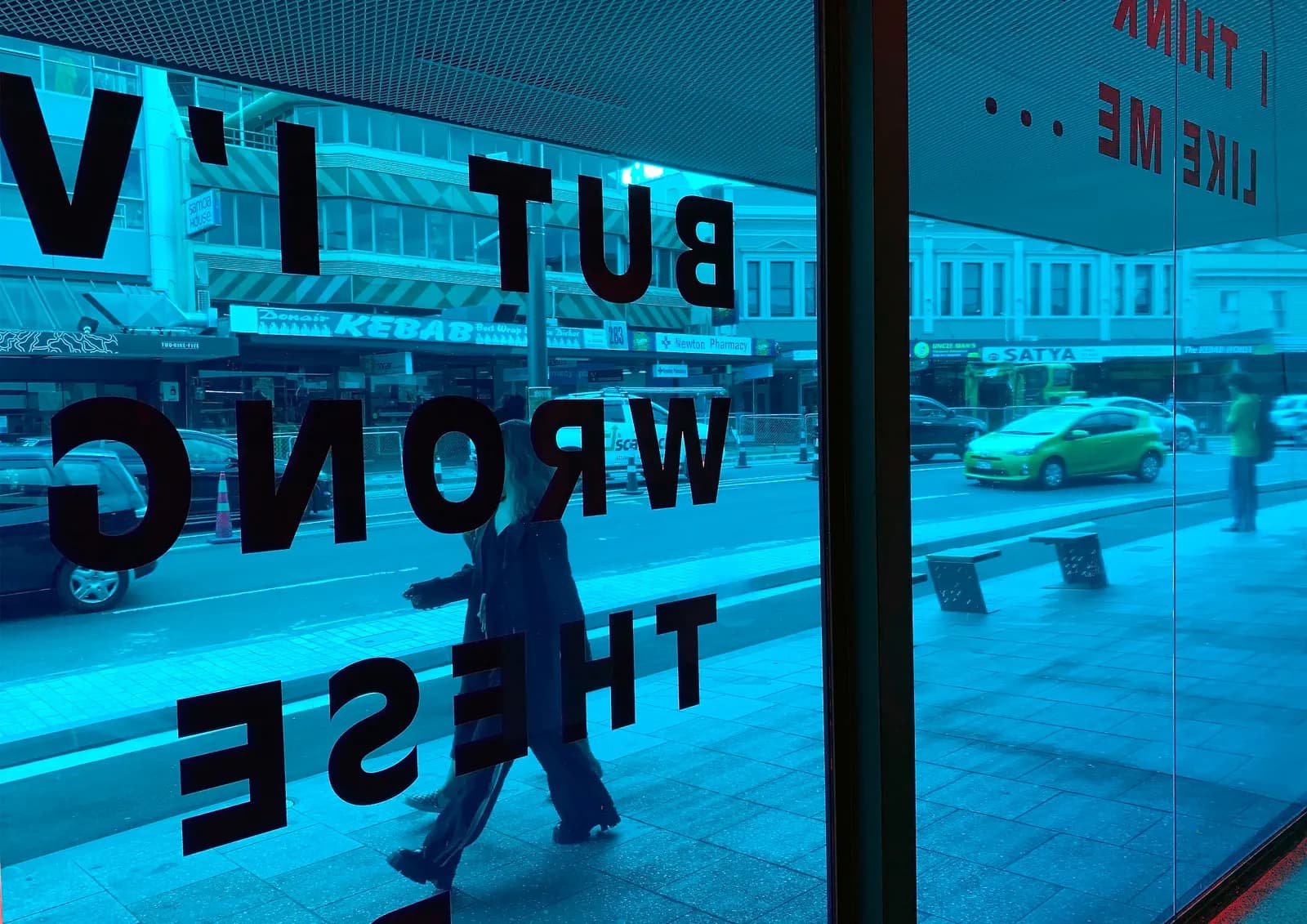
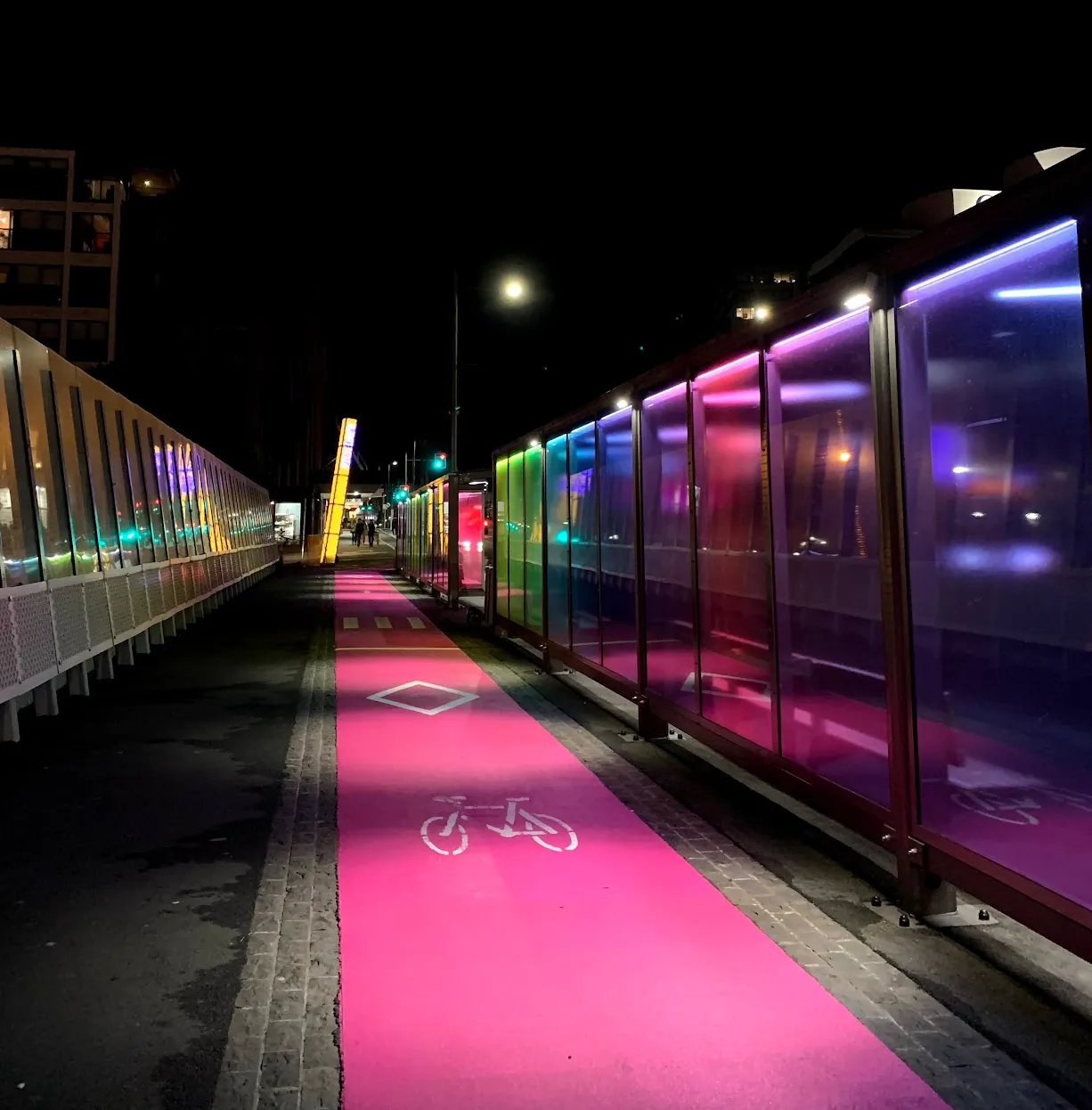
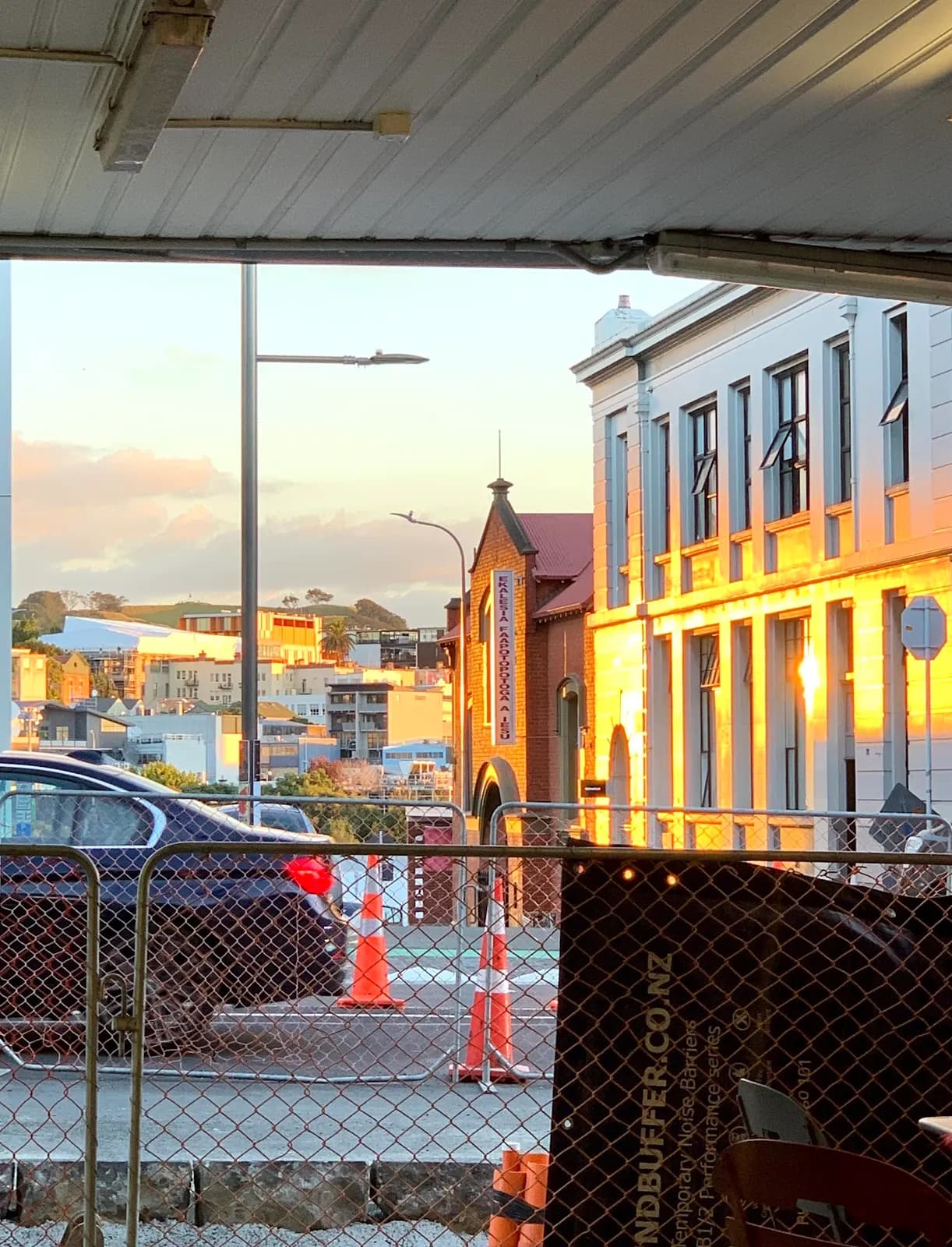
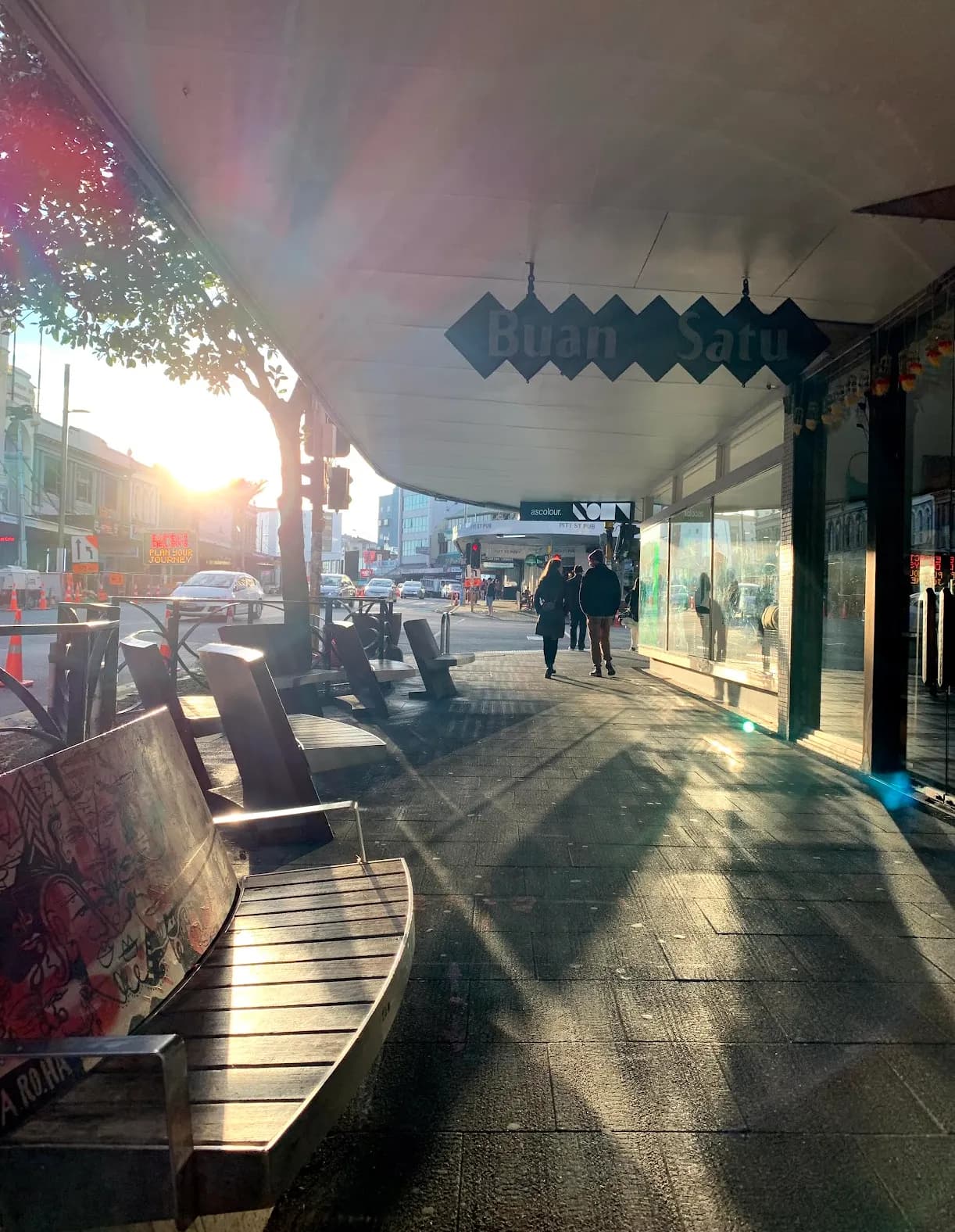
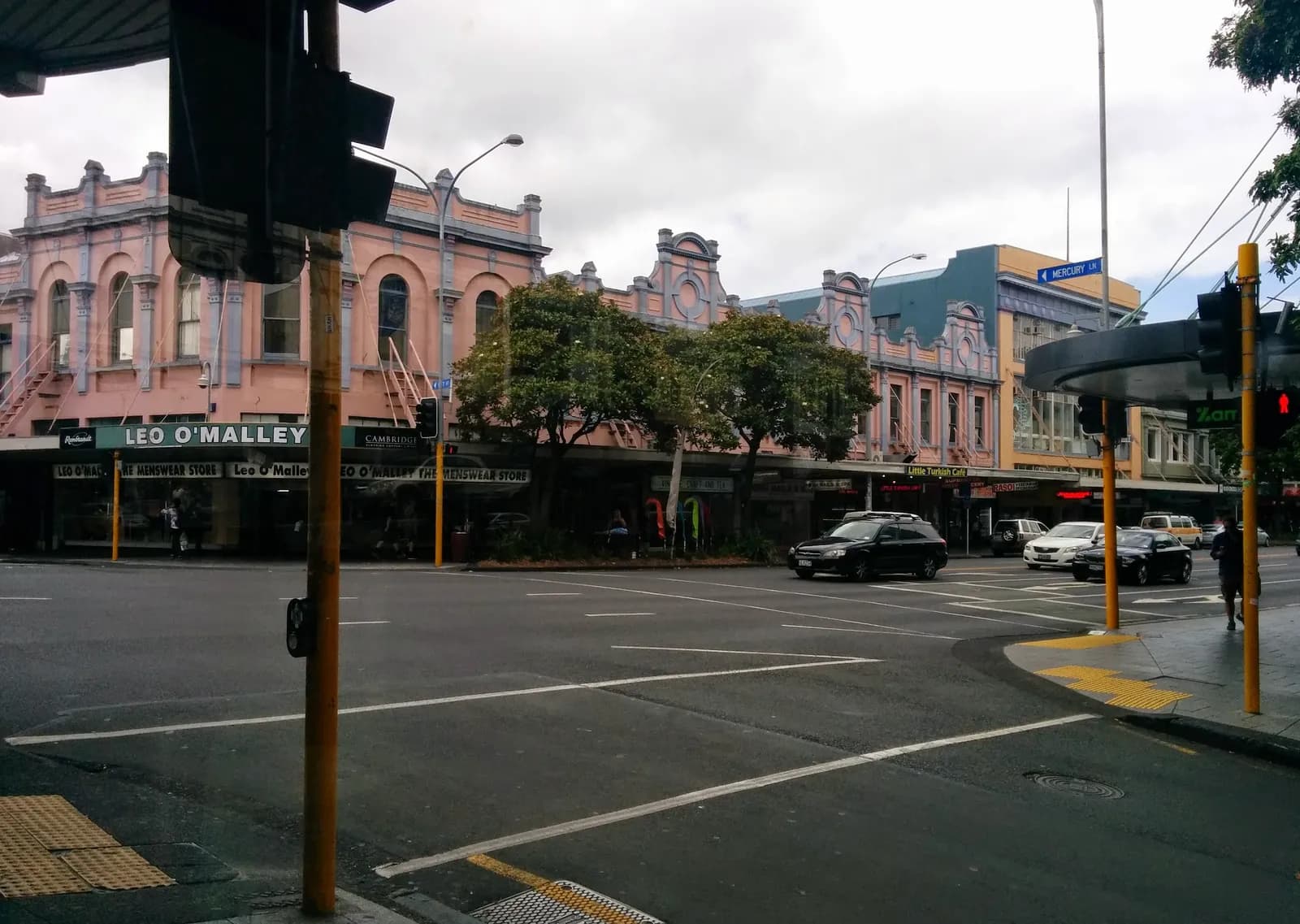
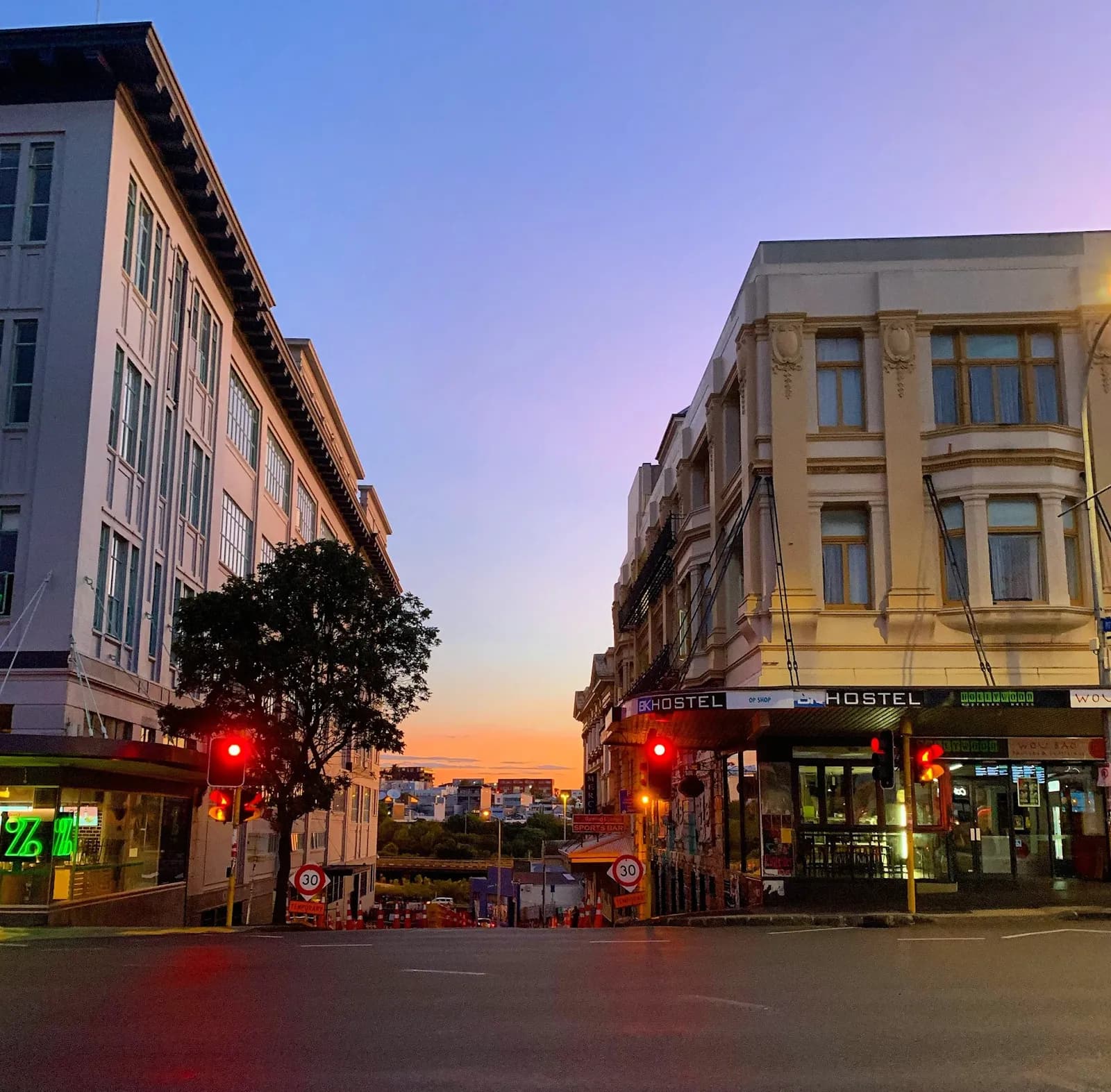
Karangahape Road runs for two kilometres above the central city, connecting the grid below to the ridge above. It has been a street of migrants, artists, sex workers, activists, queers, and night owls for longer than any of them can remember. You do not visit K Road. K Road happens to you.
THE
STREET
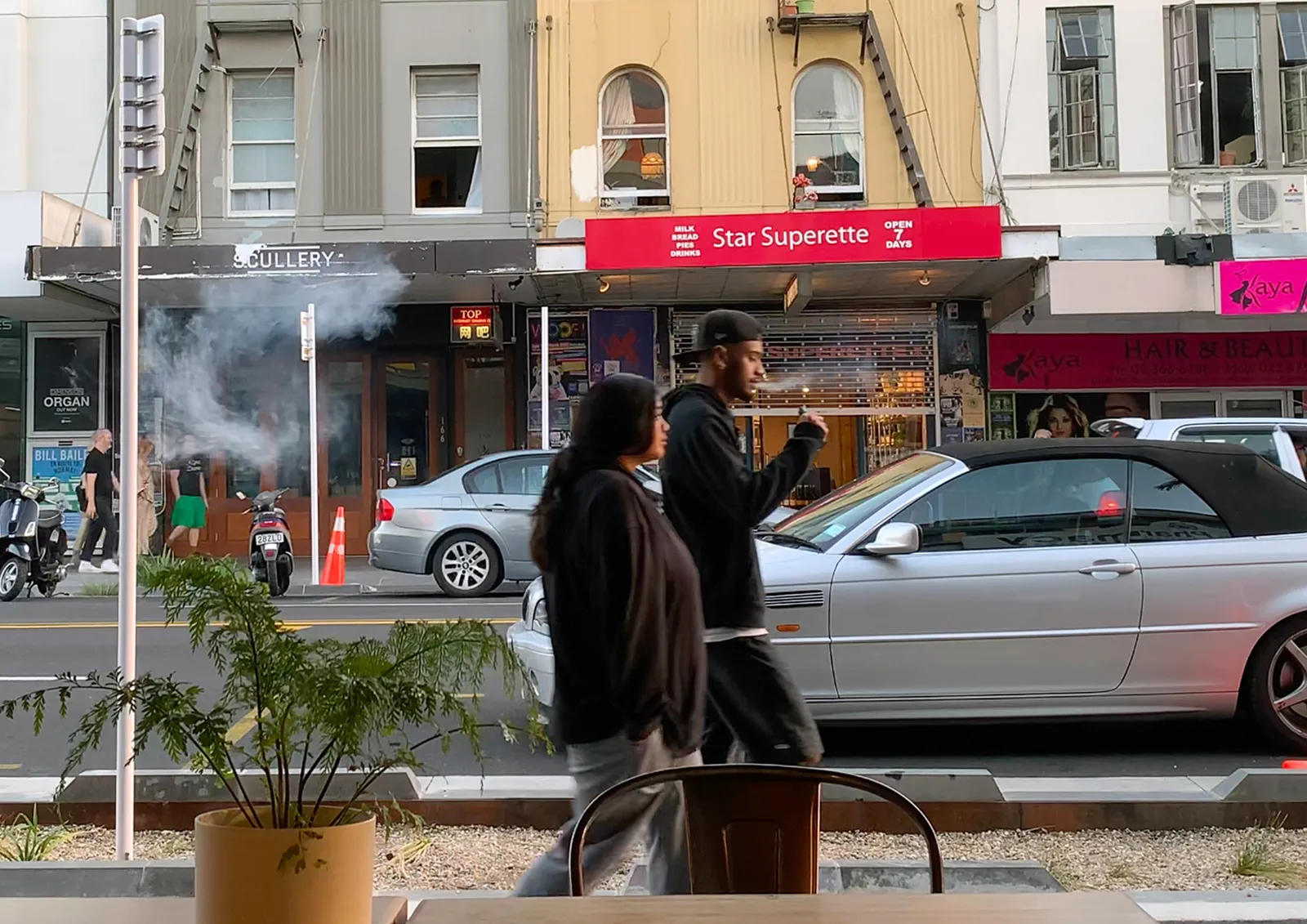
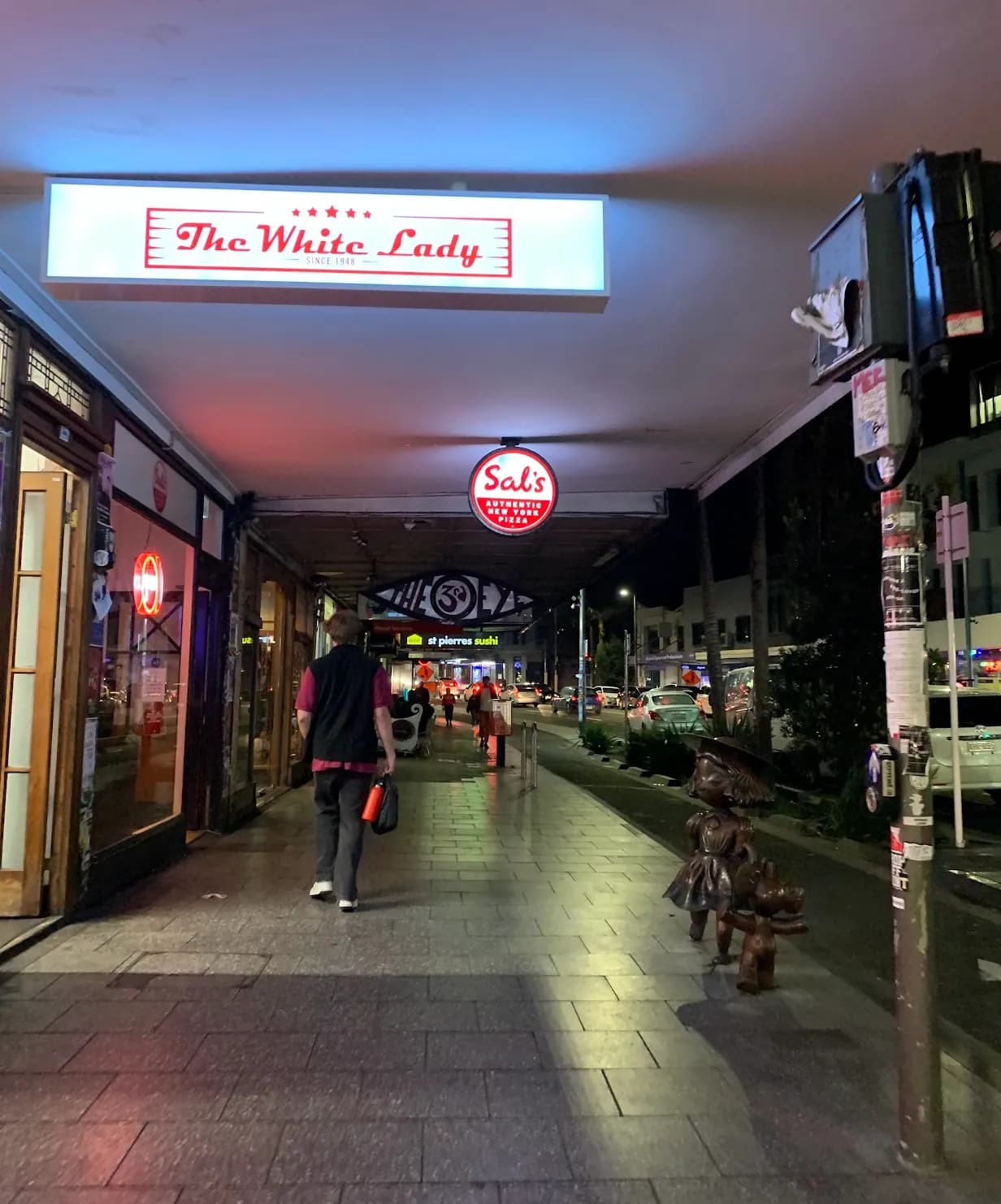
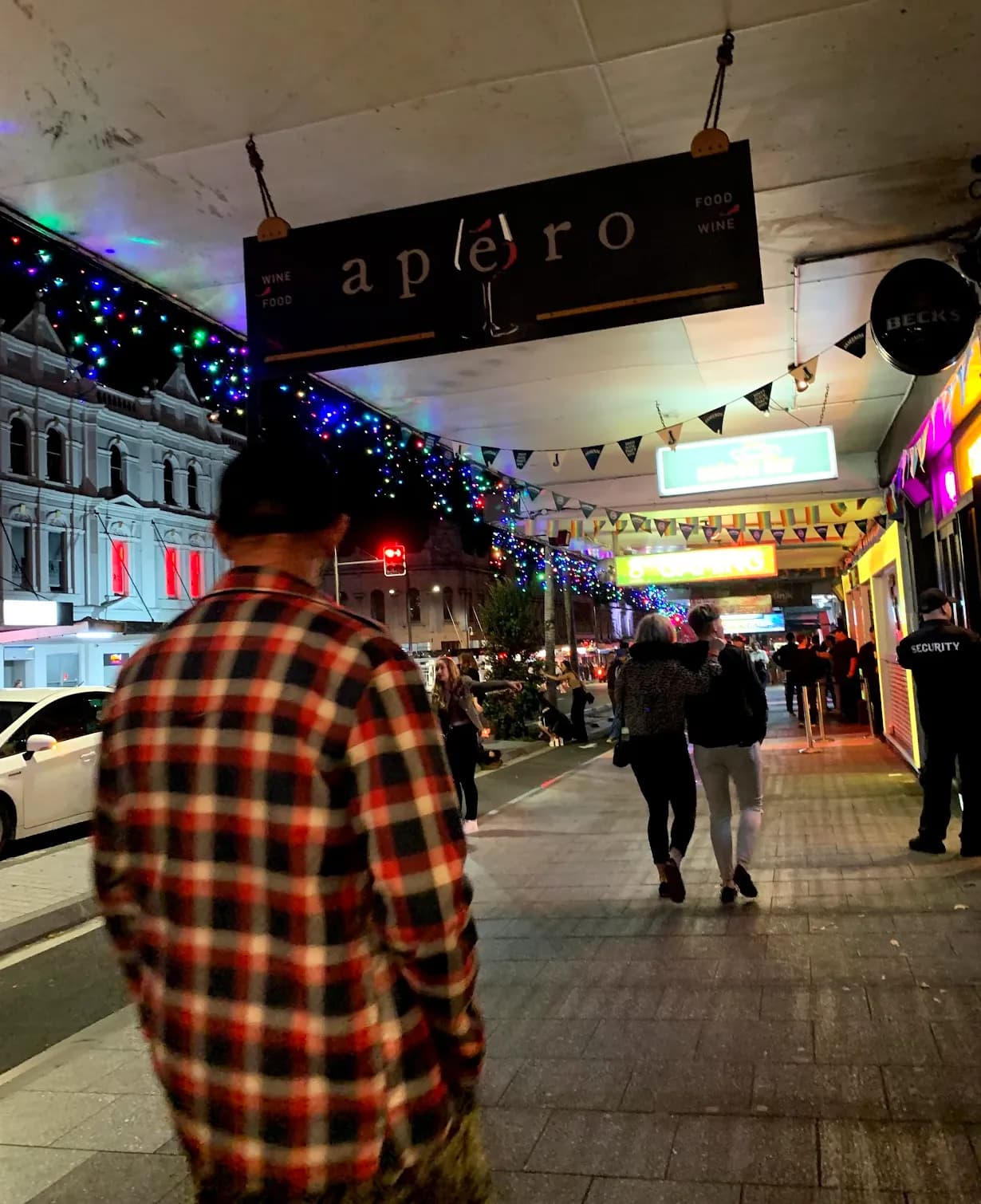
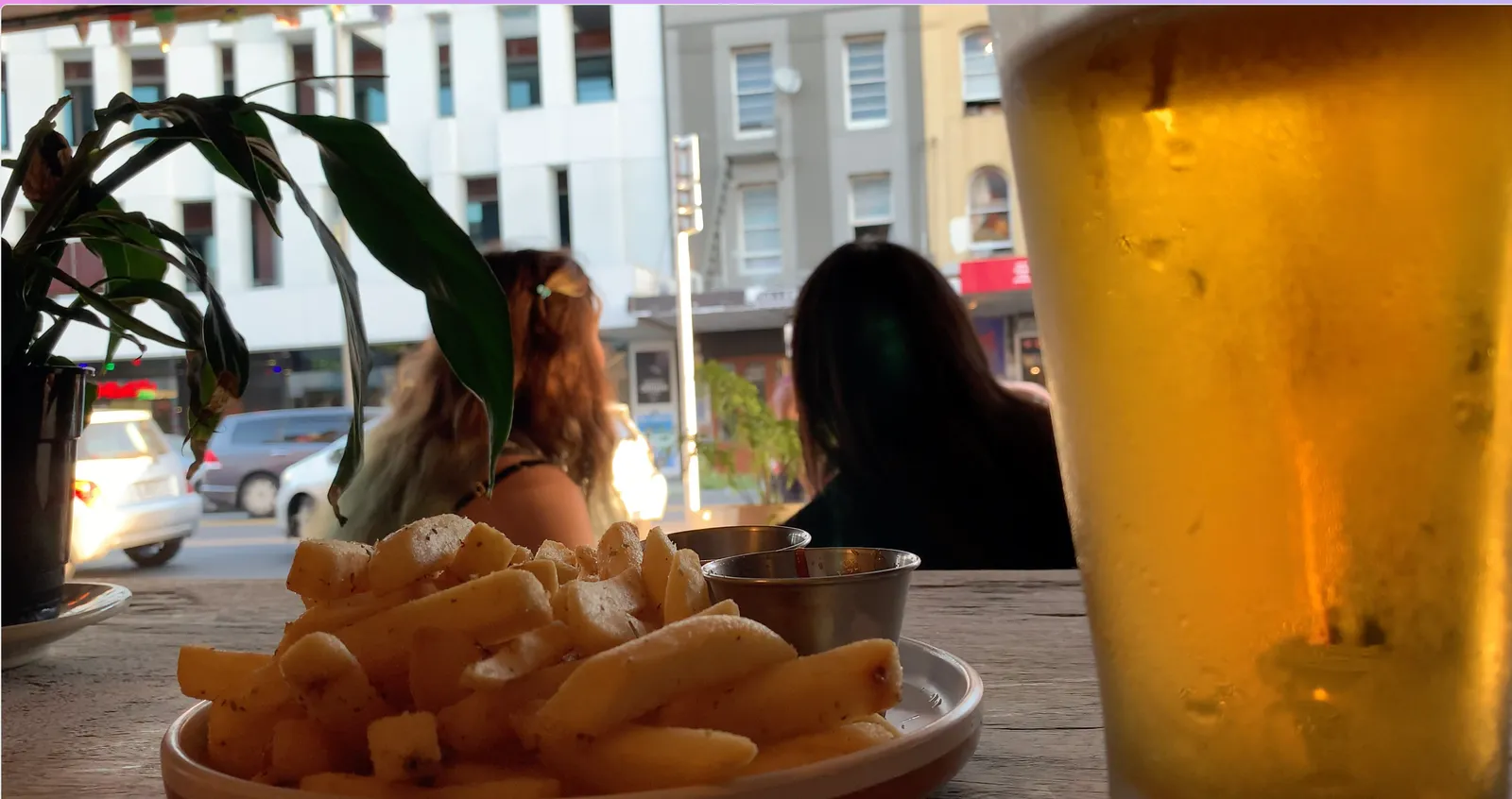
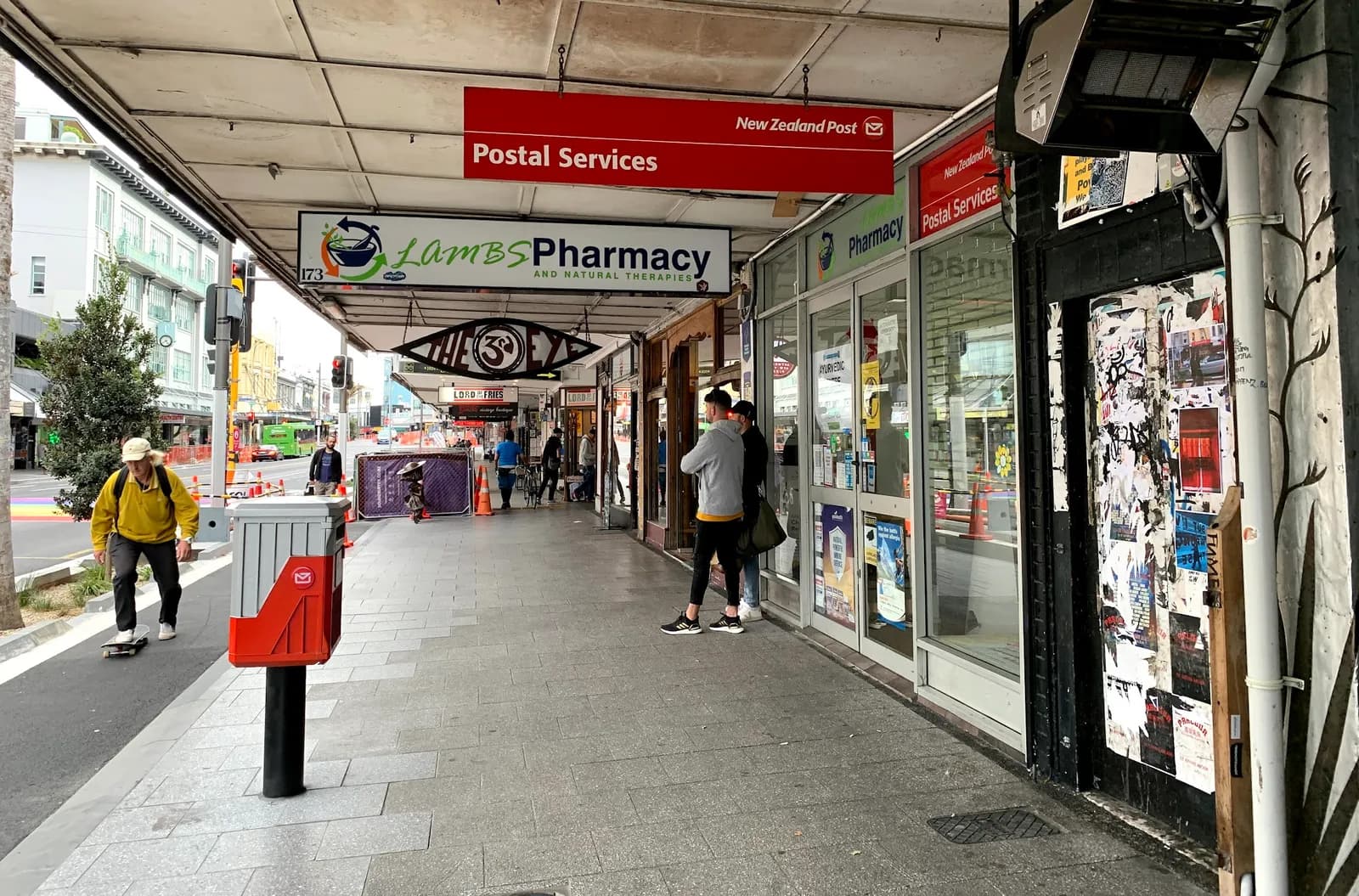
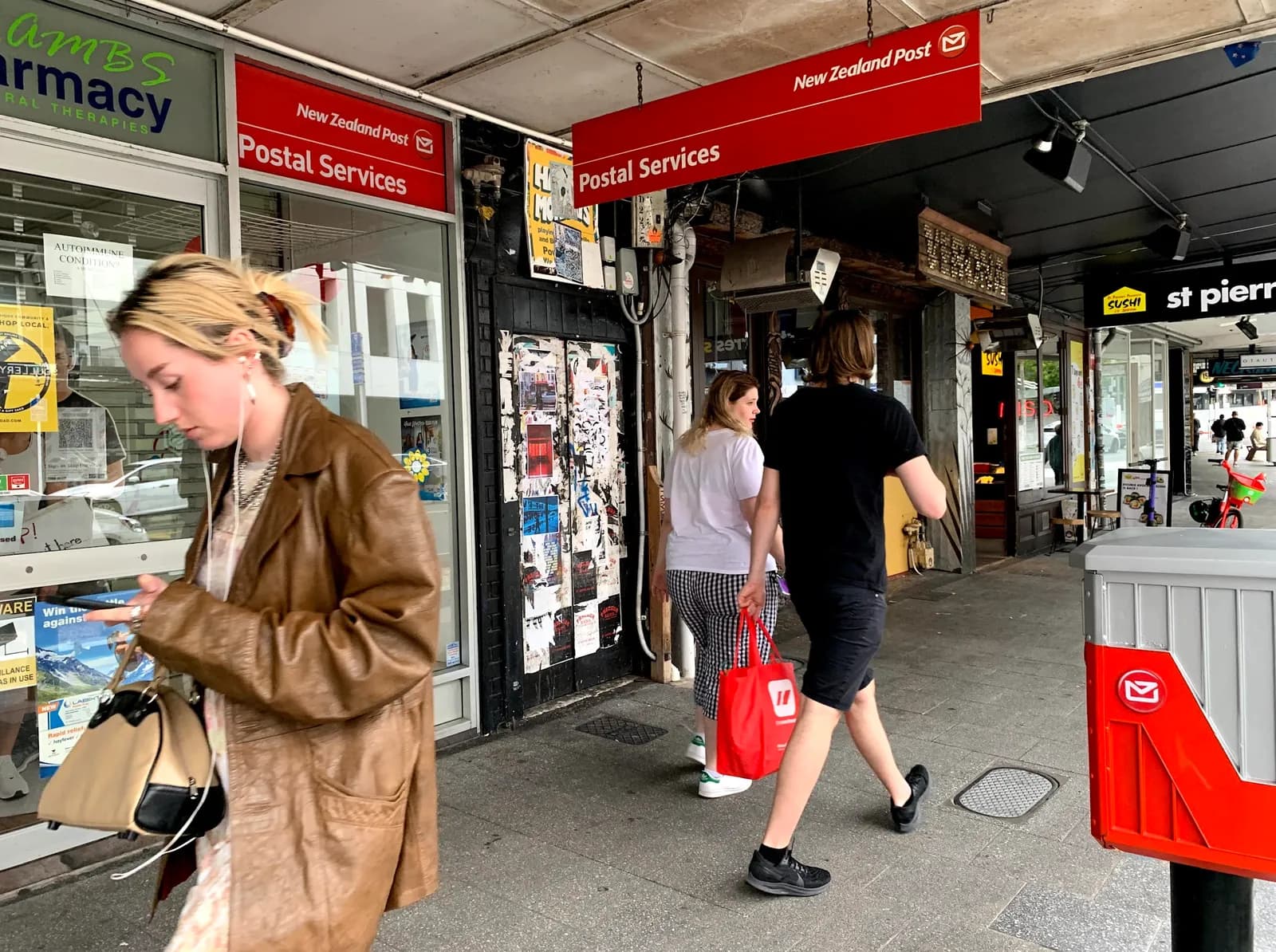
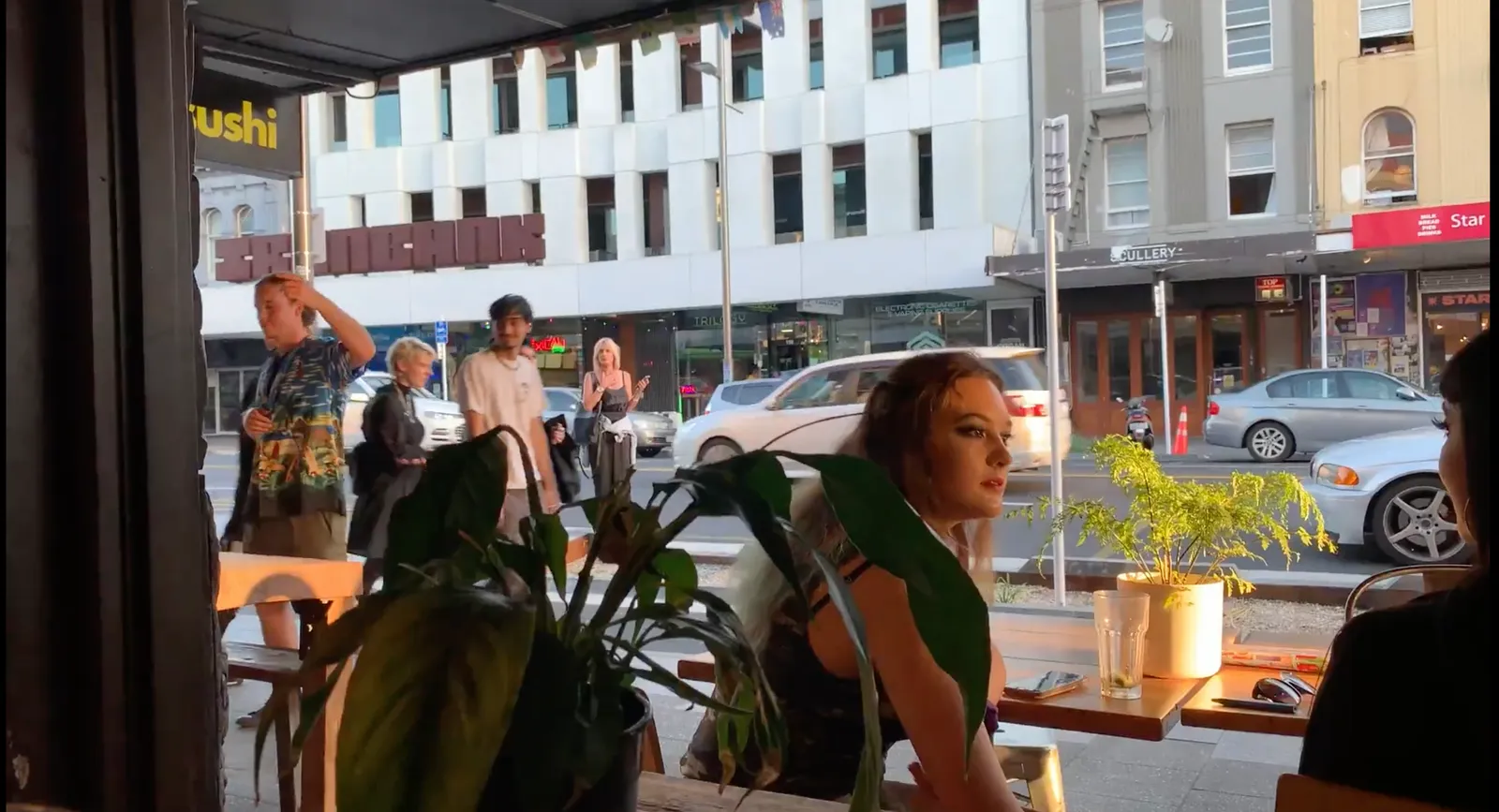
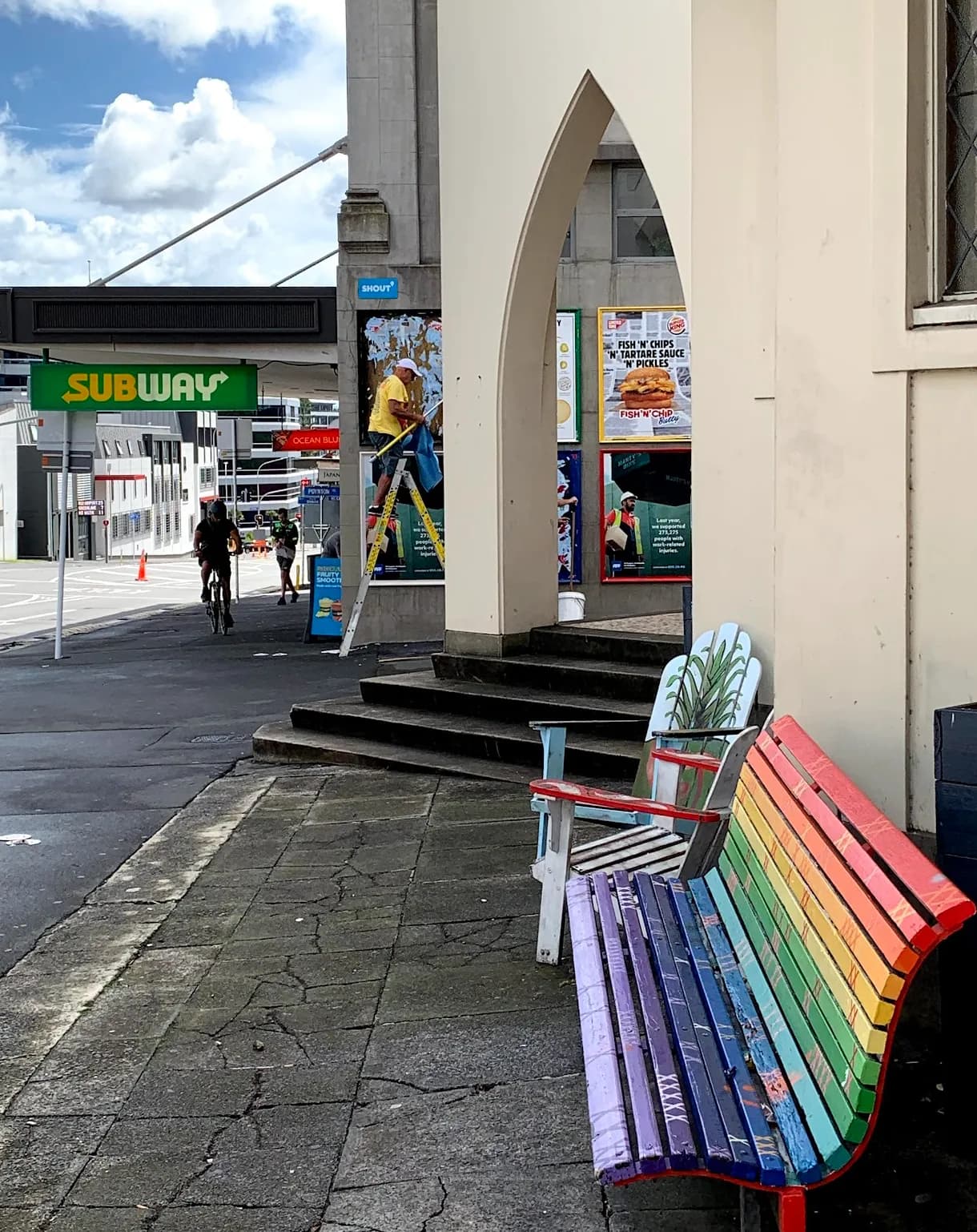
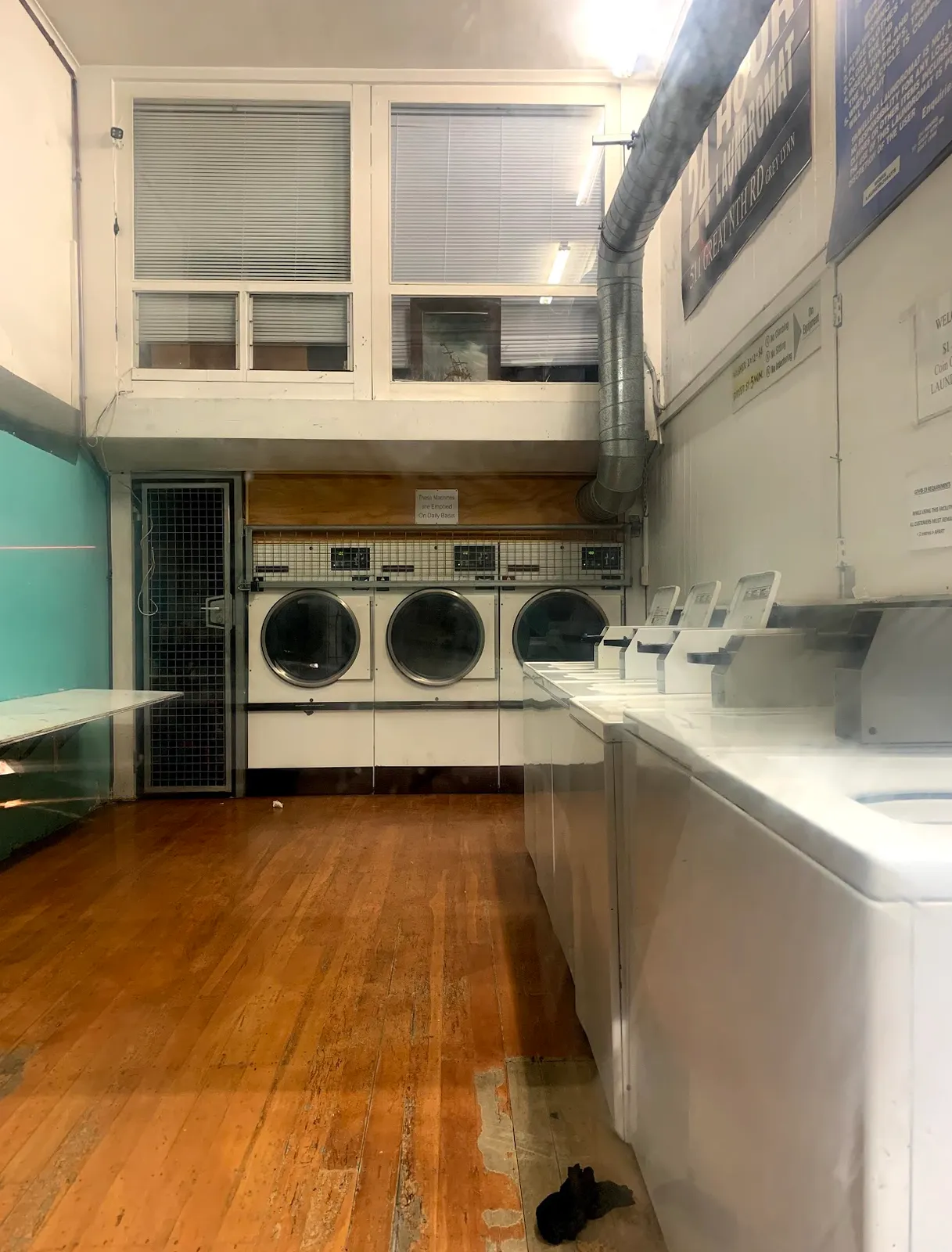
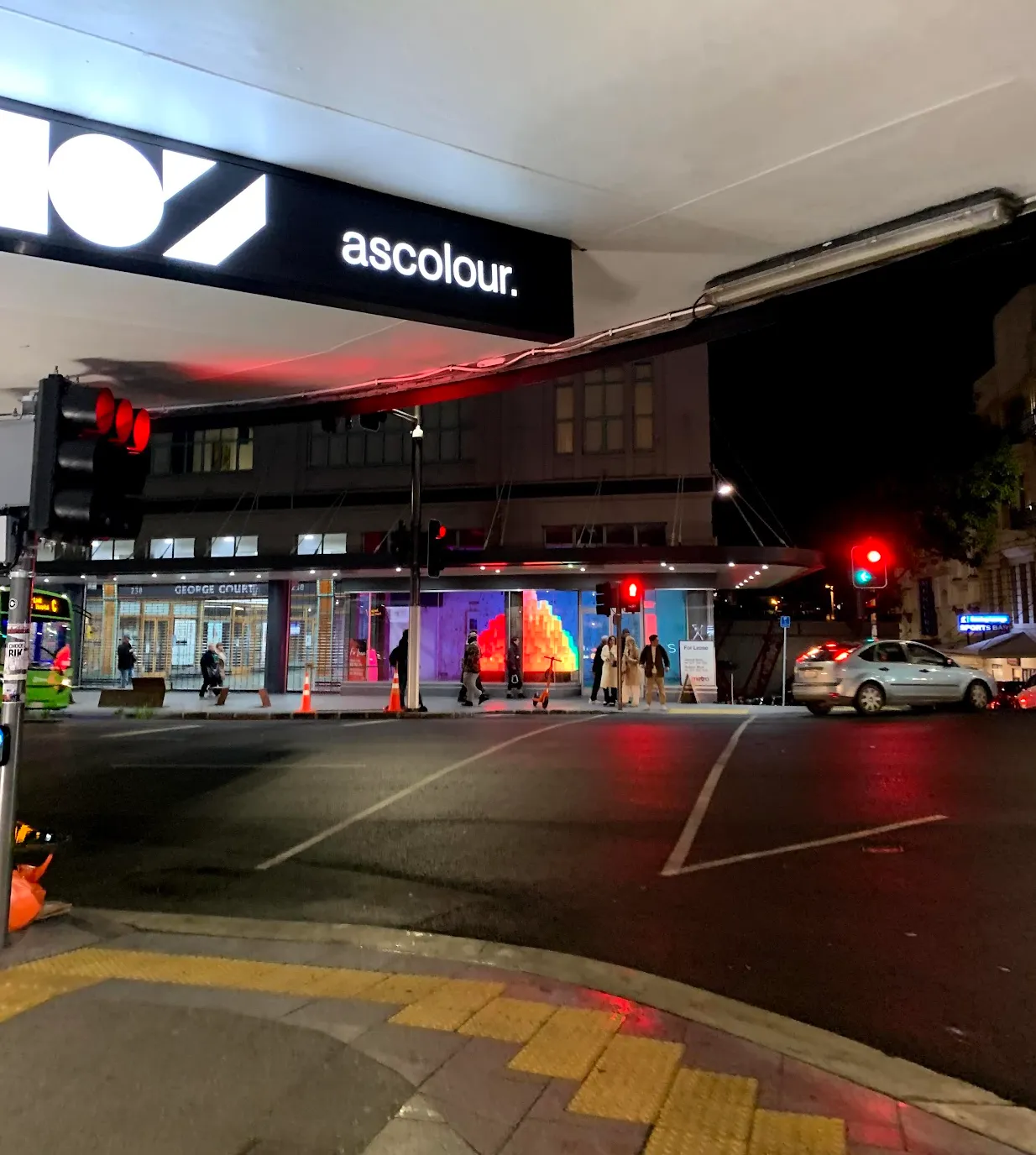
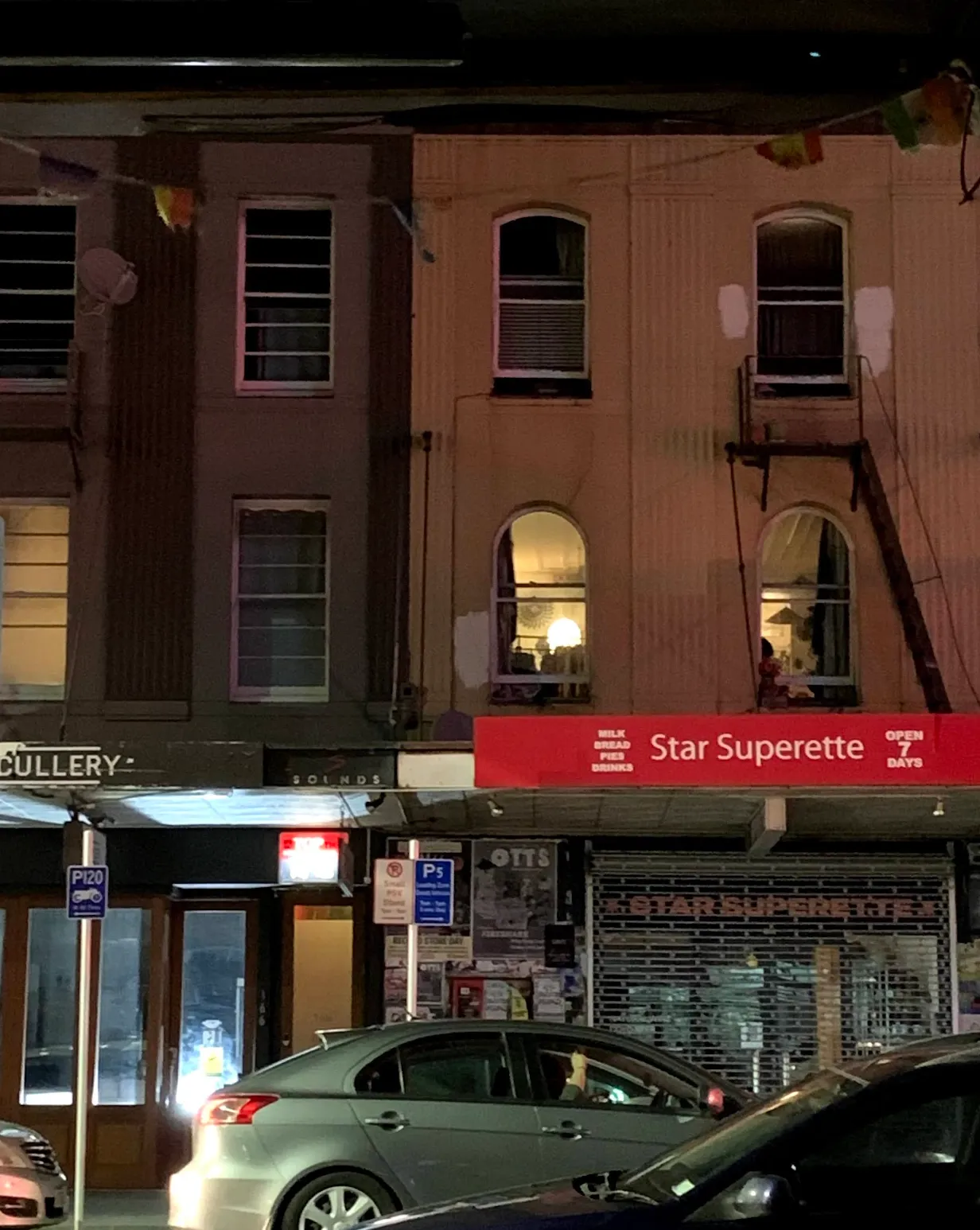
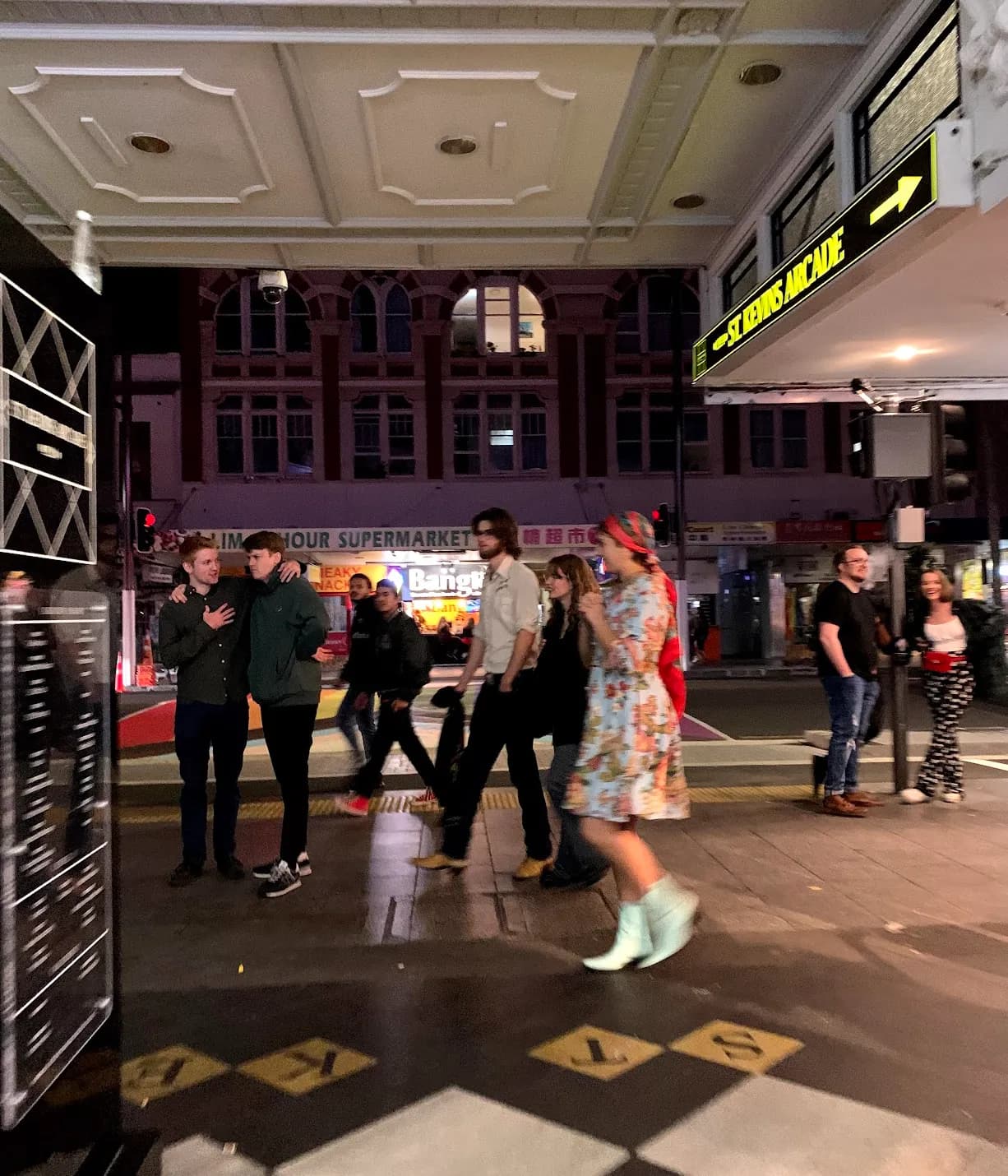
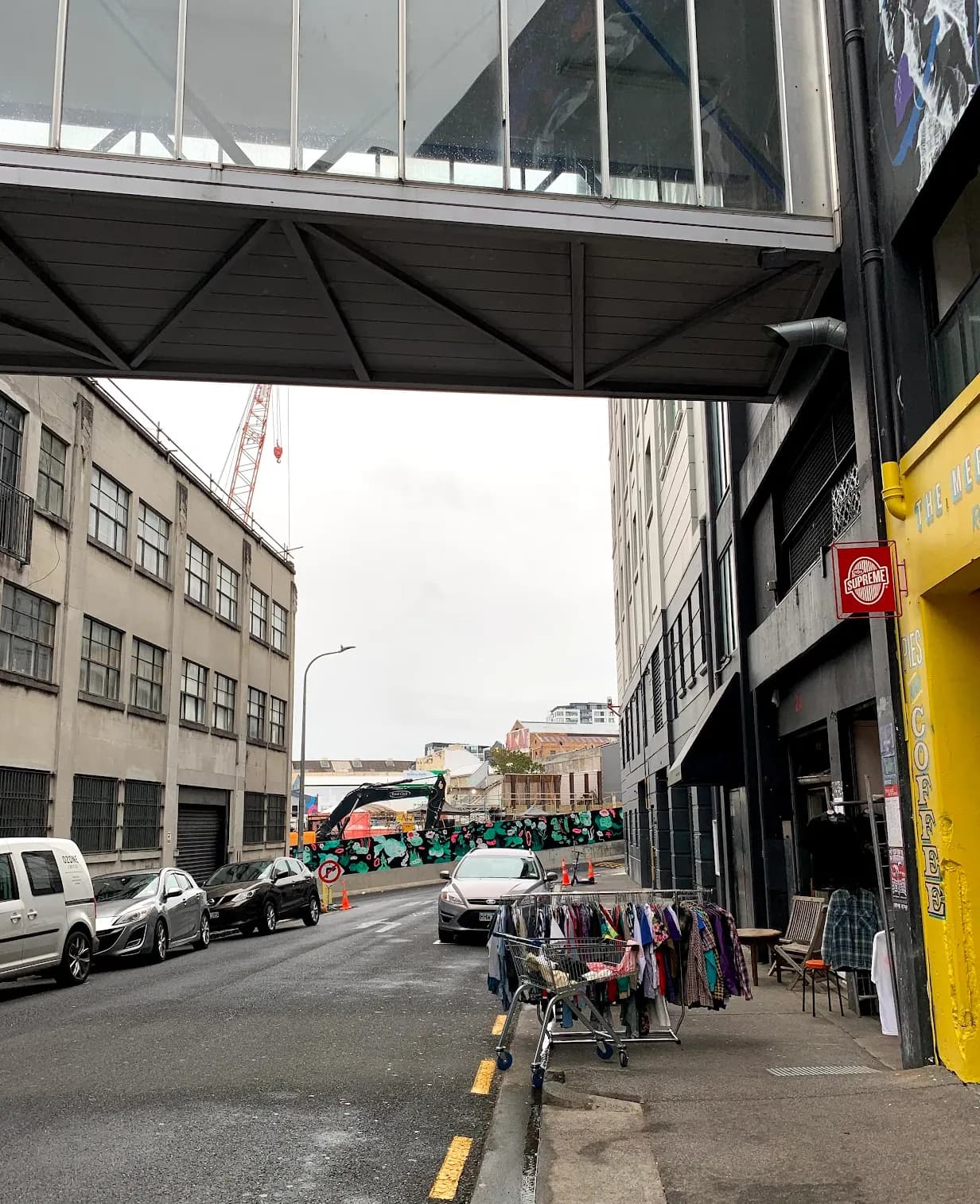
At any hour the footpath is a theatre. The same block hosts a hand-pulled noodle shop and a leather bar. The smoke you smell is someone else's story.
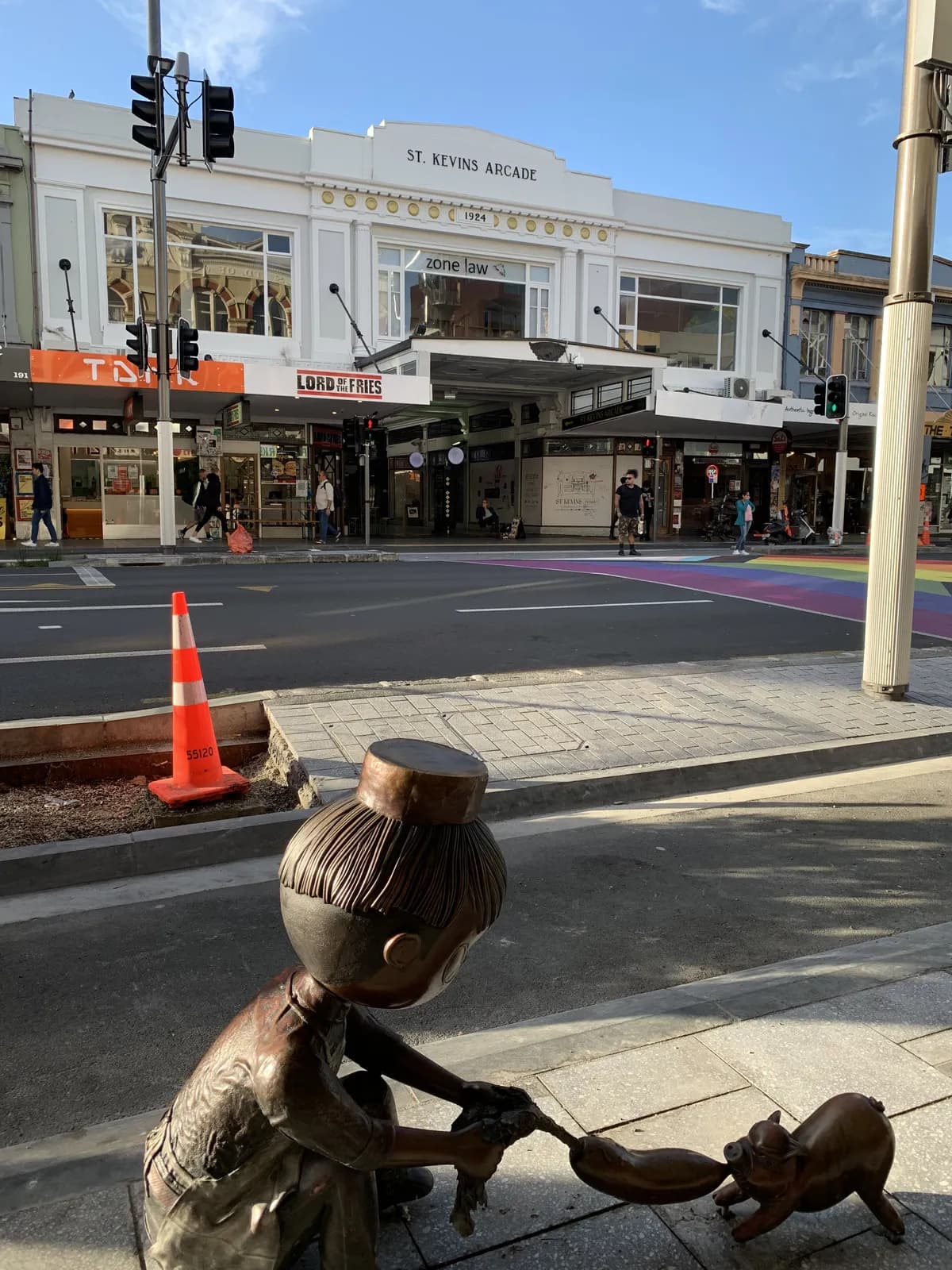
THE ARCADE
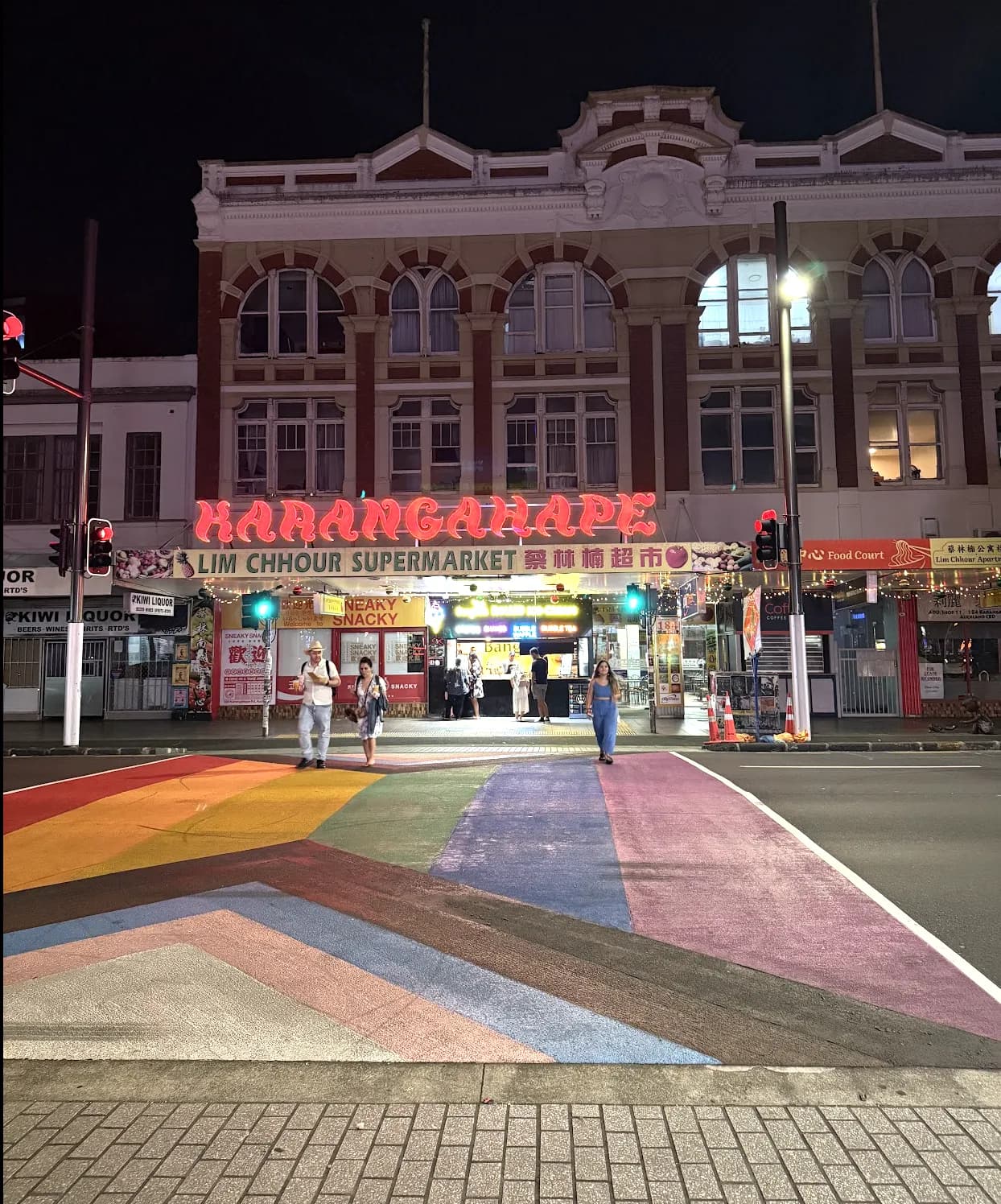
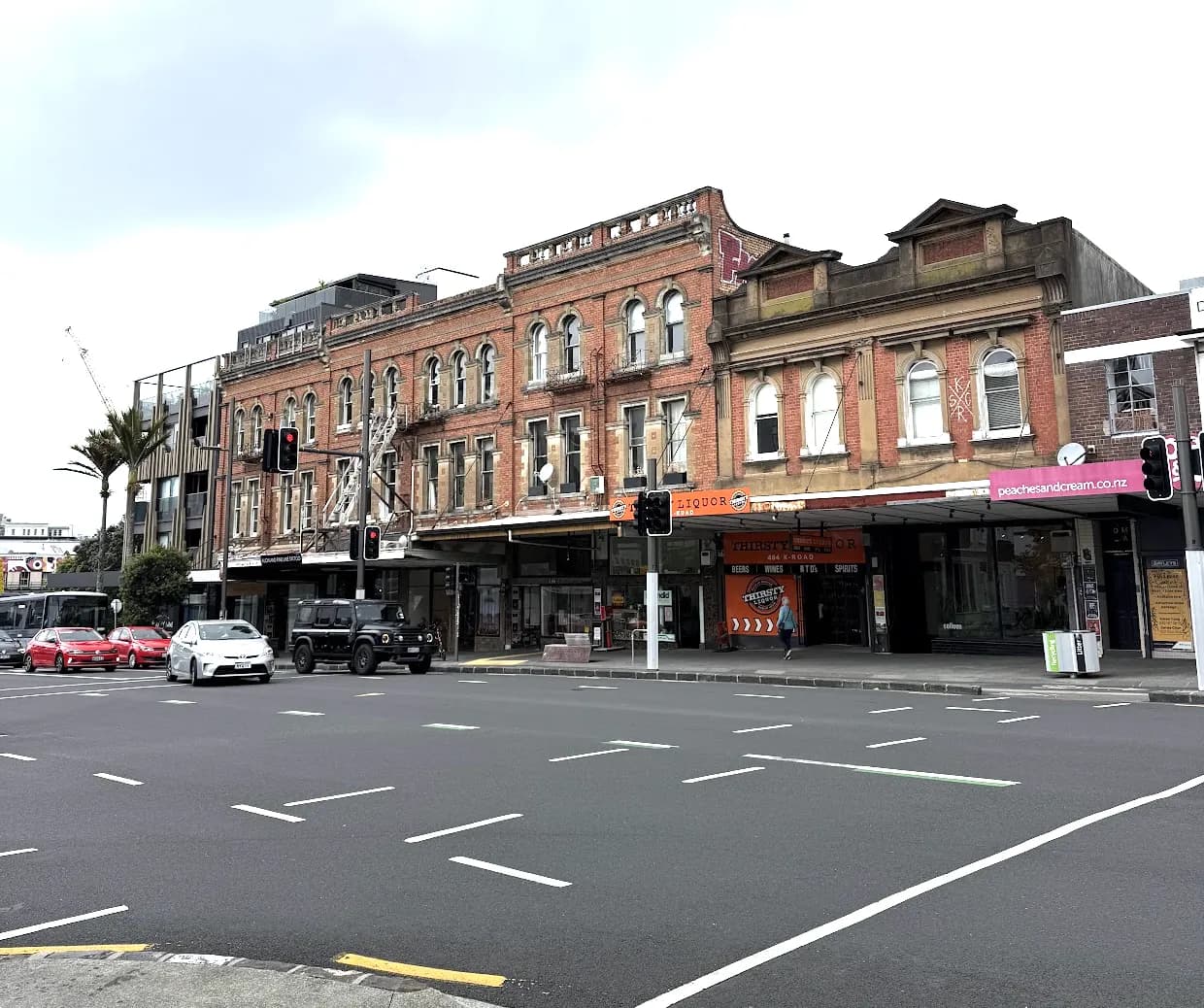
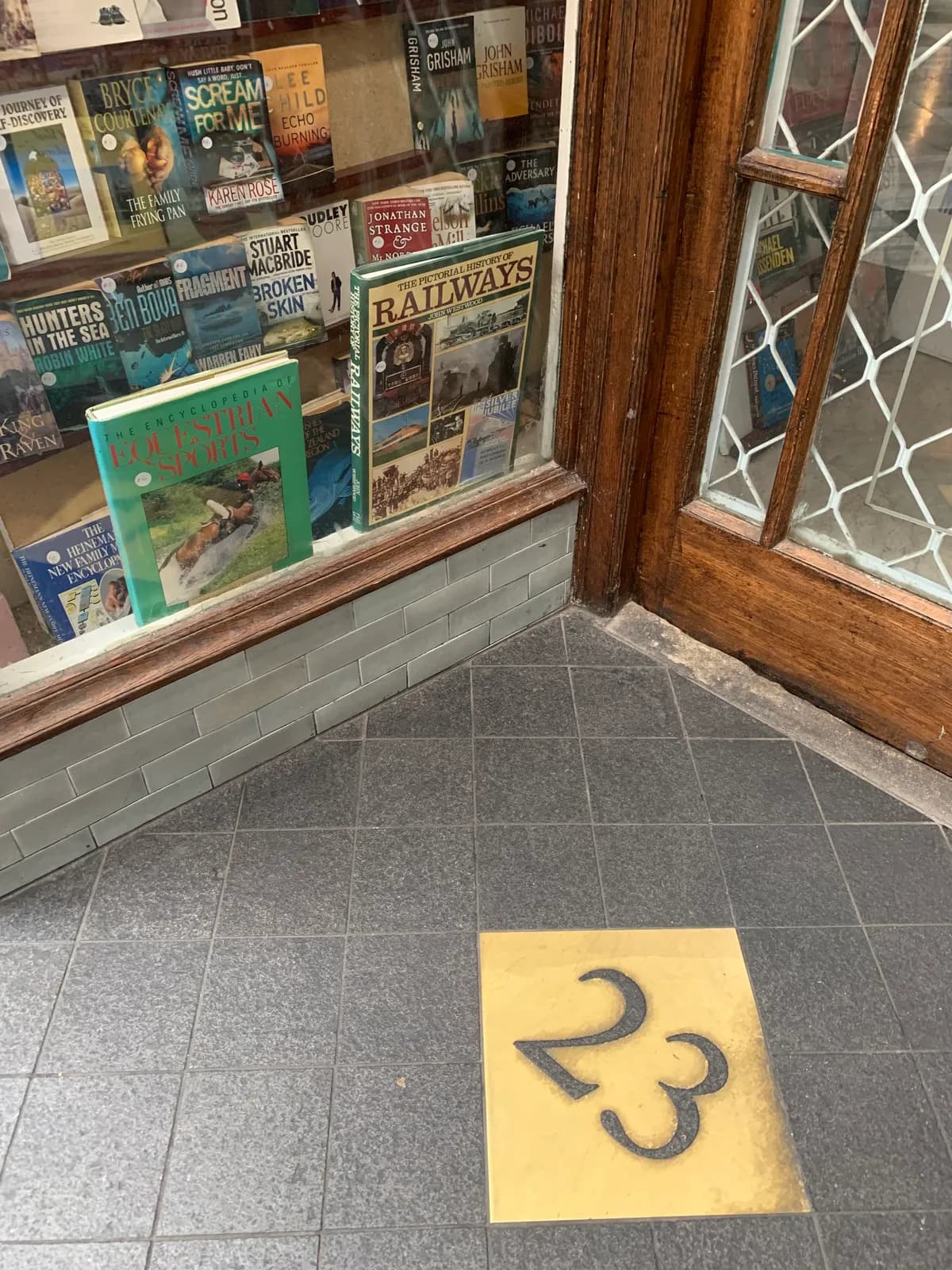
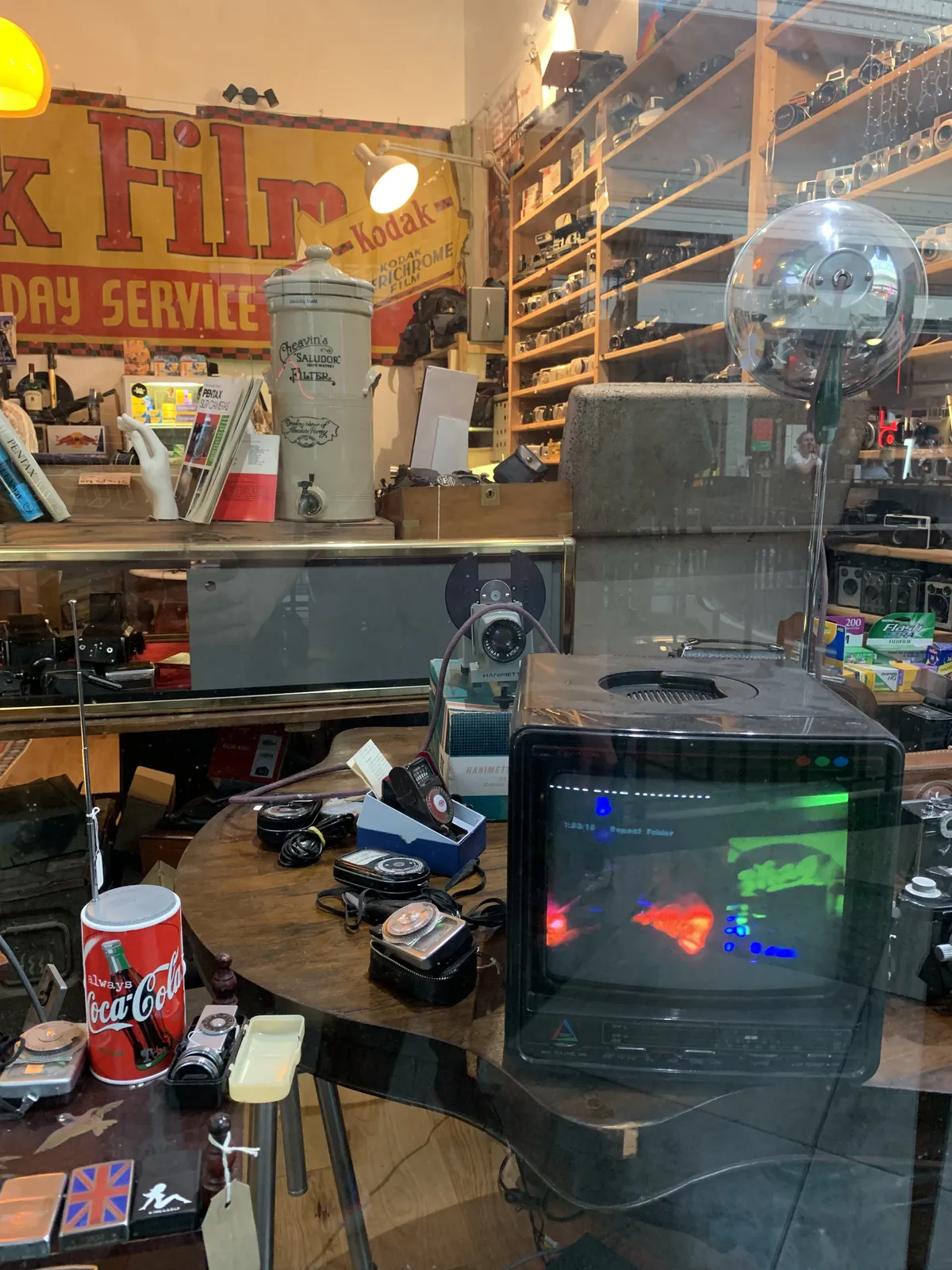
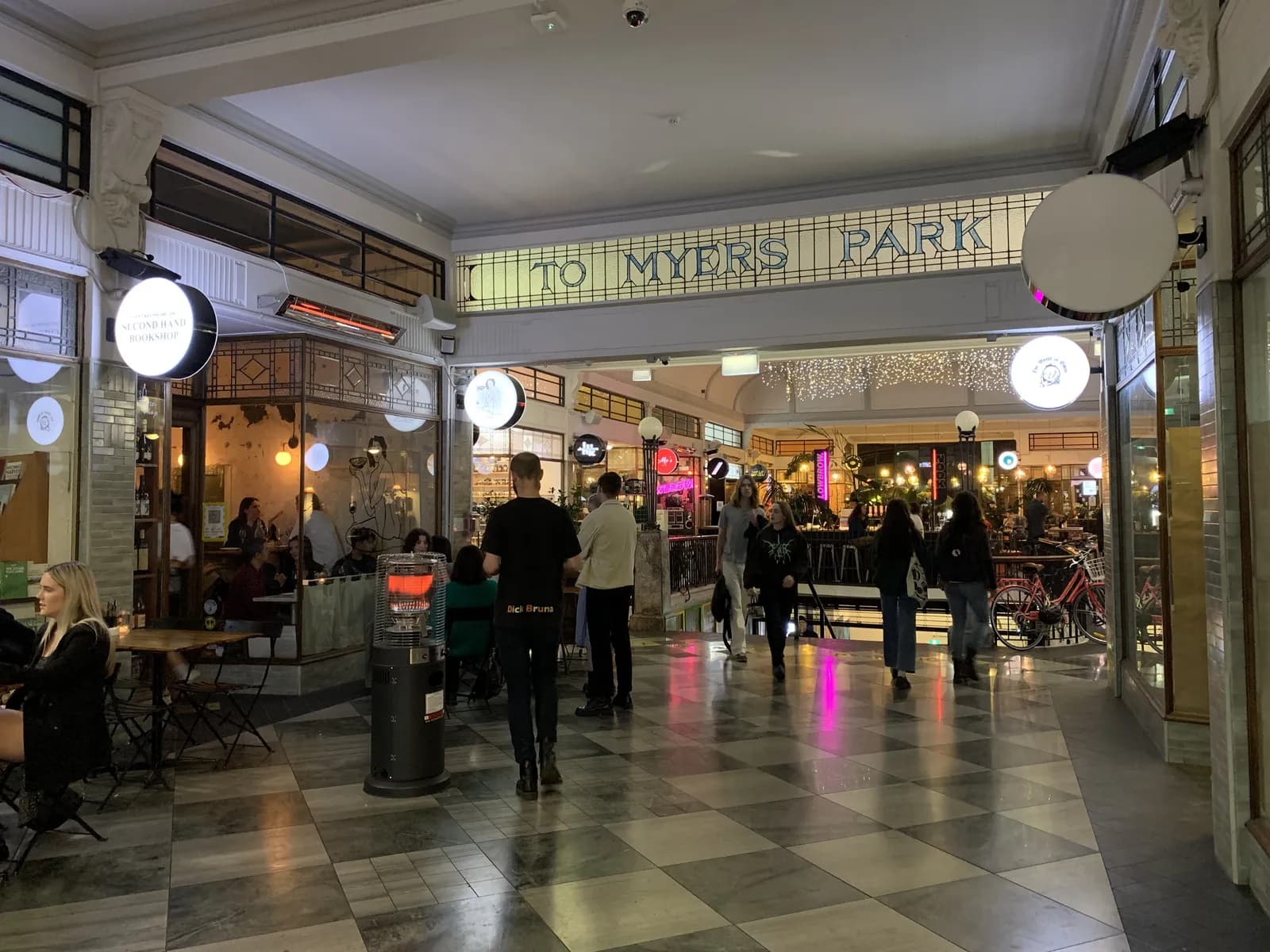
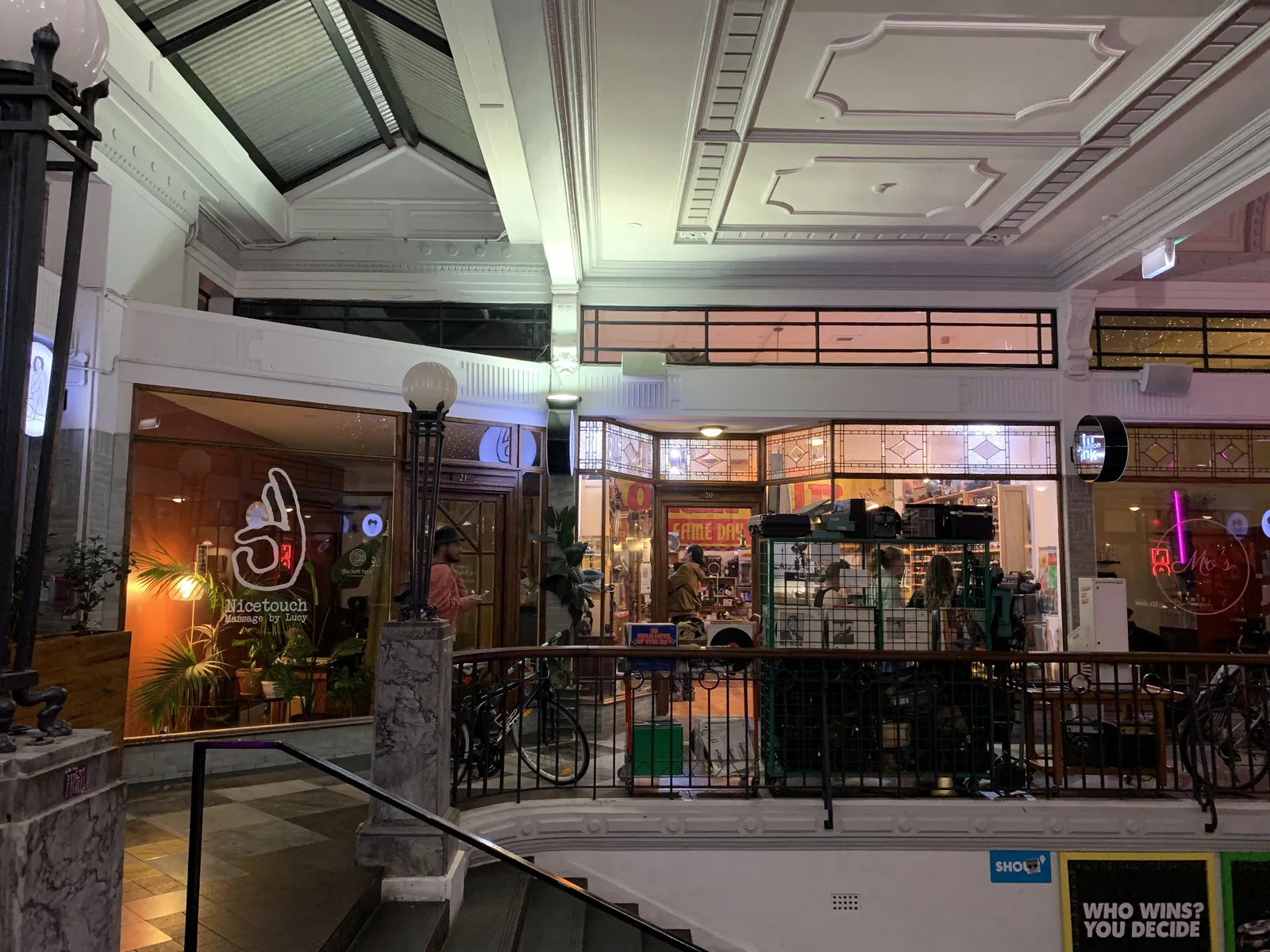
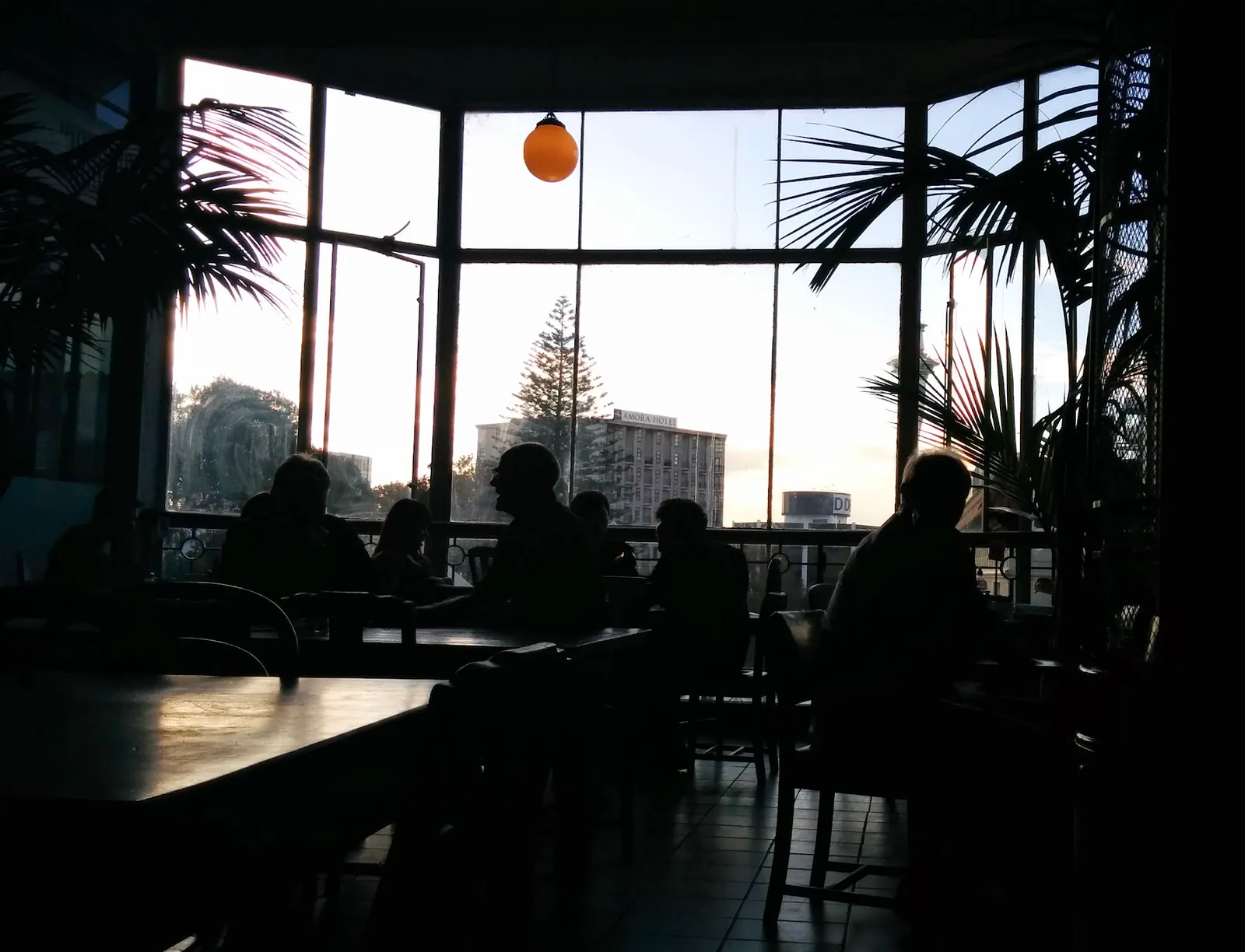
Built in 1924, this historic space has evolved into a vibrant community crossroads. Come for the coffee; stay because the light is doing something you can't explain.
Where the
city exhales
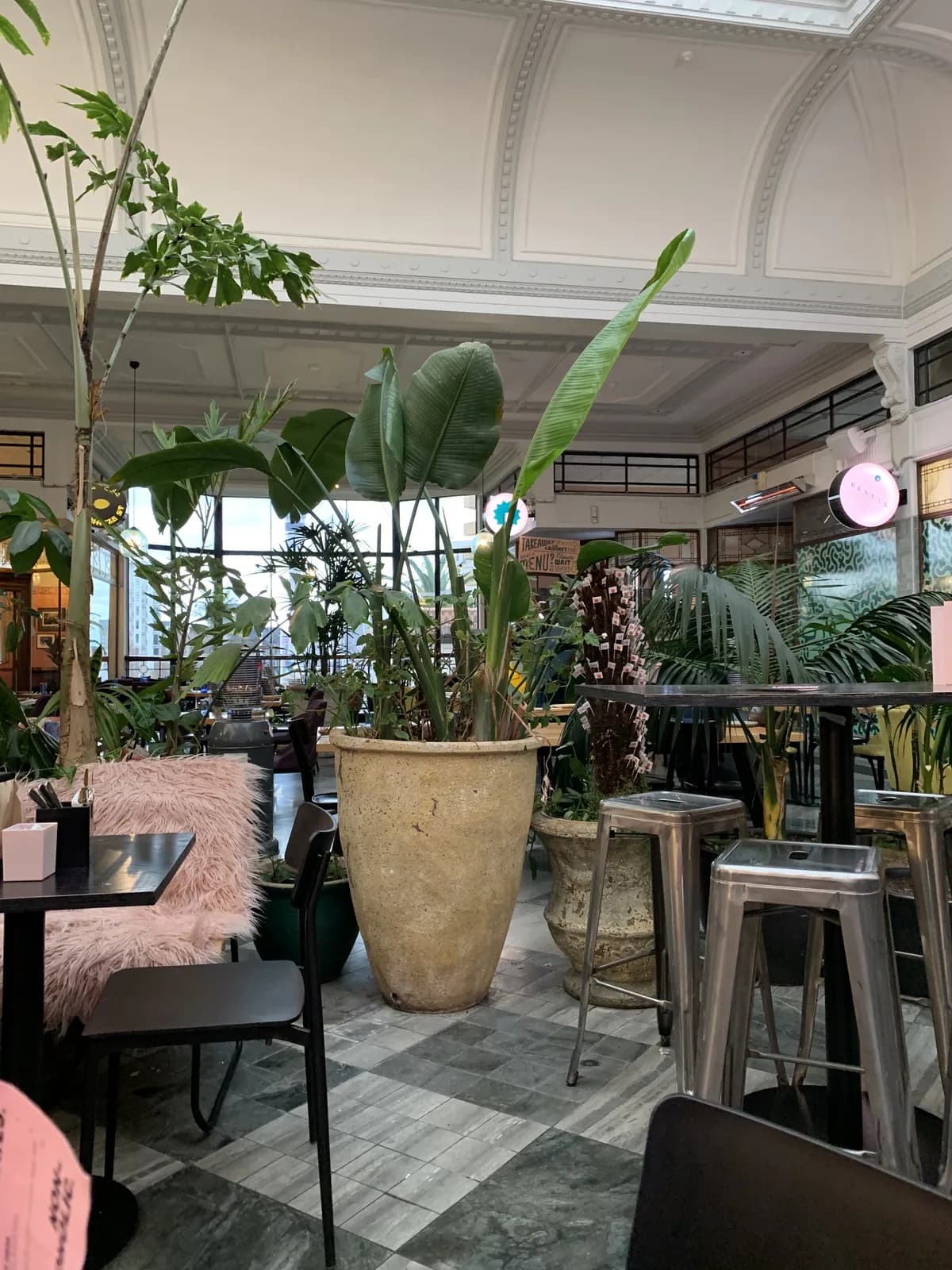
The arcade connects K Road to Myers Park below. On a weekday morning, a barista plays Sade and four different languages fill the atrium. The bronze girl at the entrance has been here since 1998 and has seen everything.
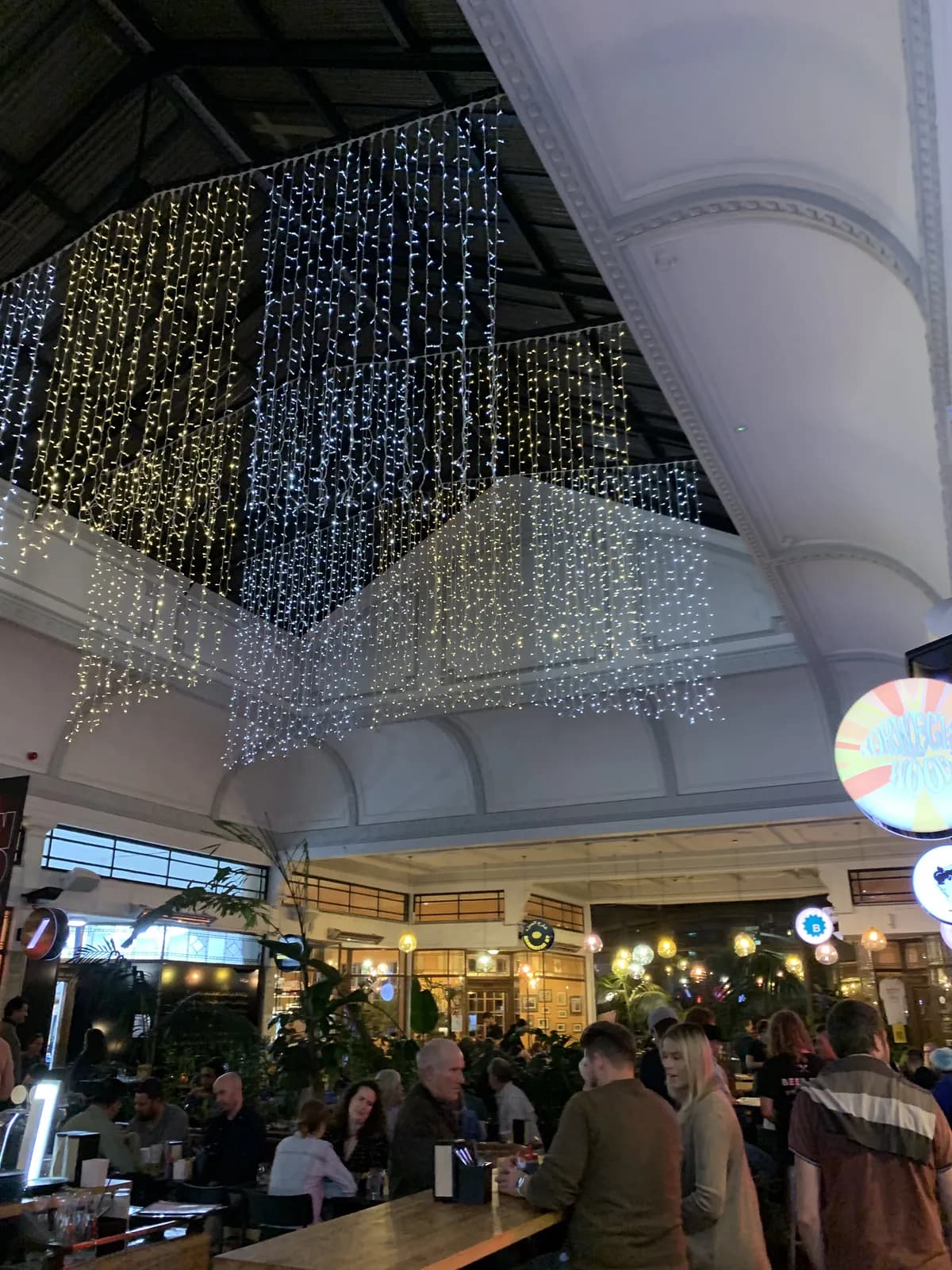
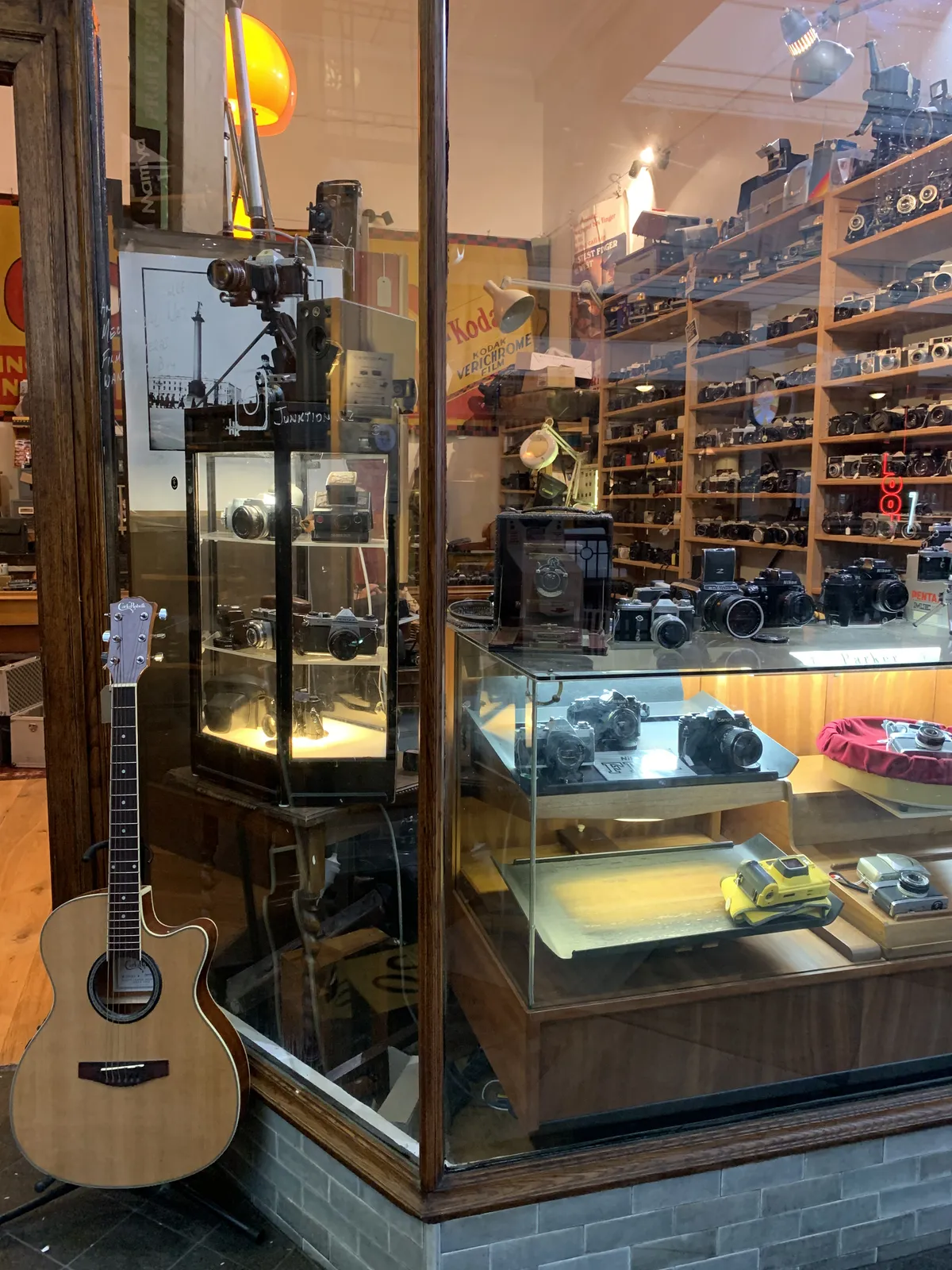
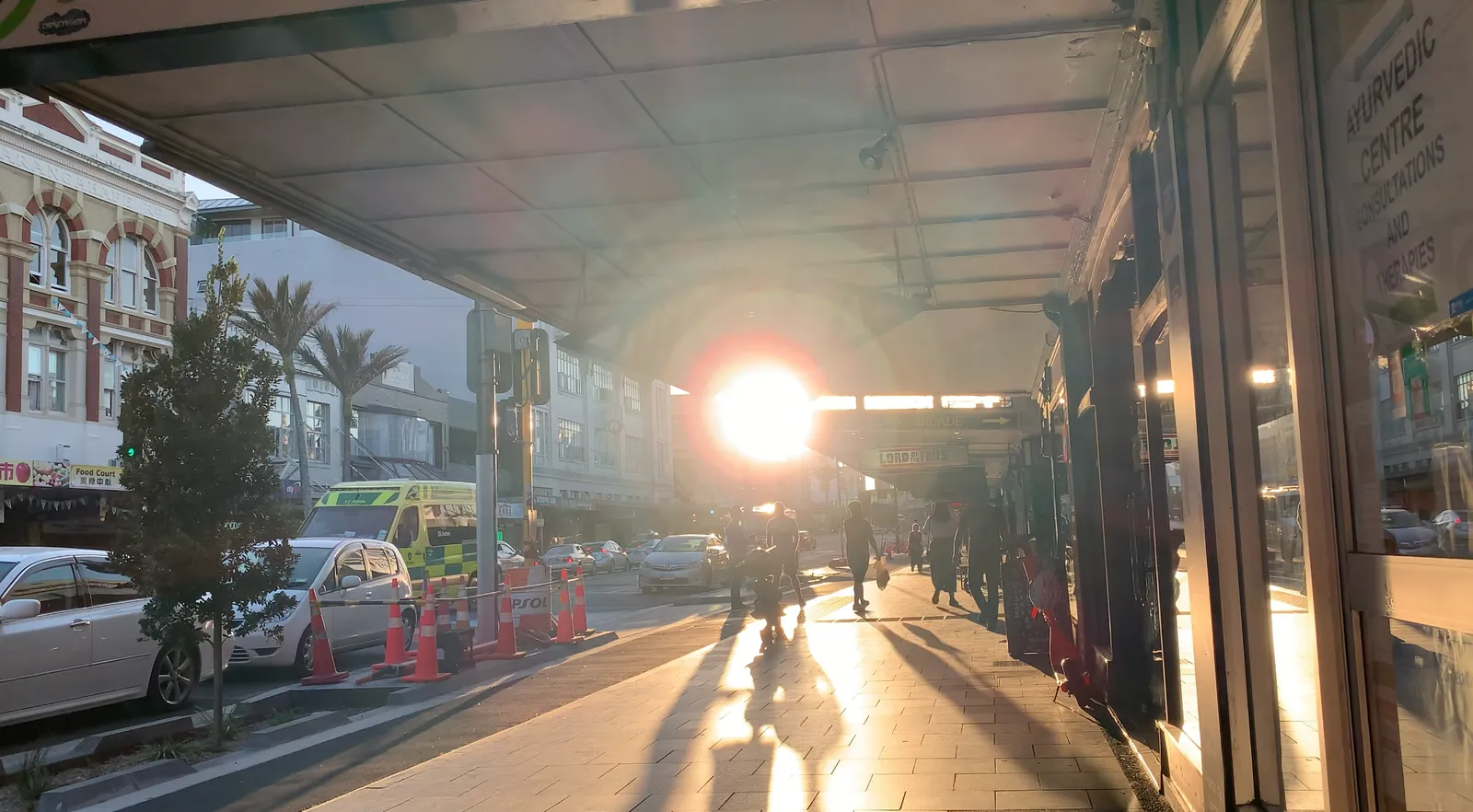
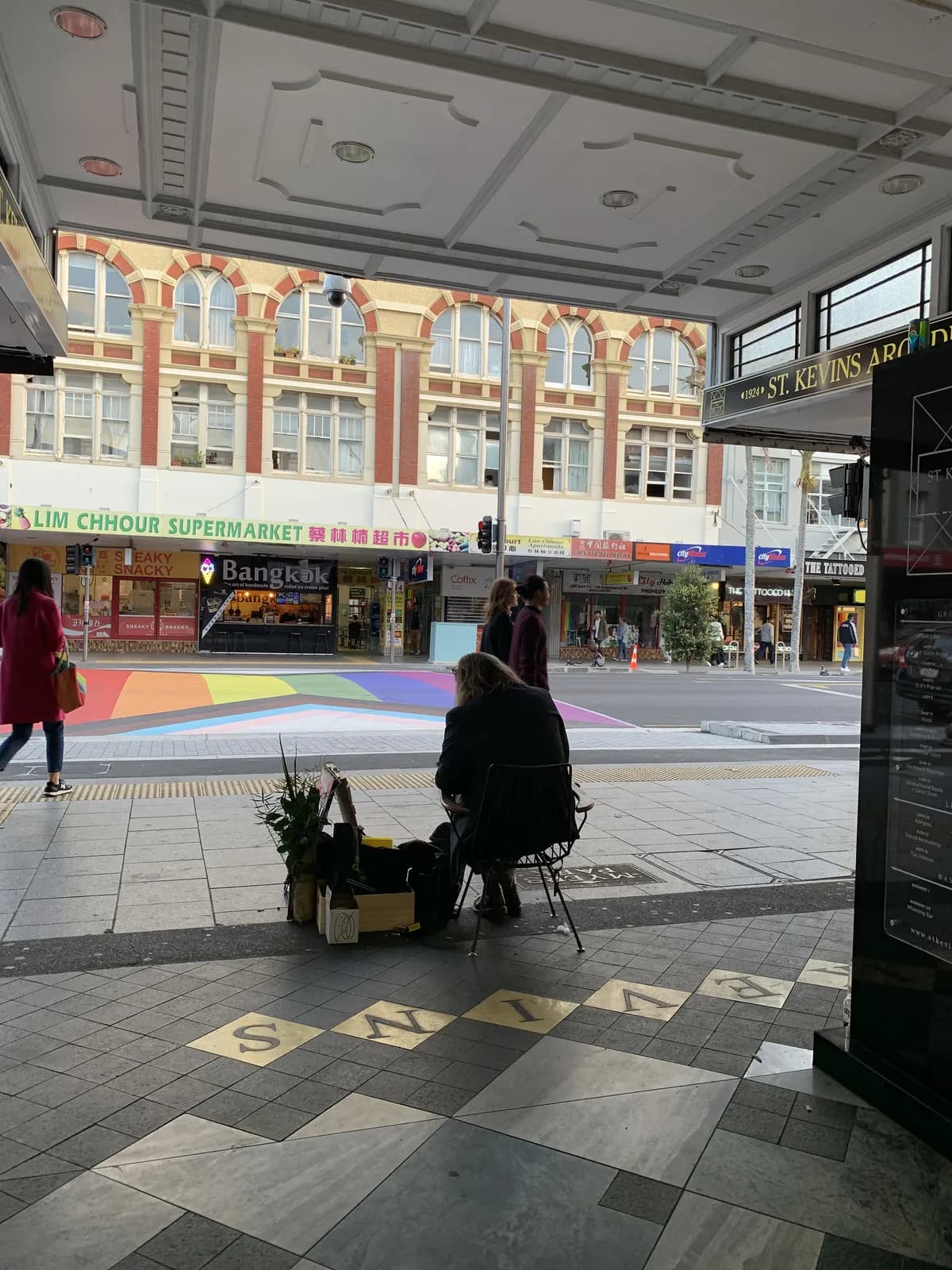
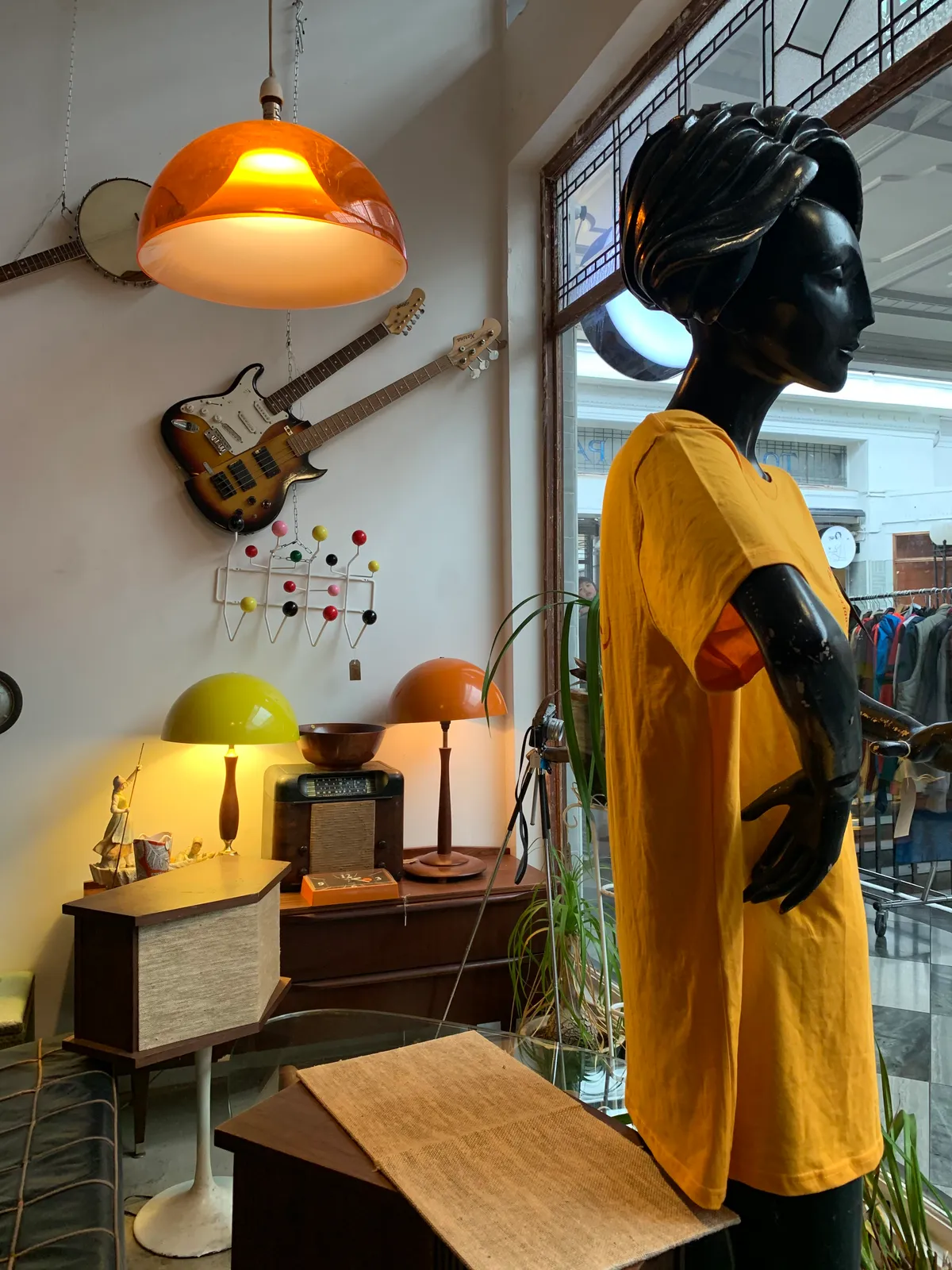
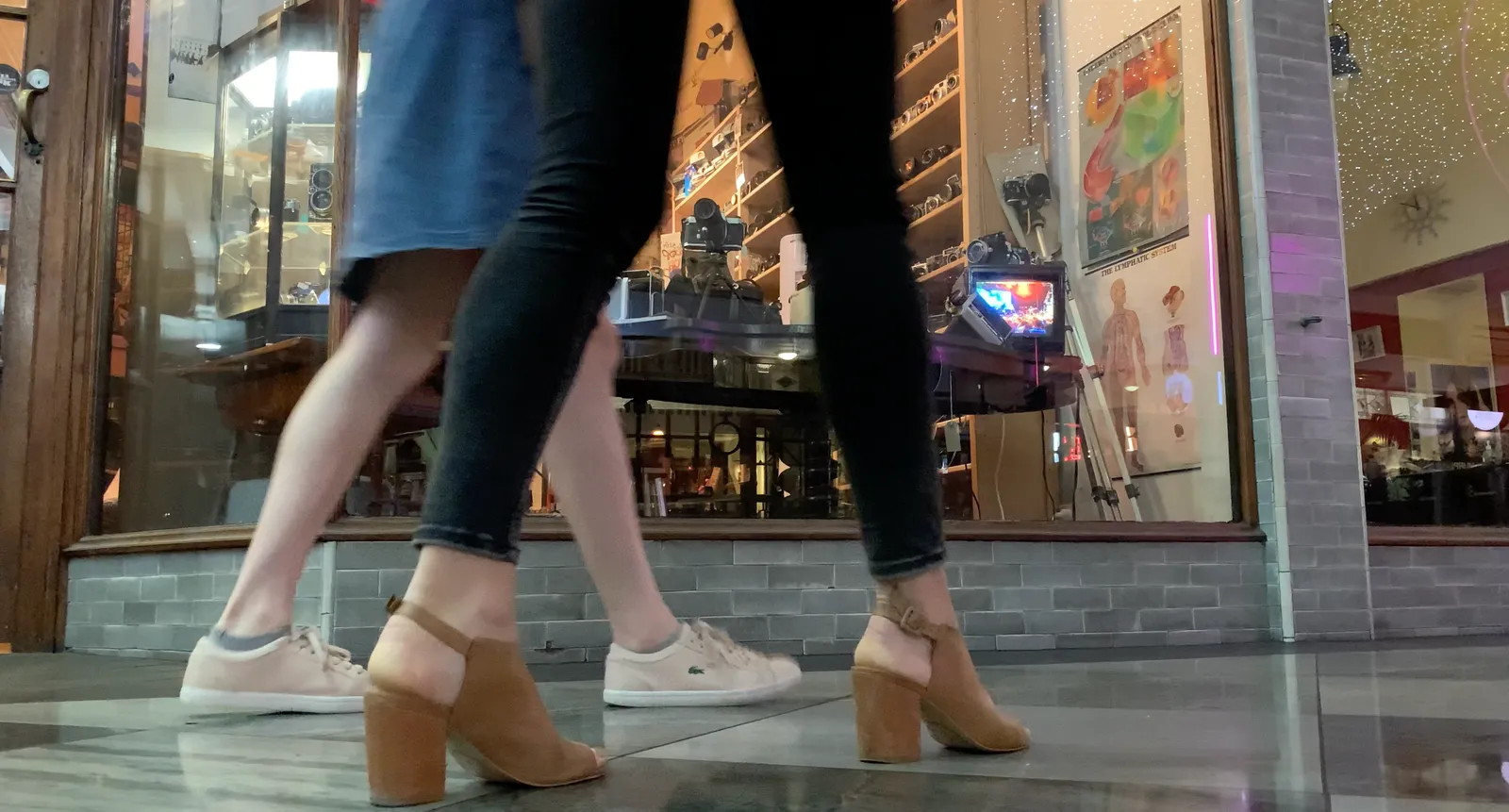
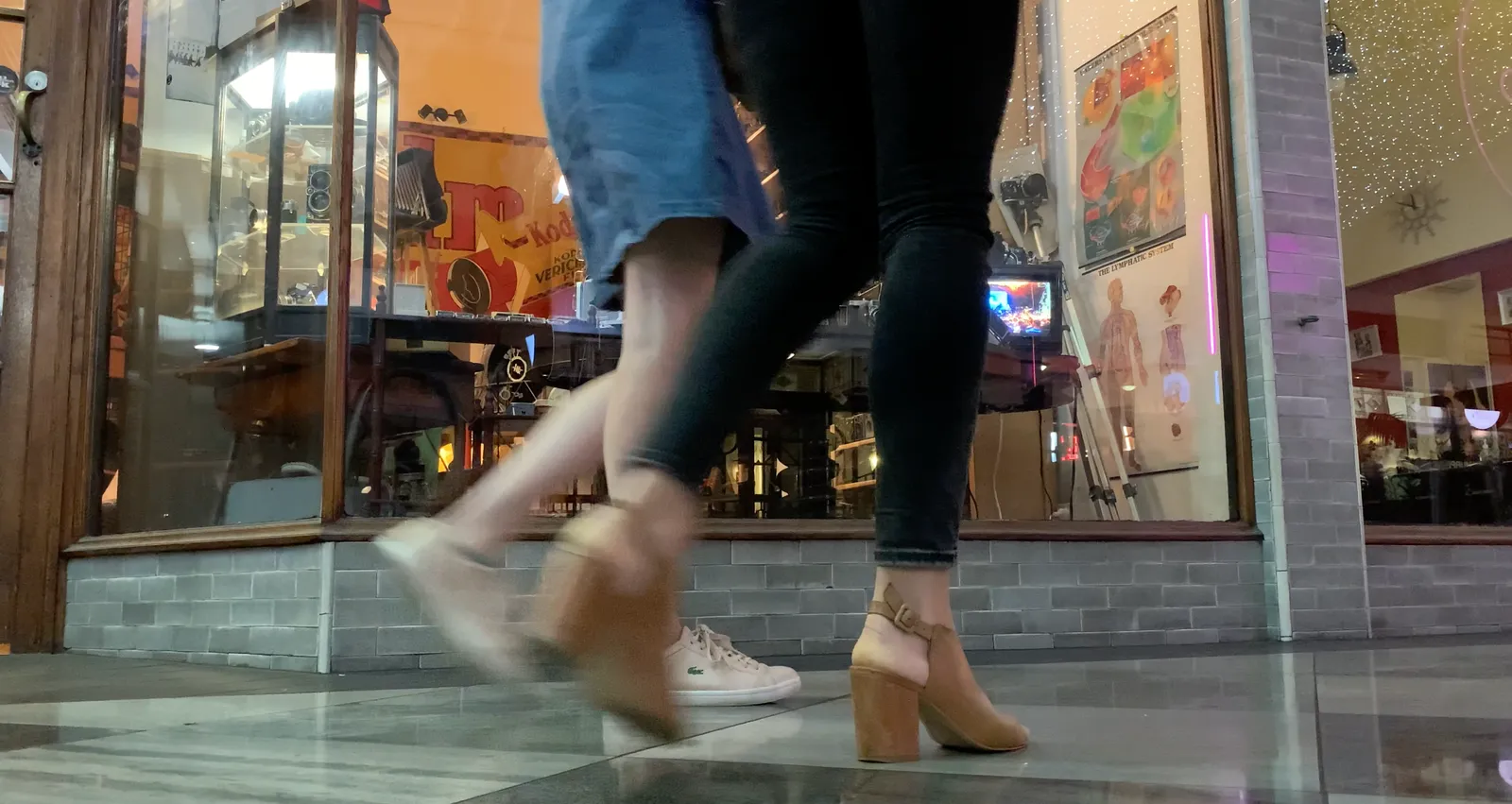
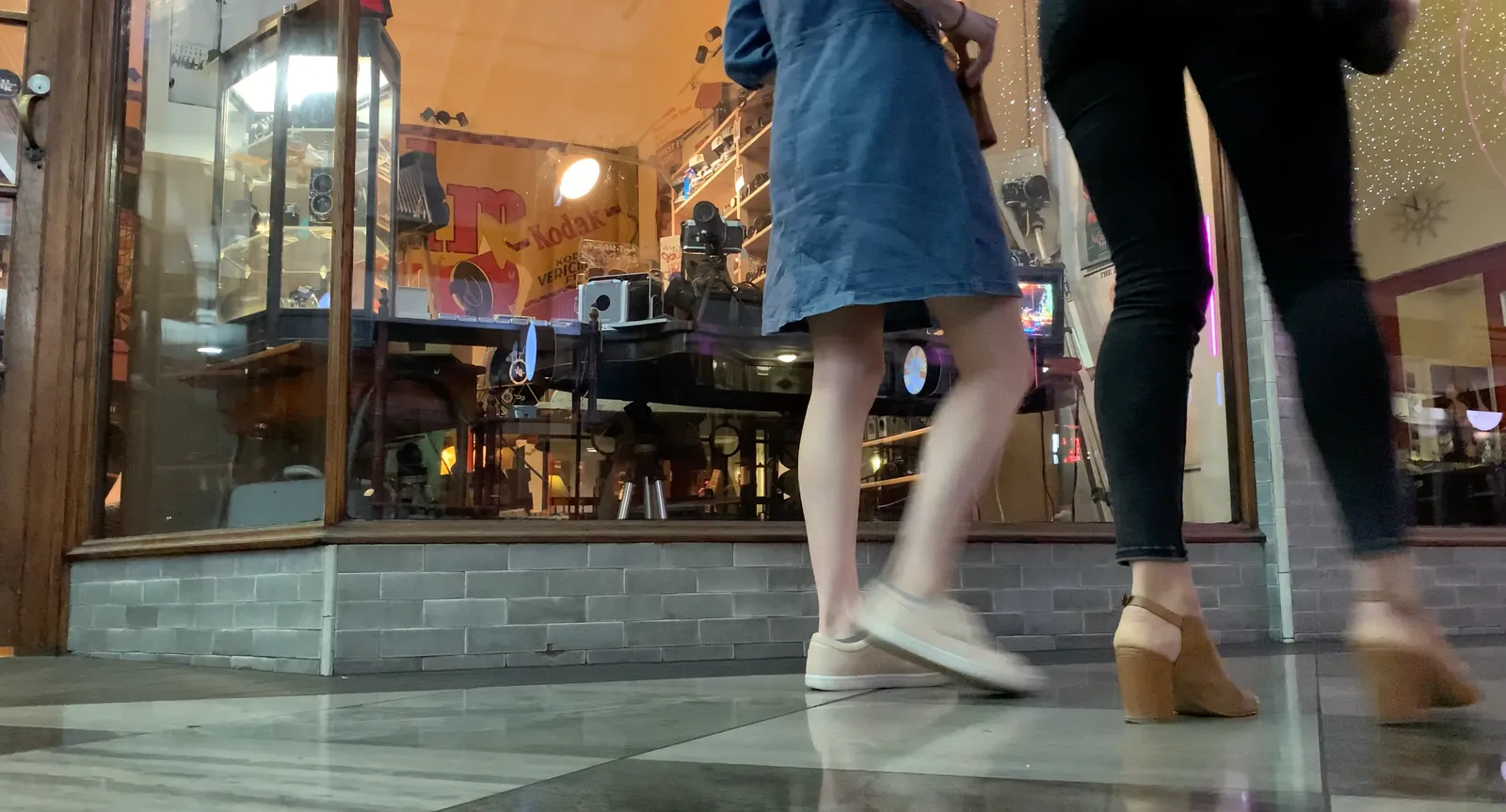
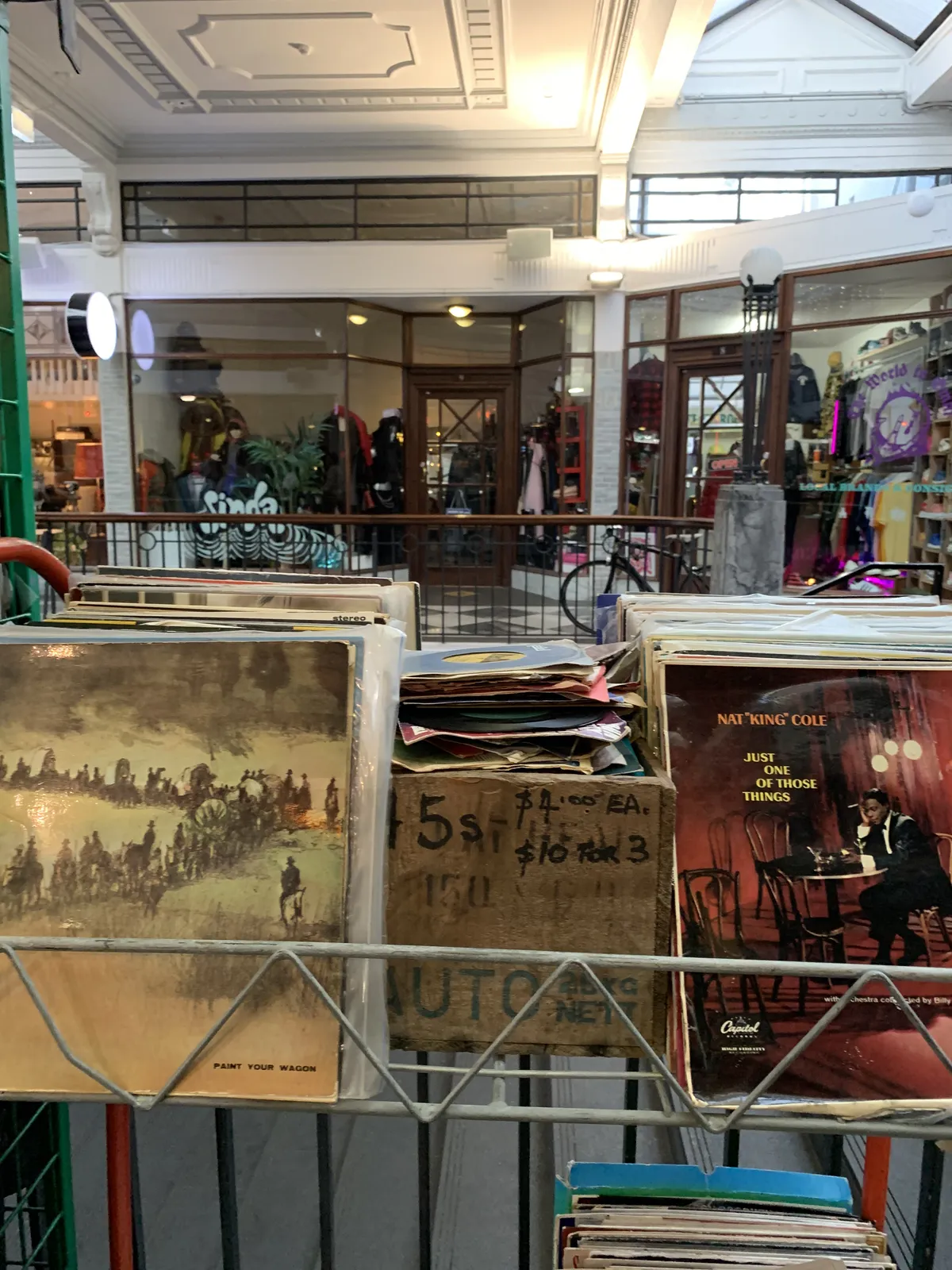
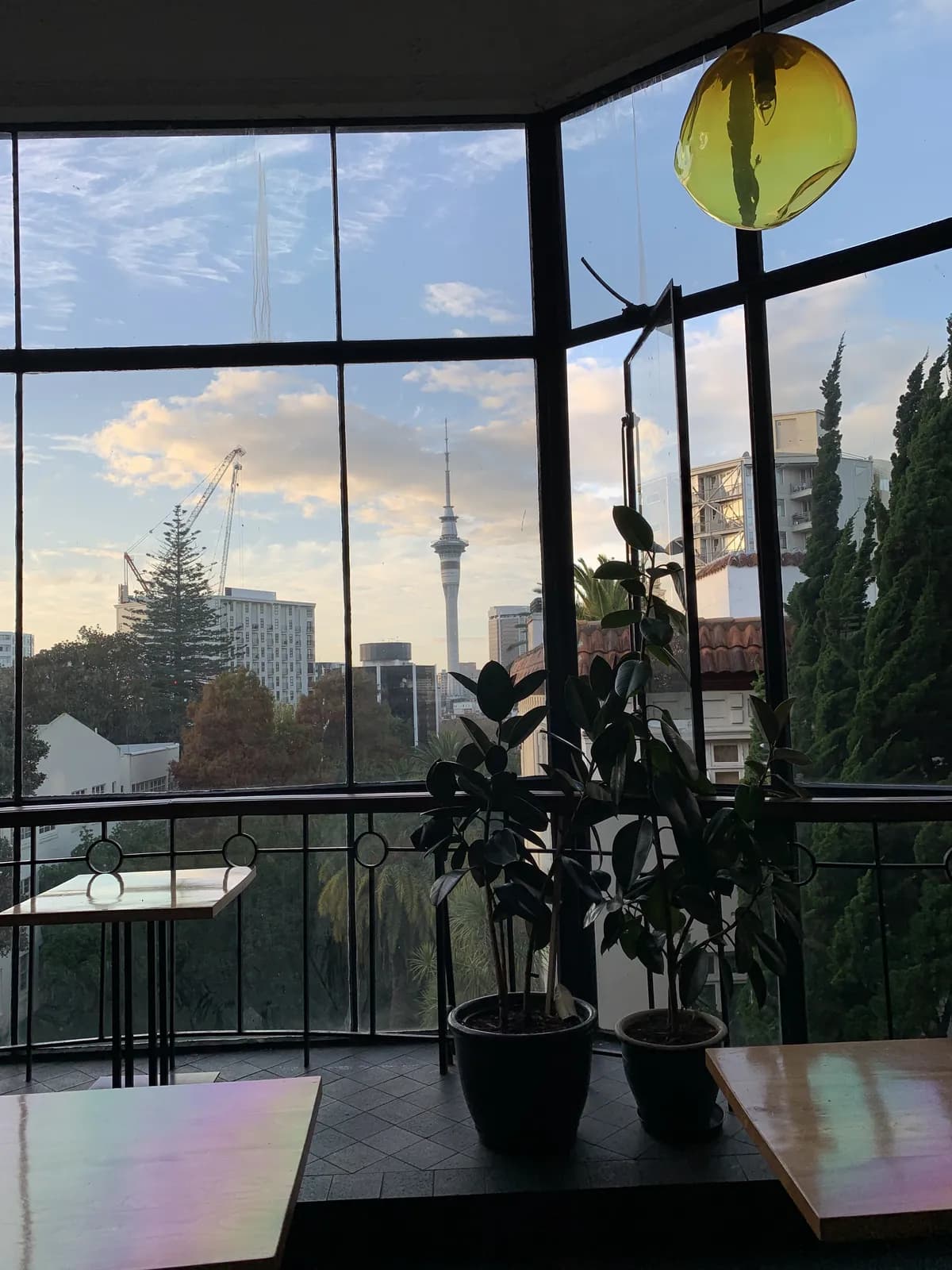
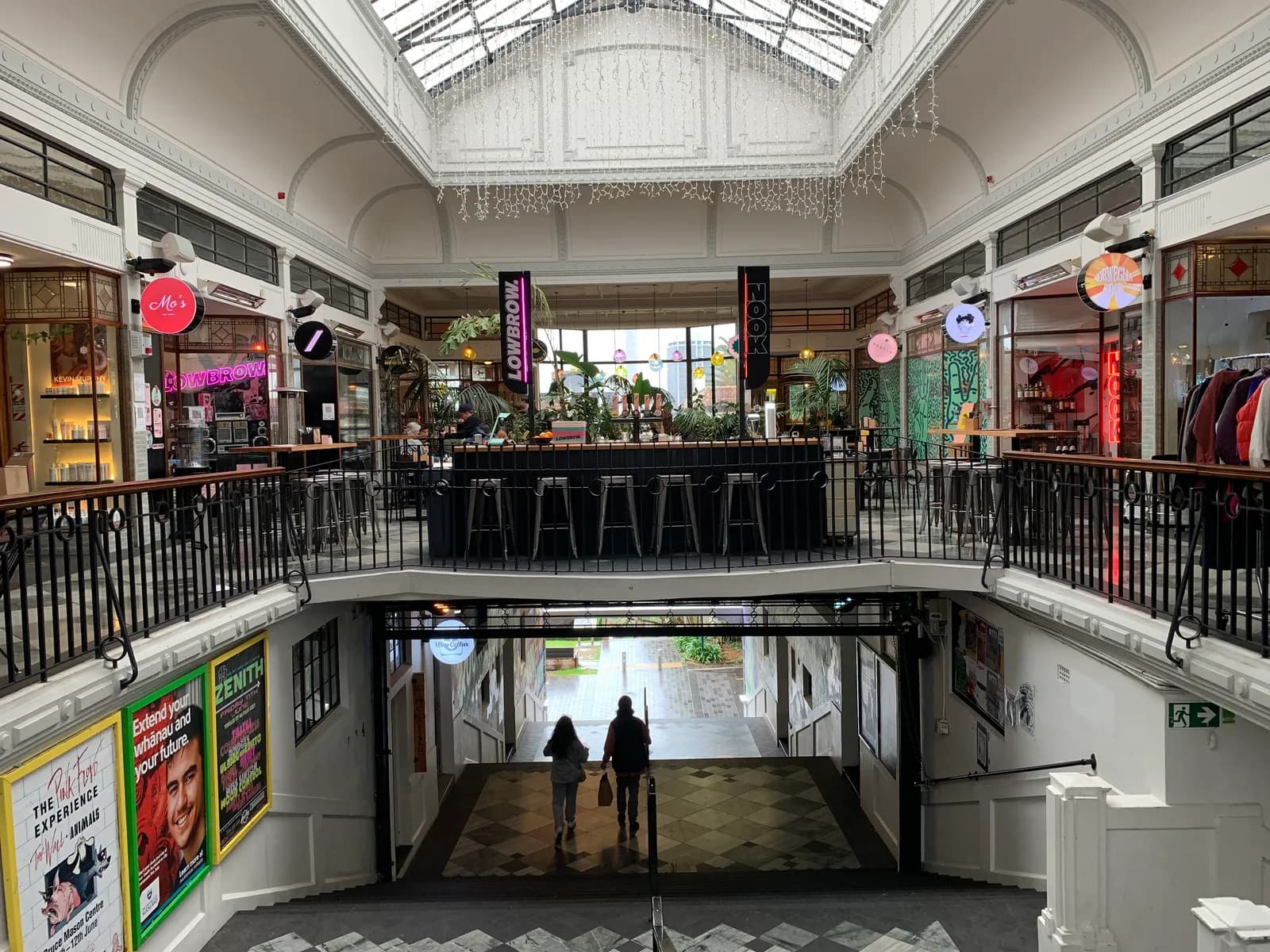
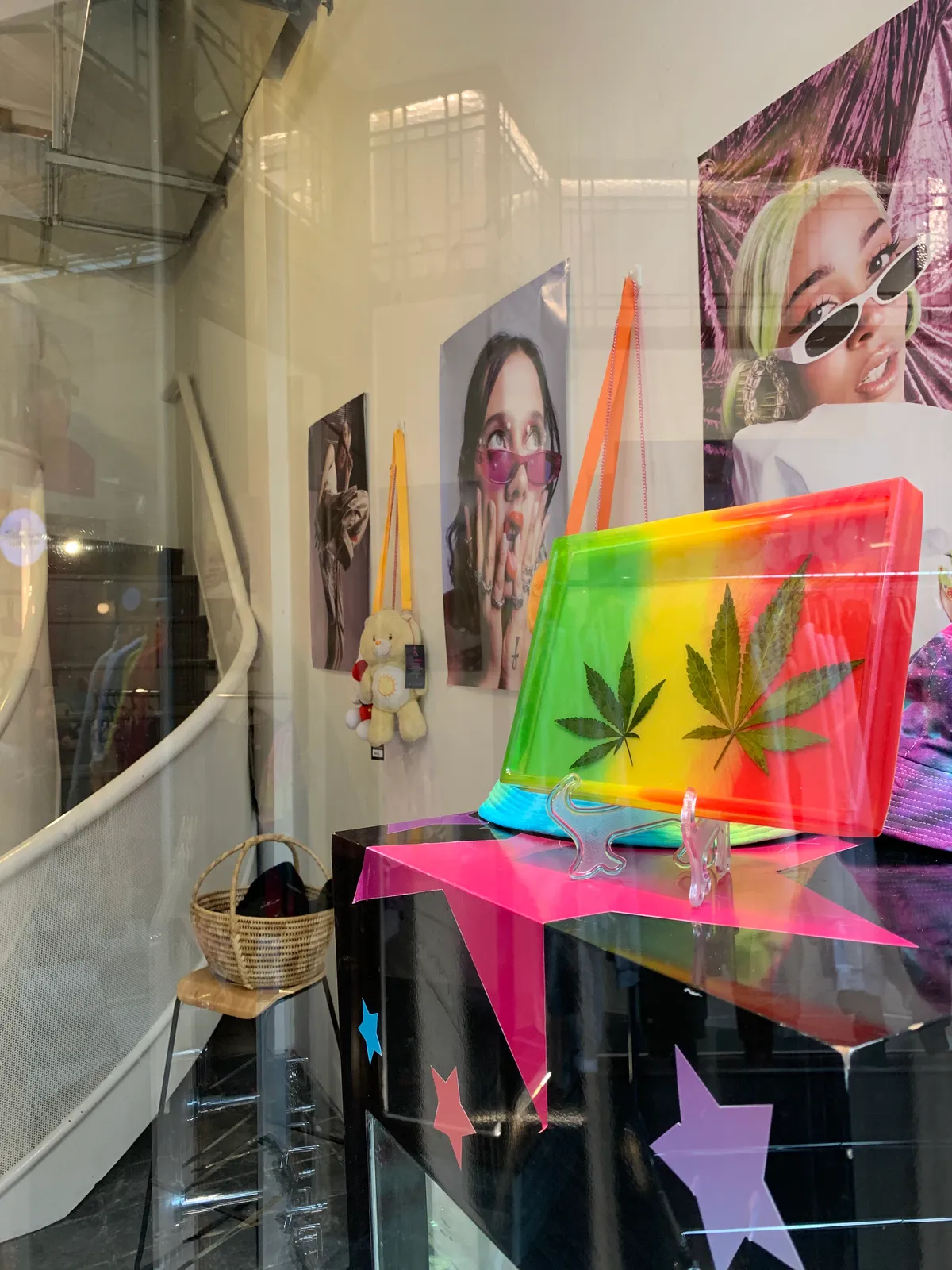
Every city has a street that contains its whole argument with itself. This is ours.
AFTER DARK
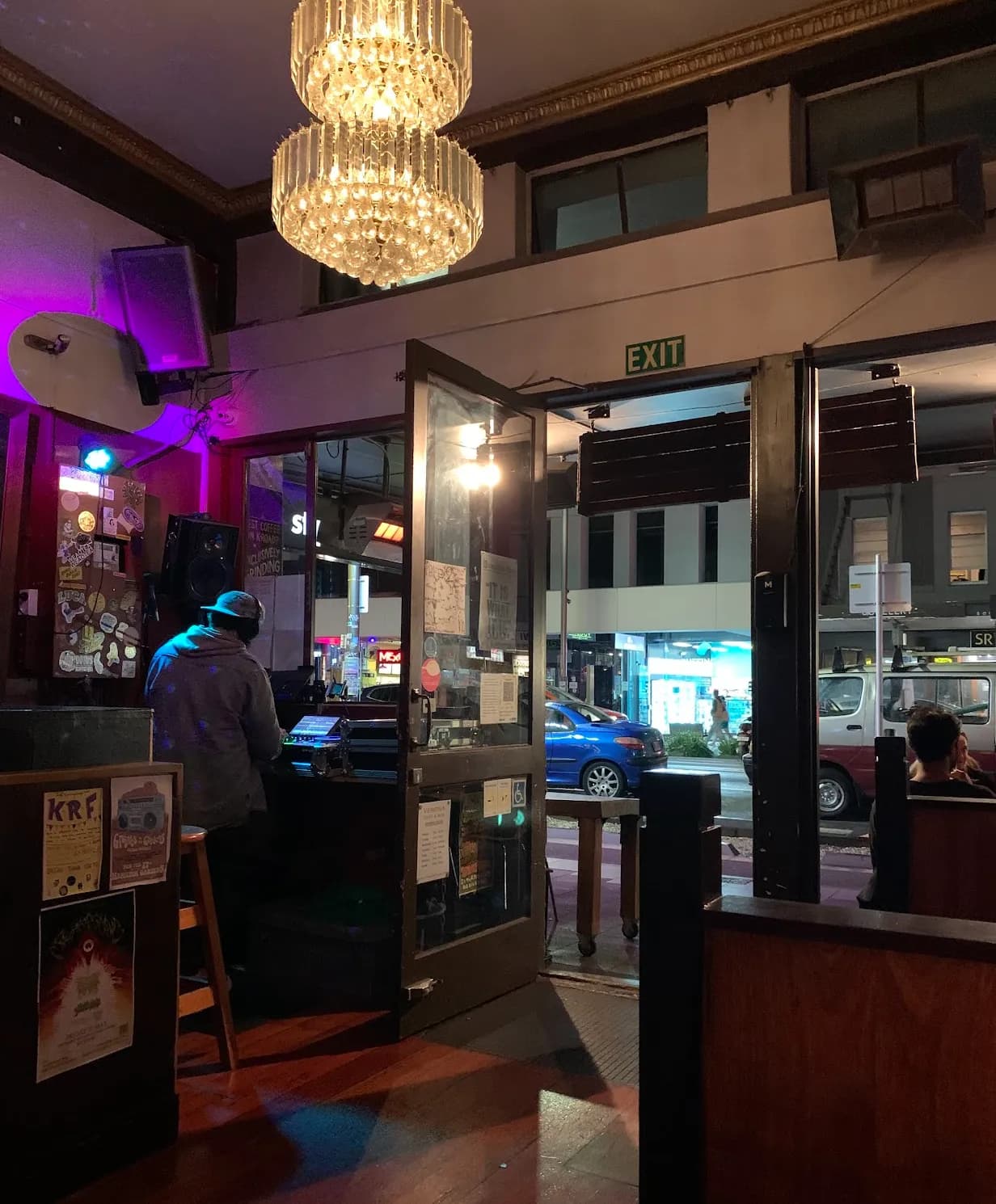
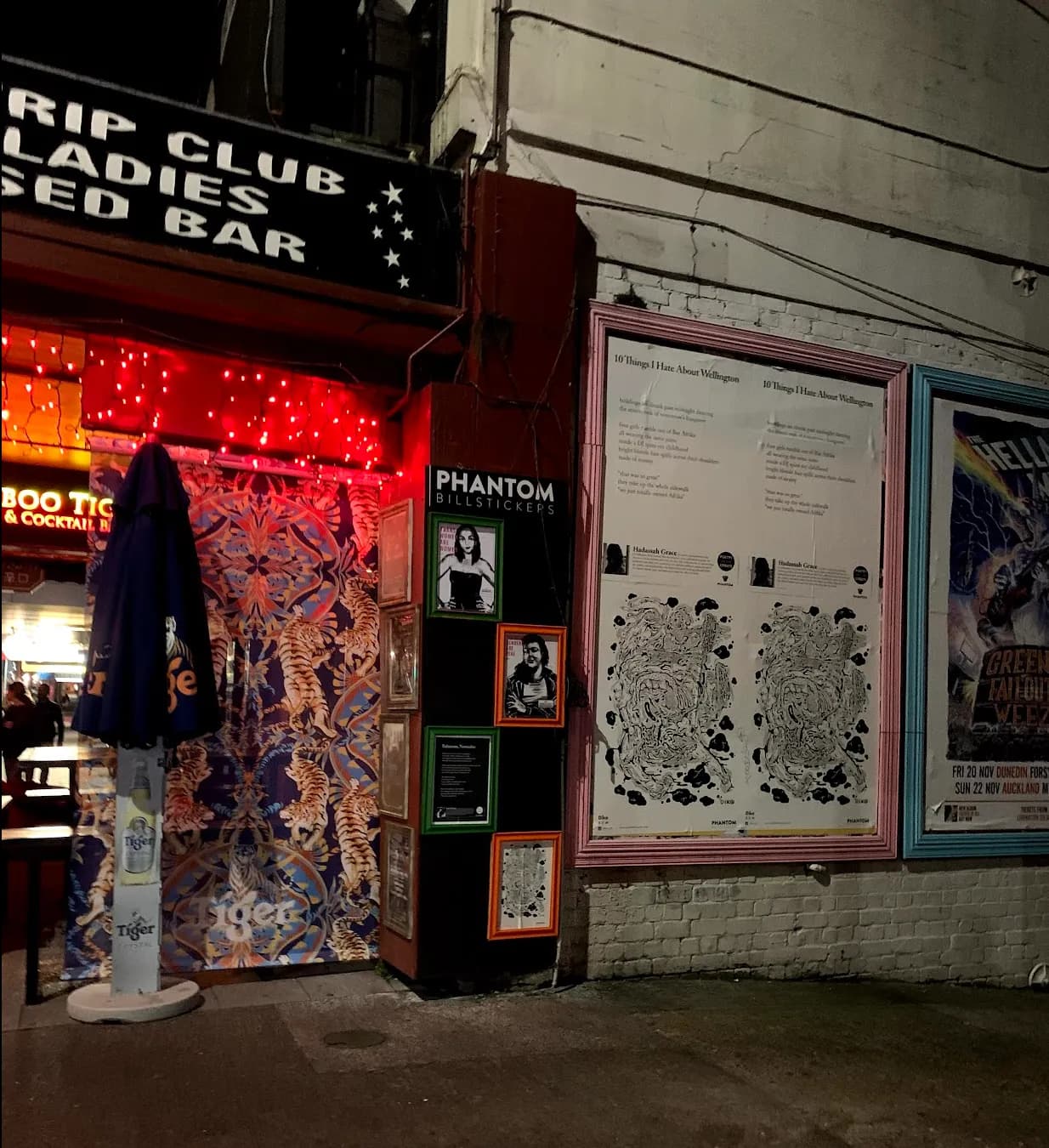
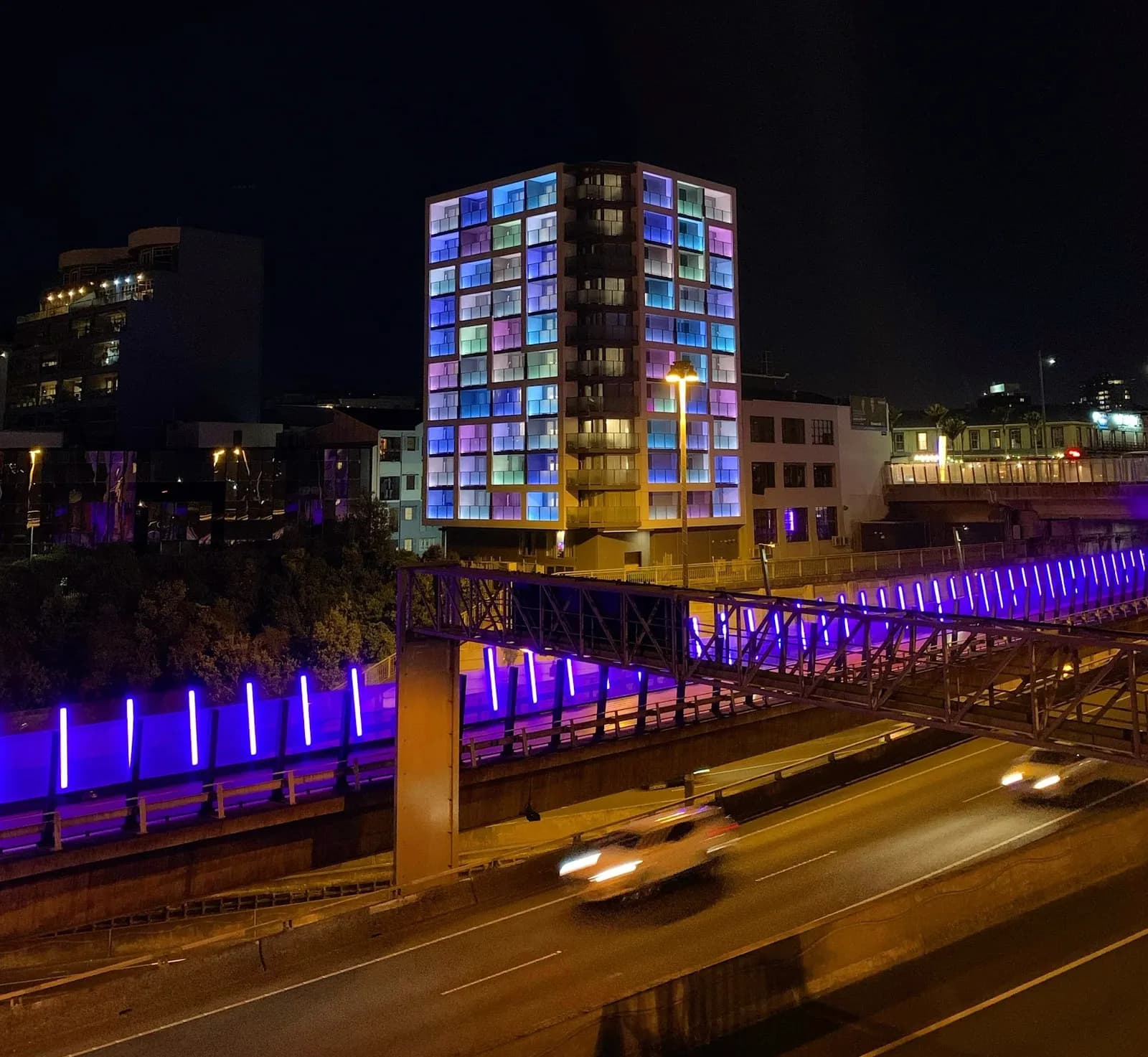
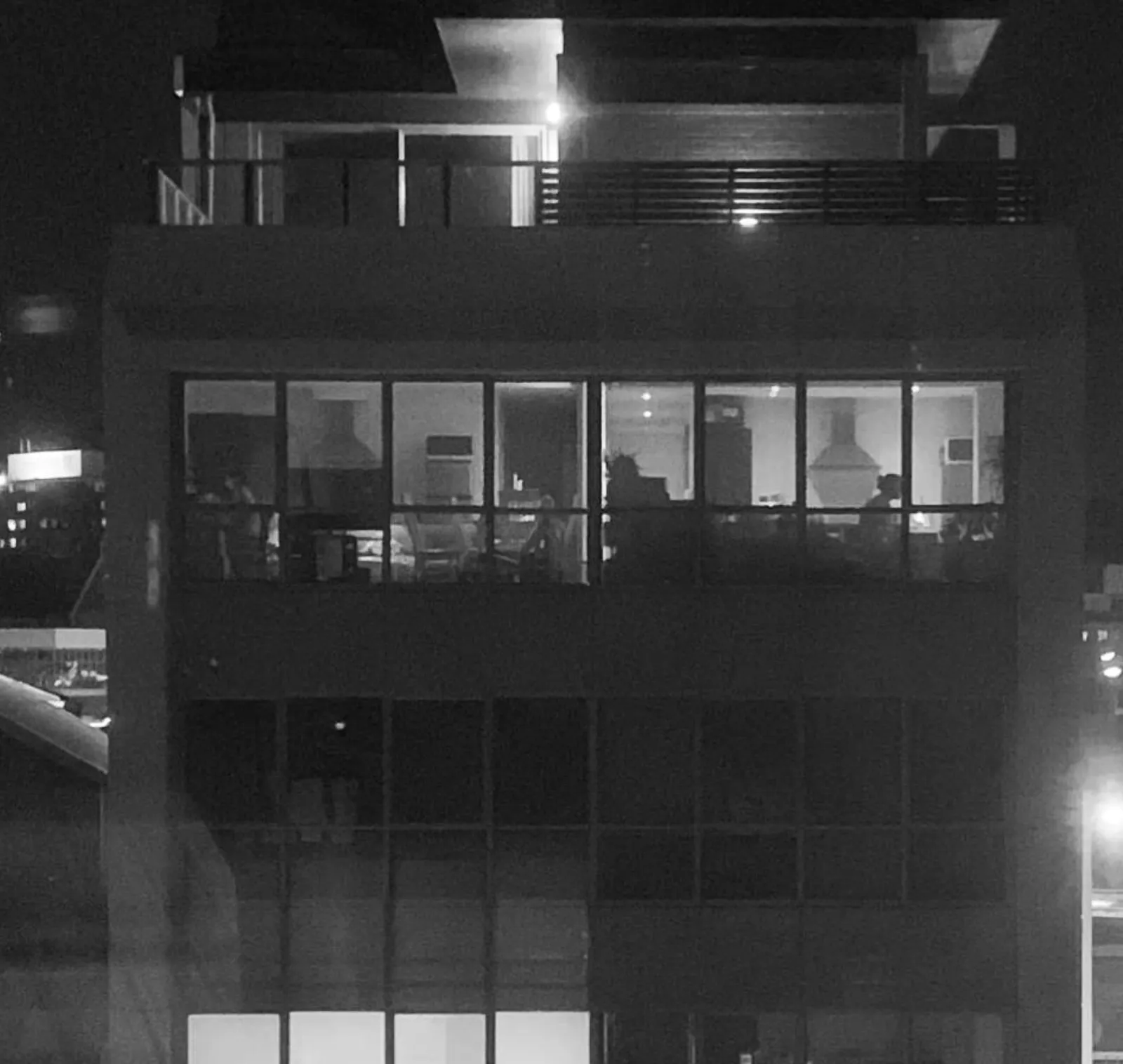
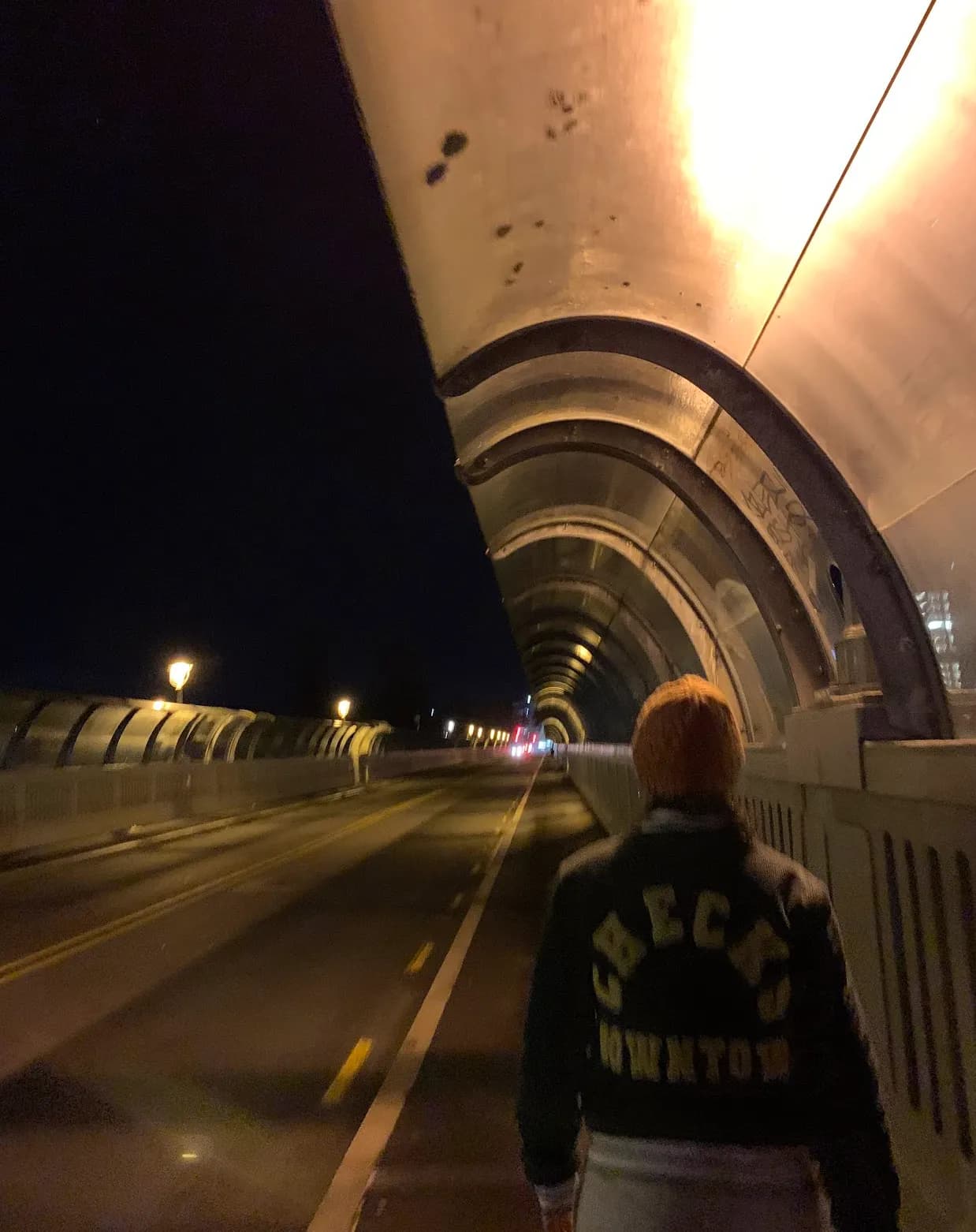
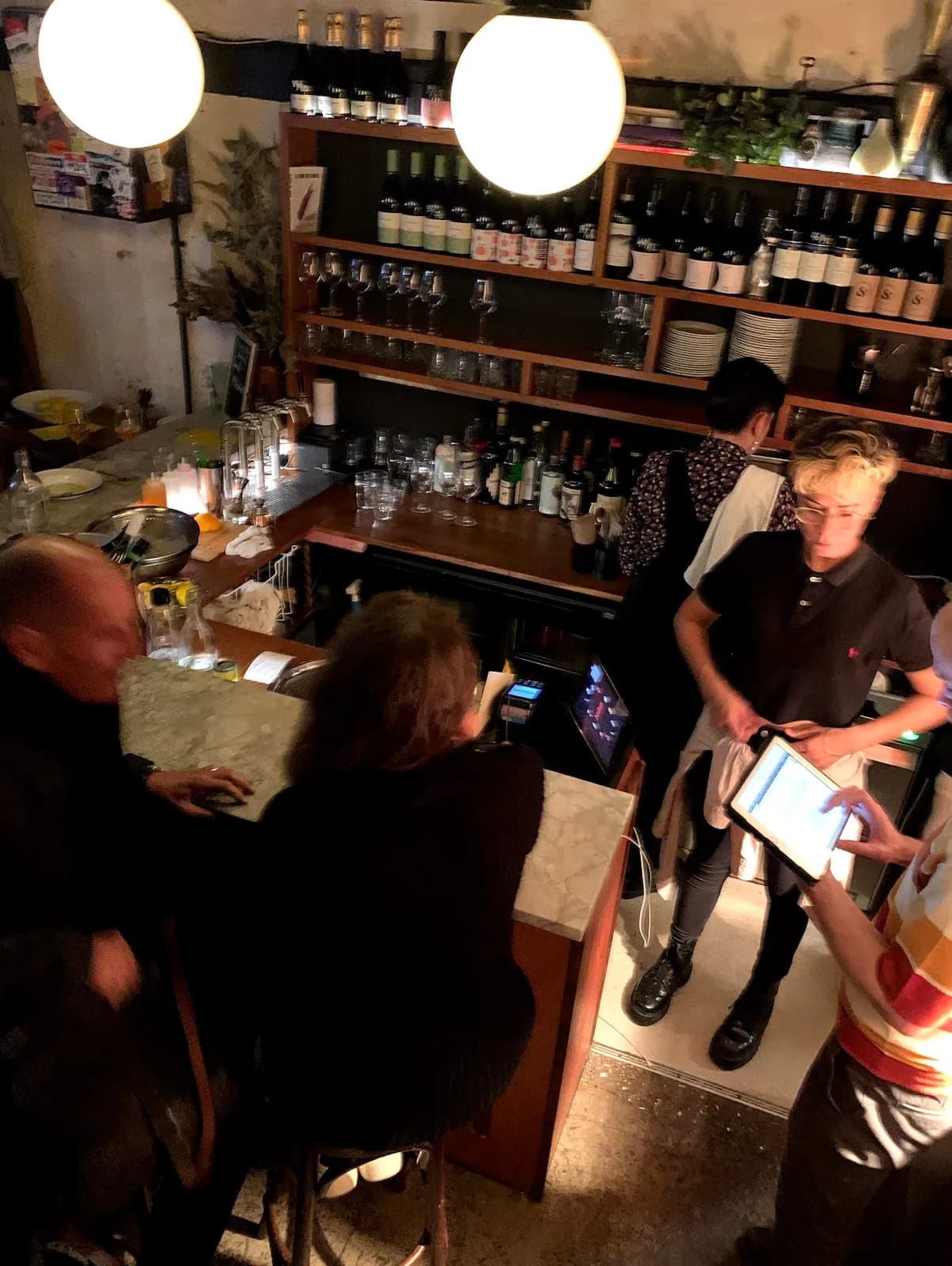
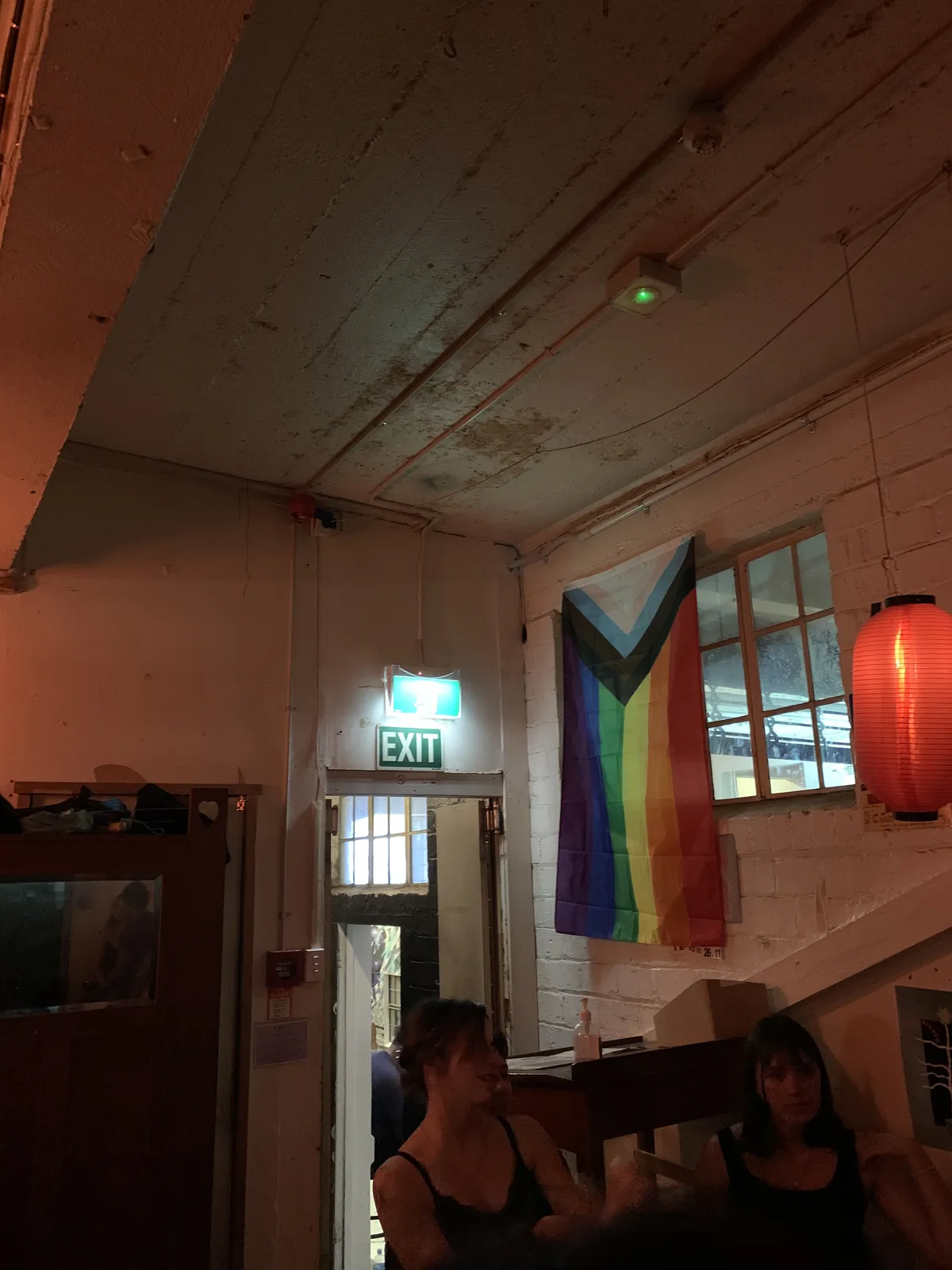
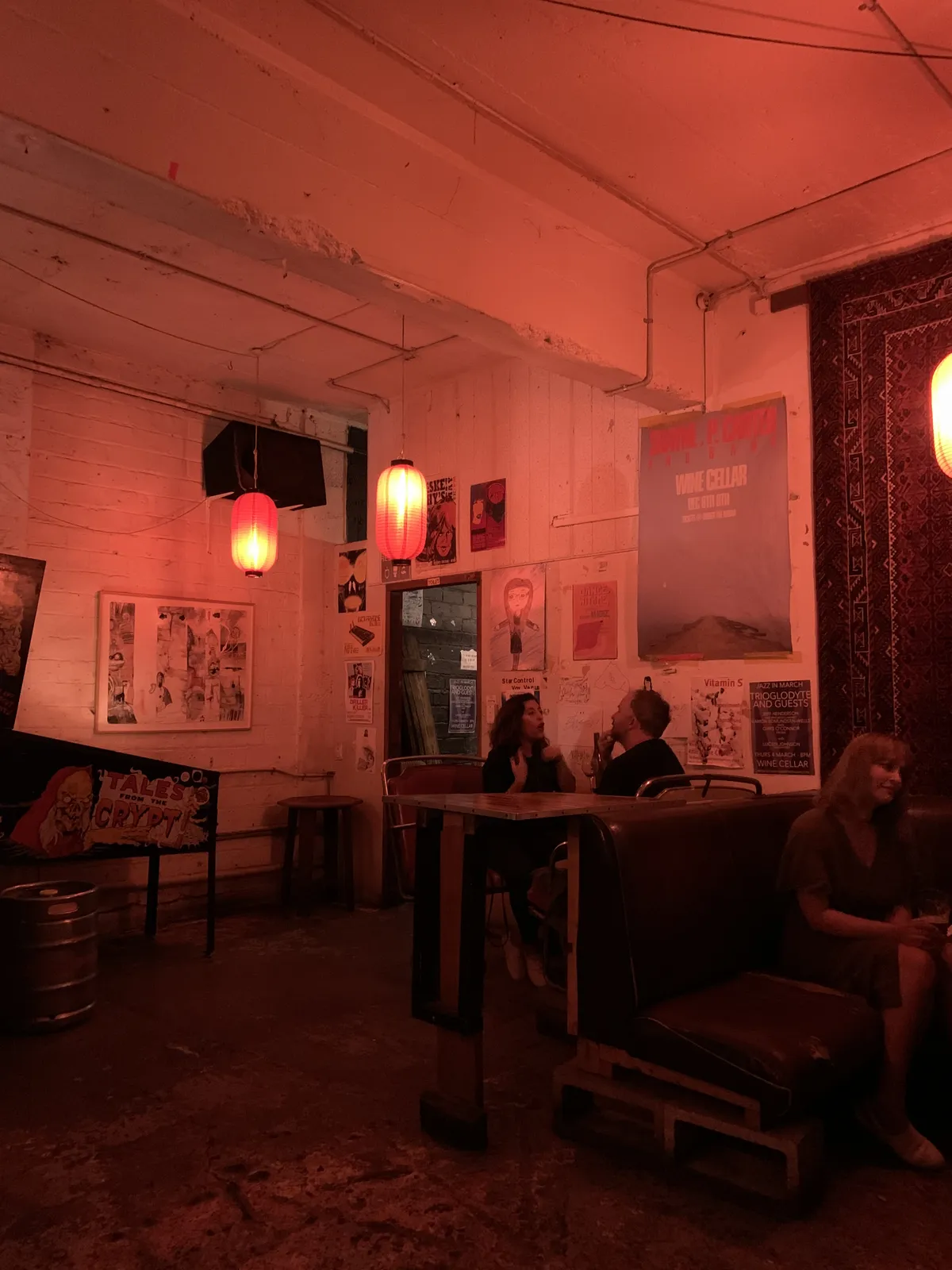
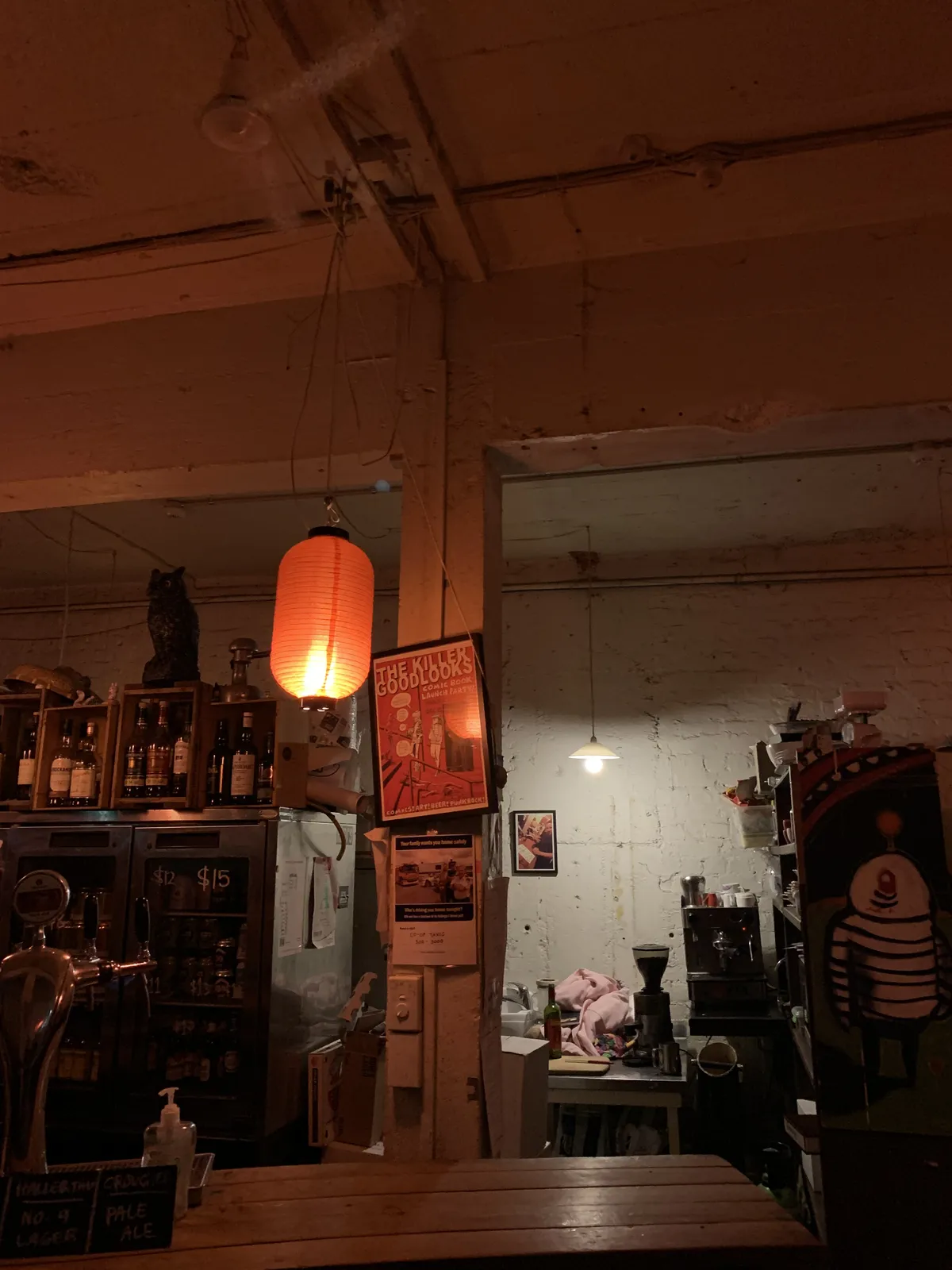
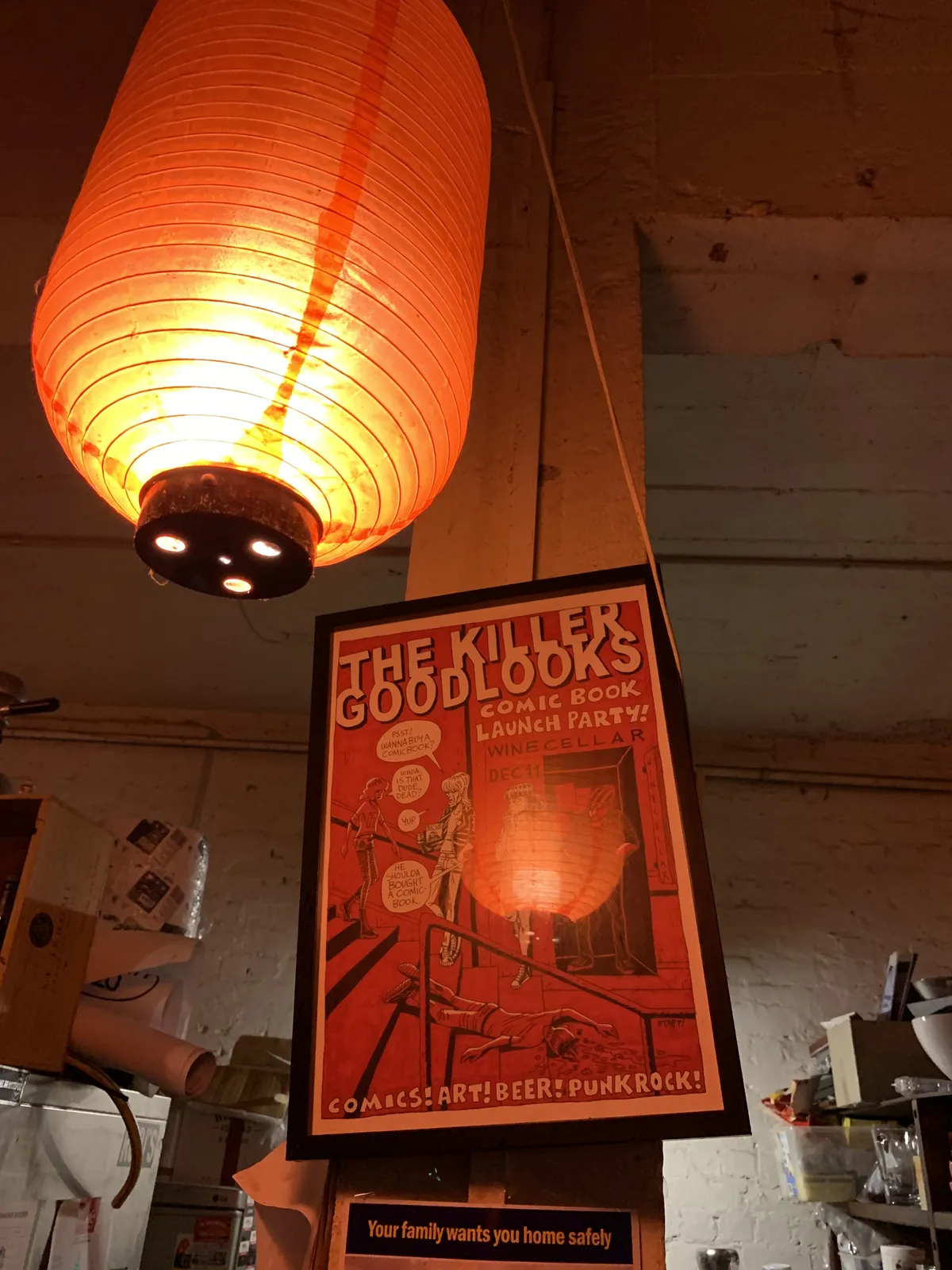
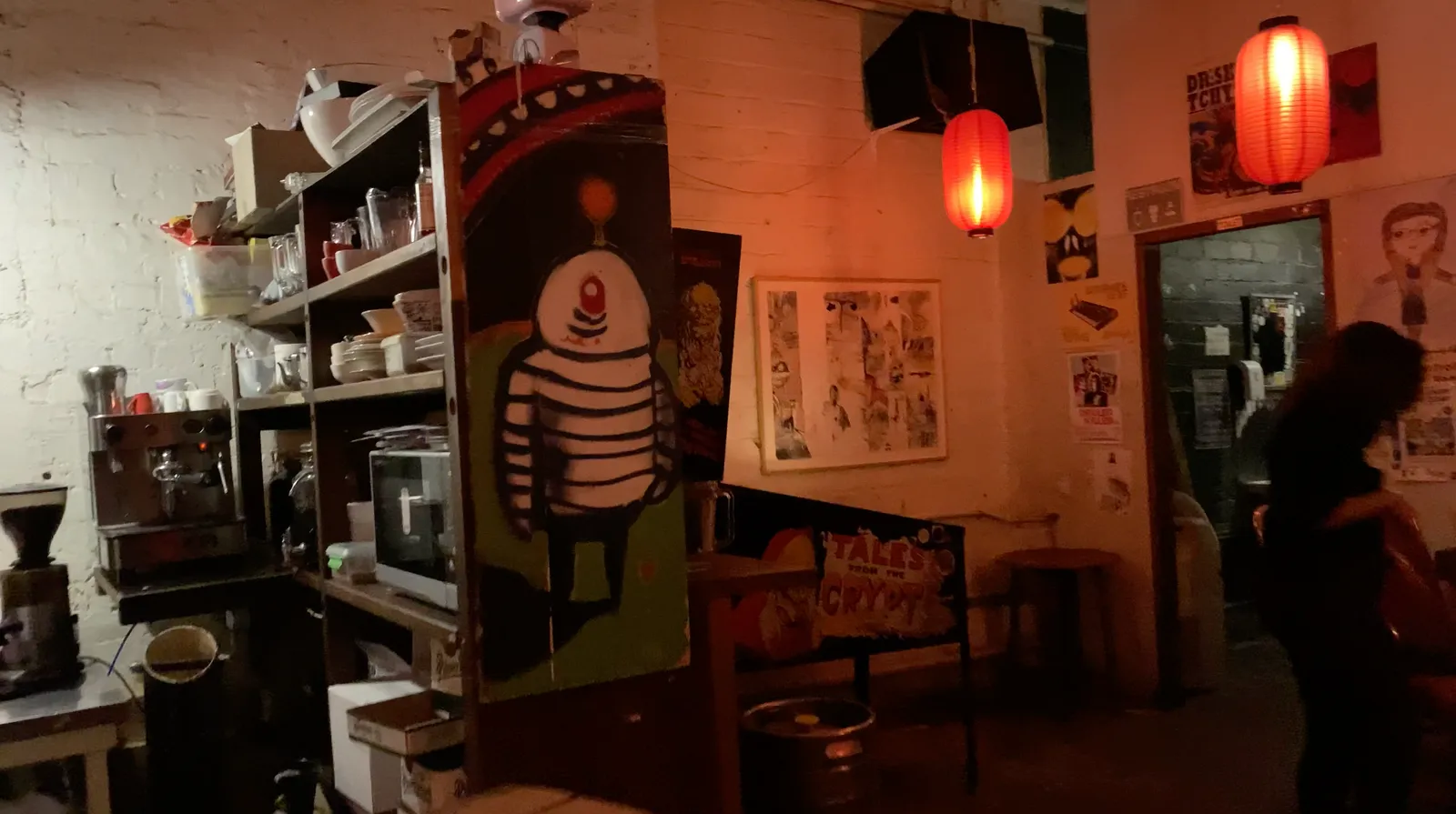
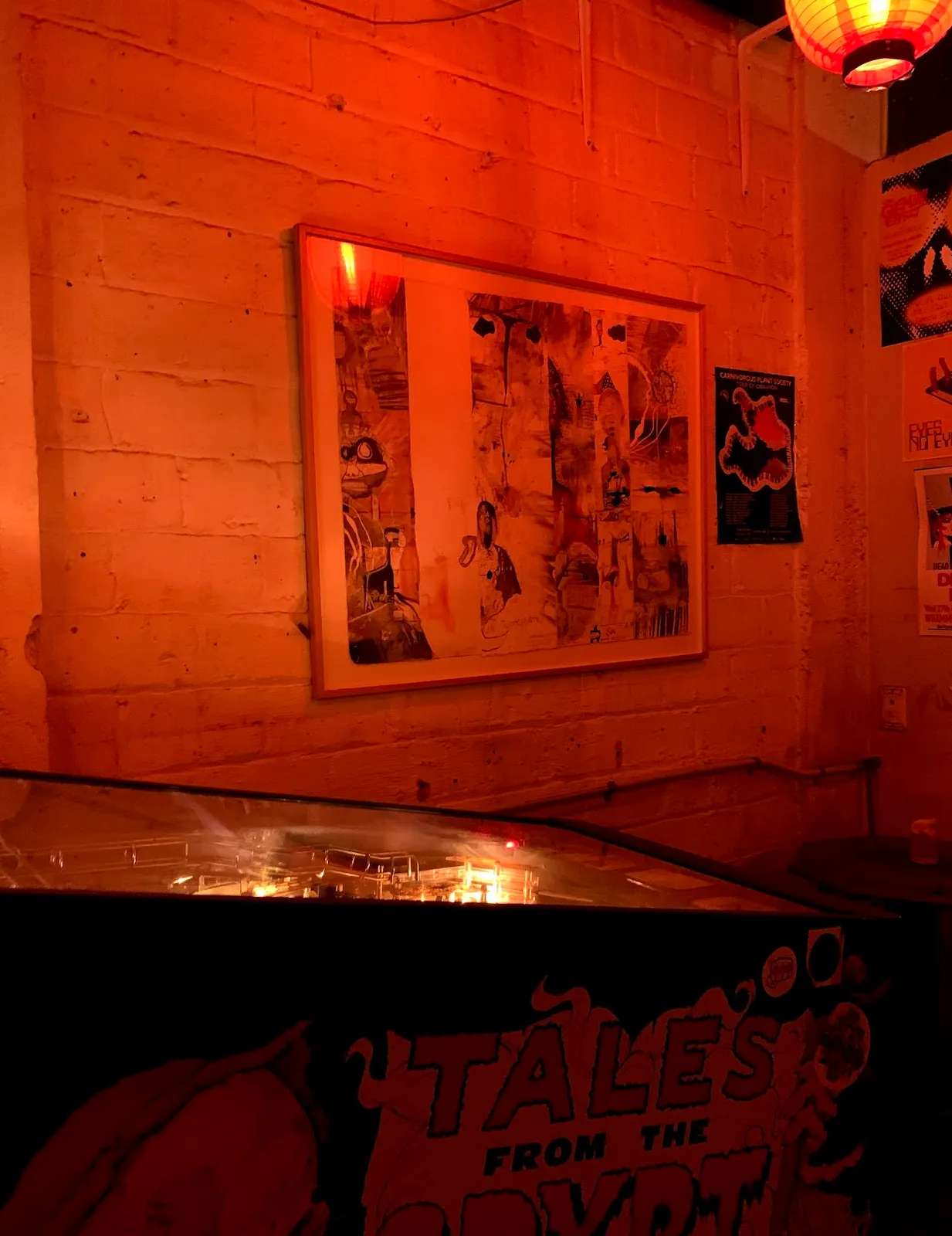
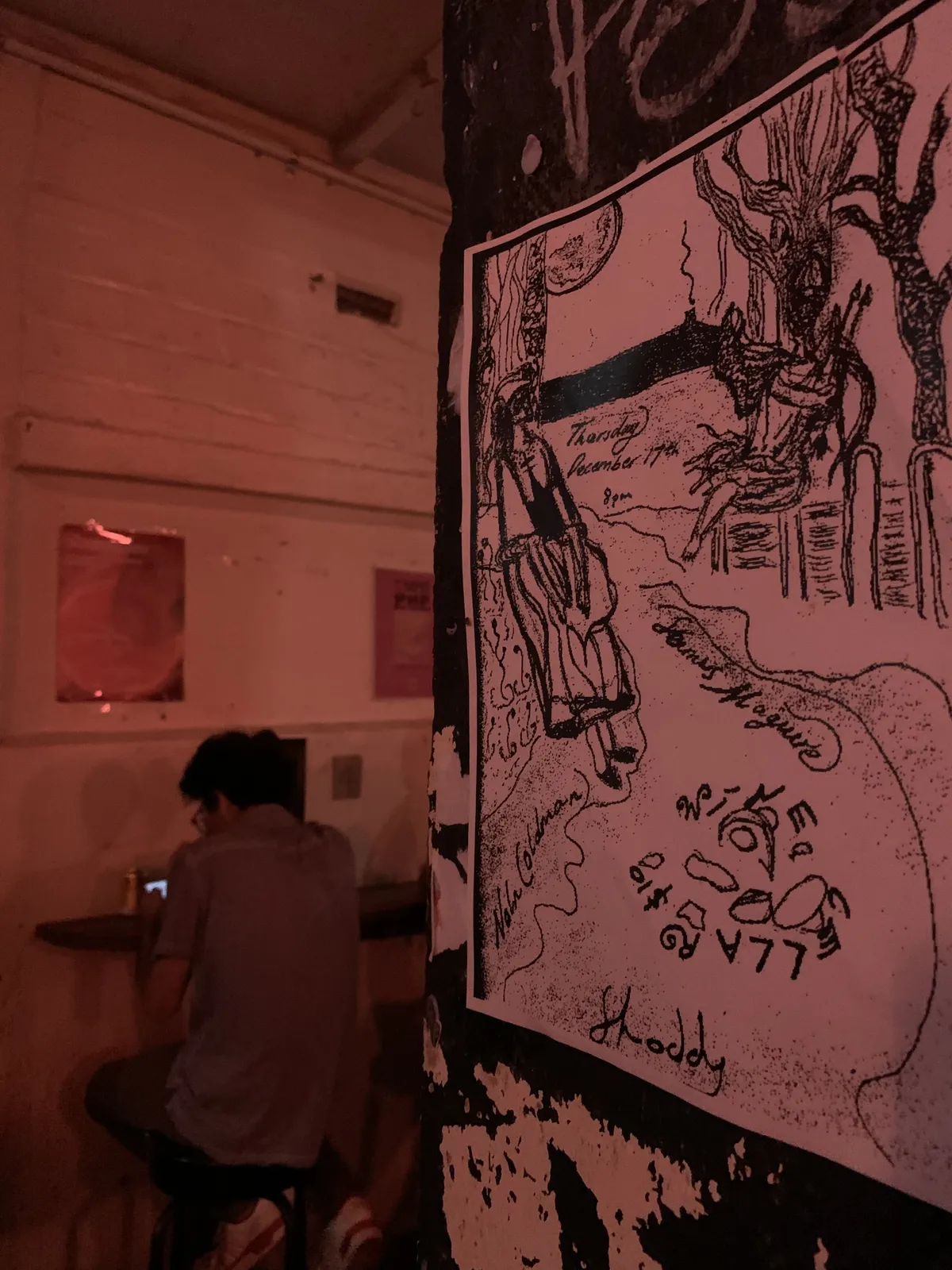
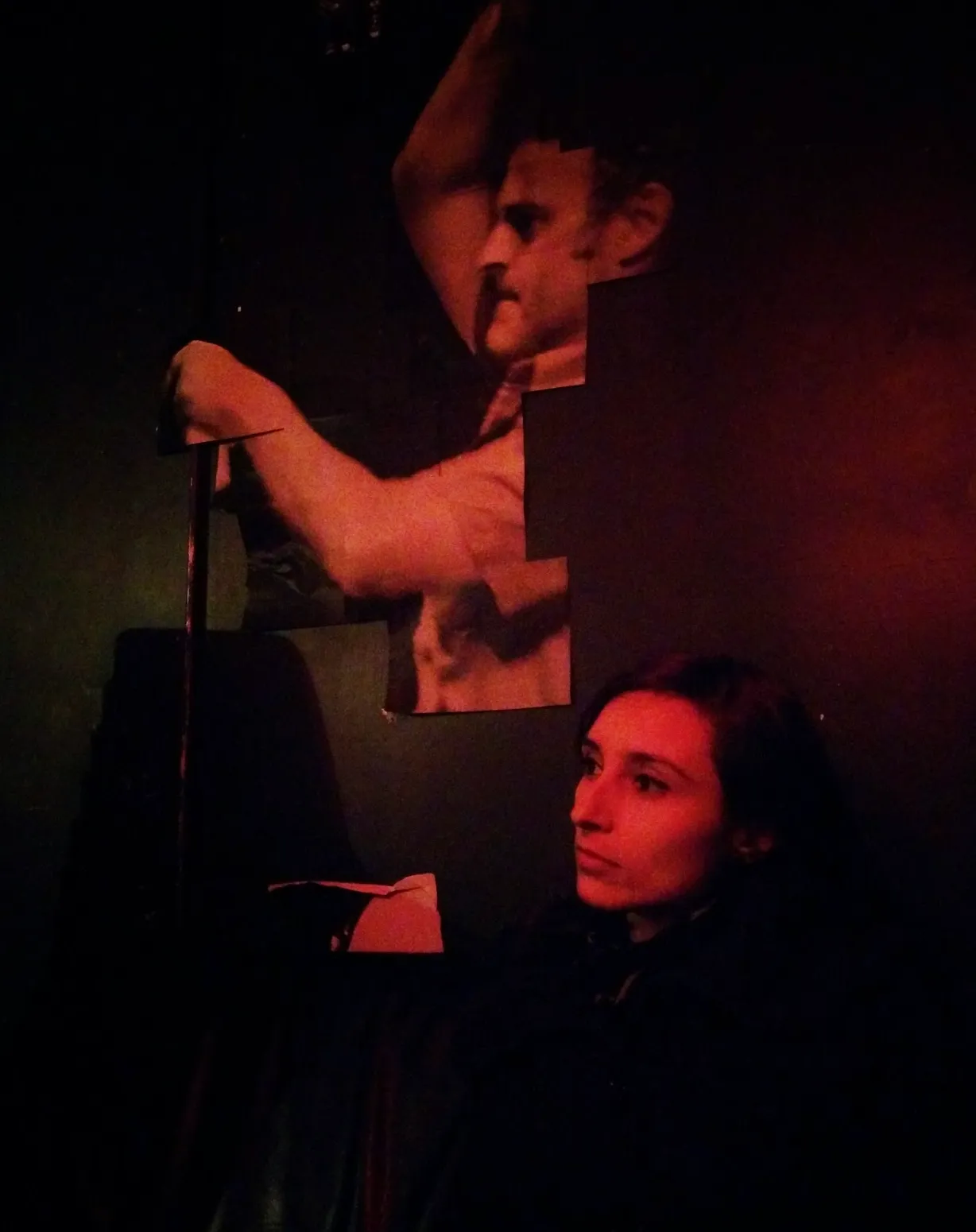
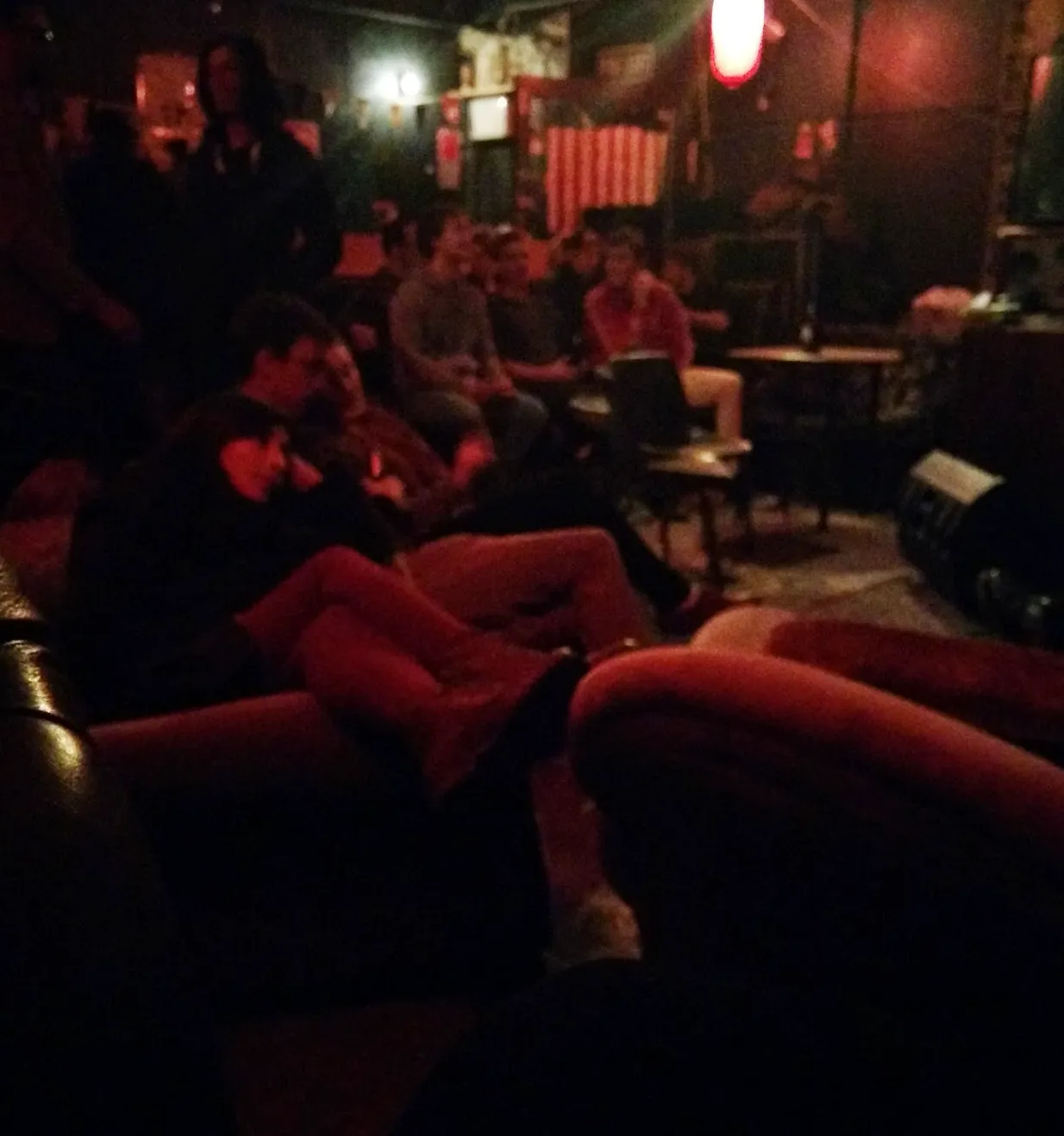
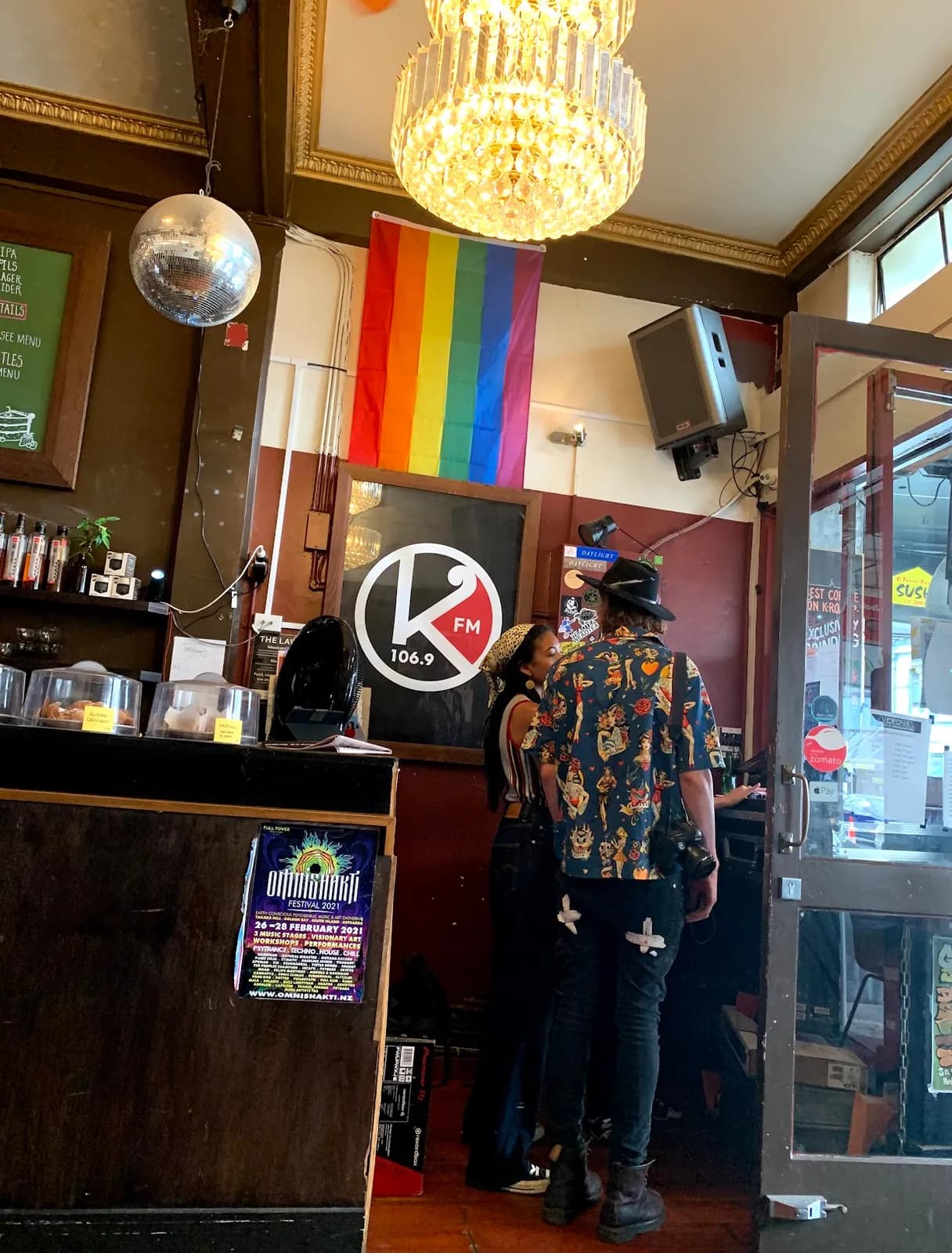
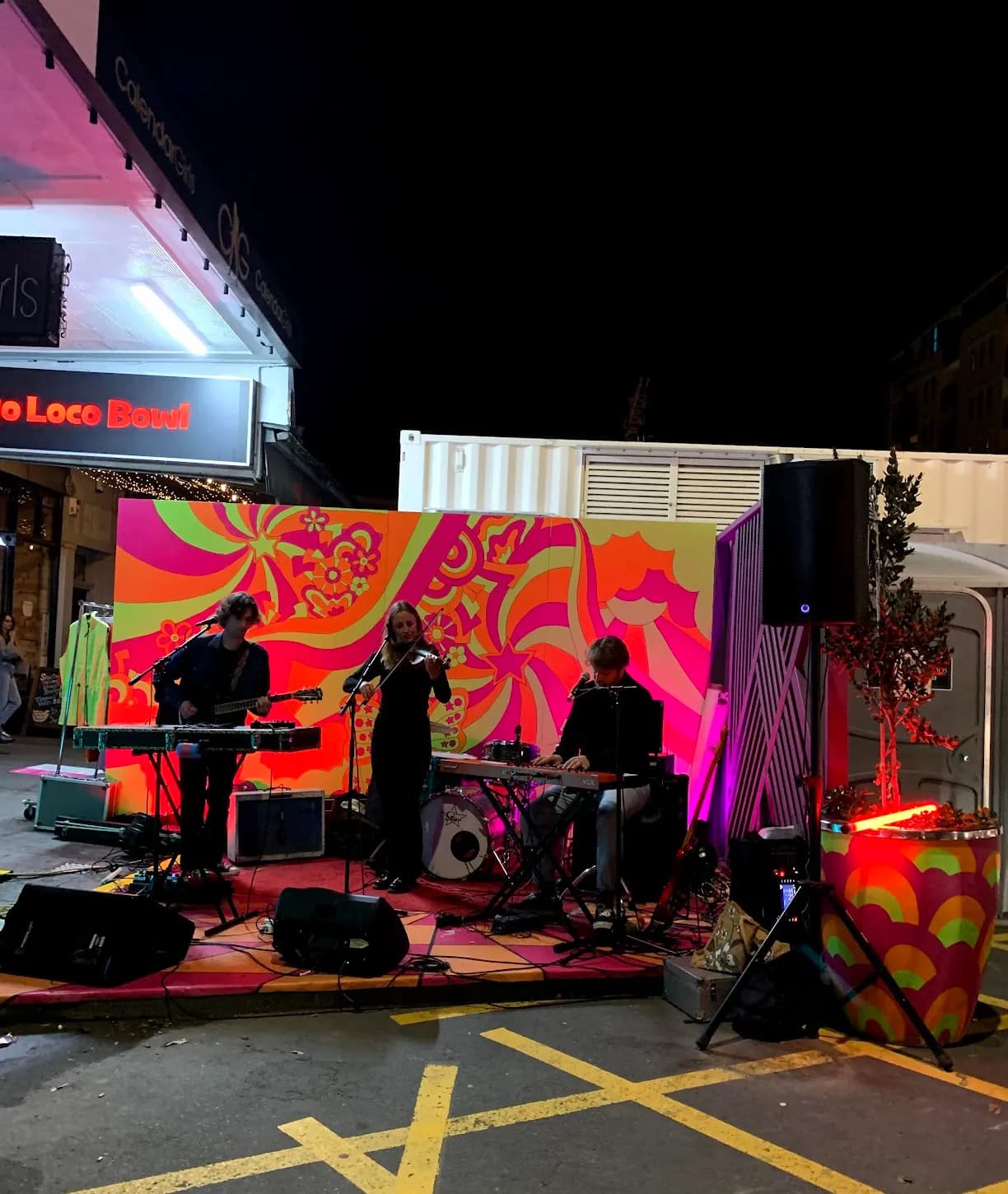
The venues here have no dress code and no pretension. The music starts late and the crowd is always the point. Some of these photos are from 2014. Some things on K Road do not change.
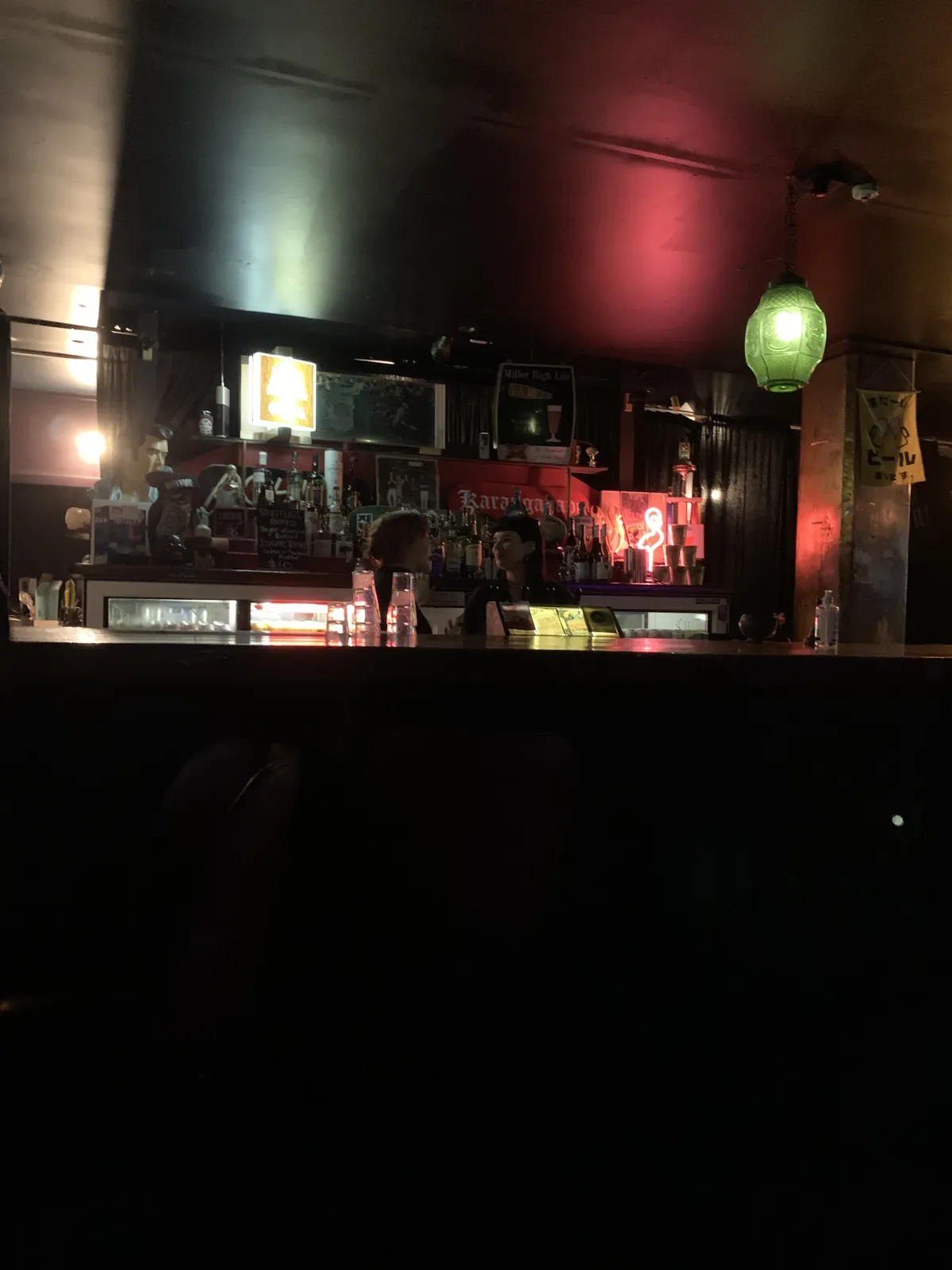
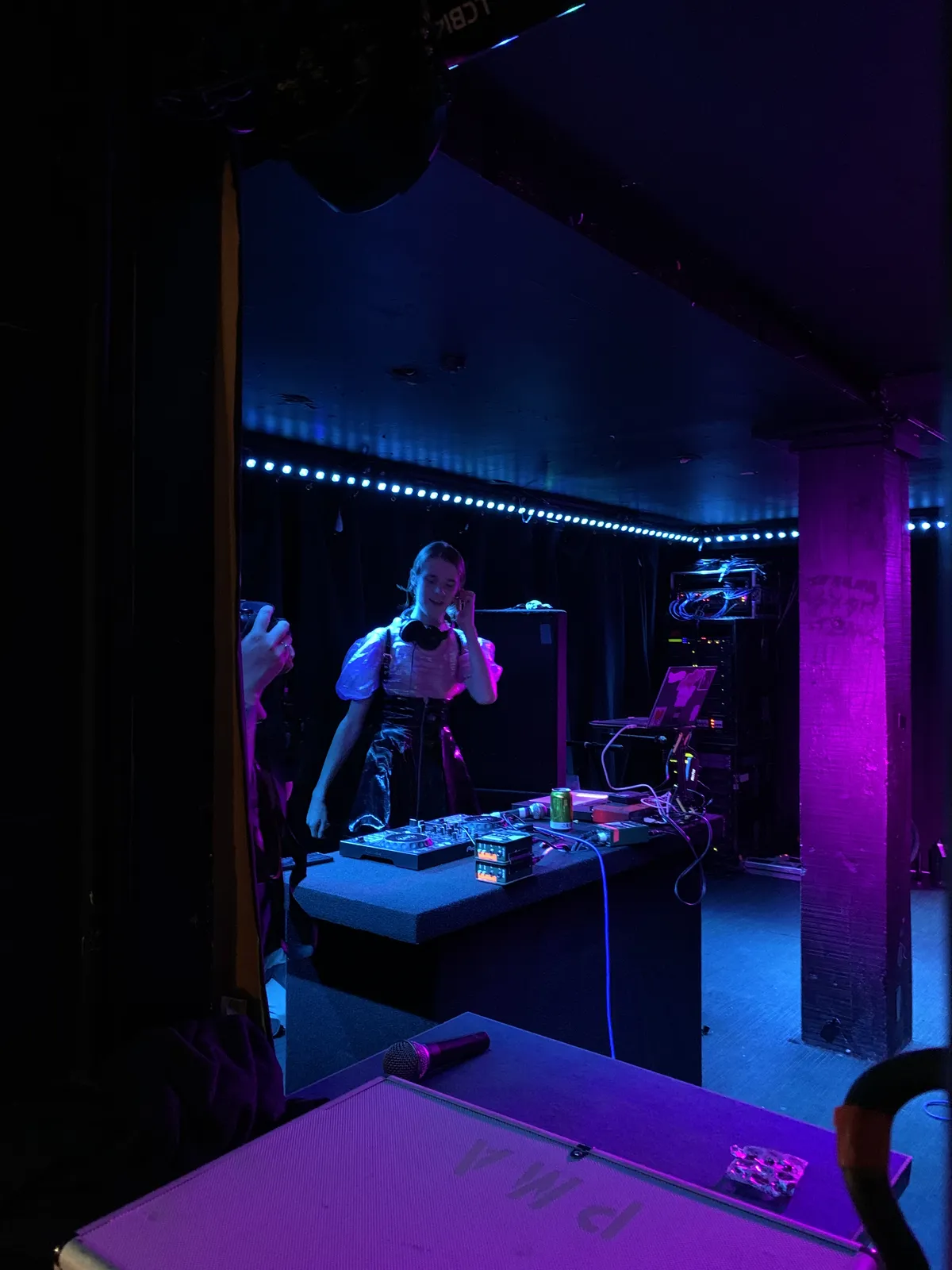
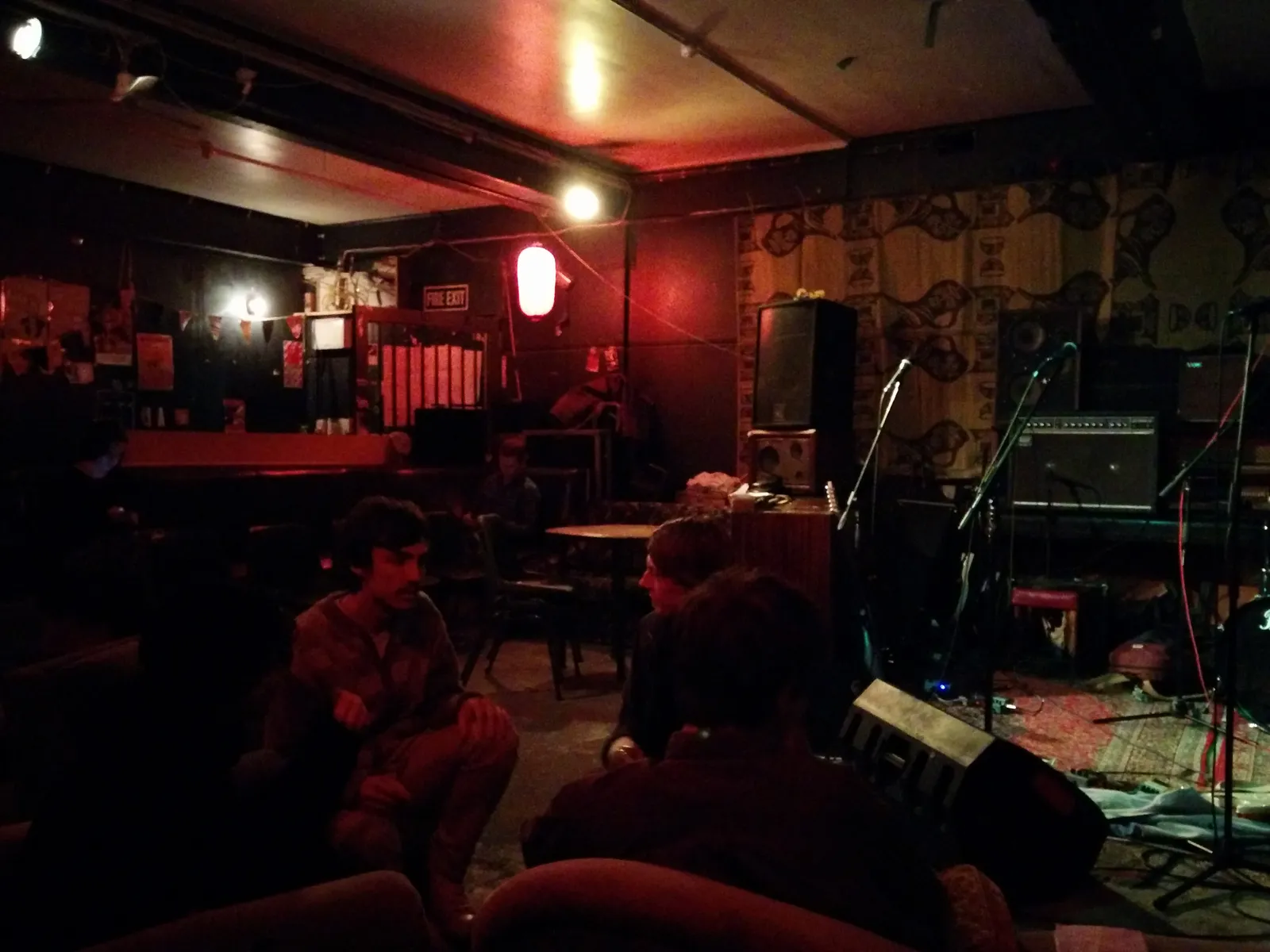
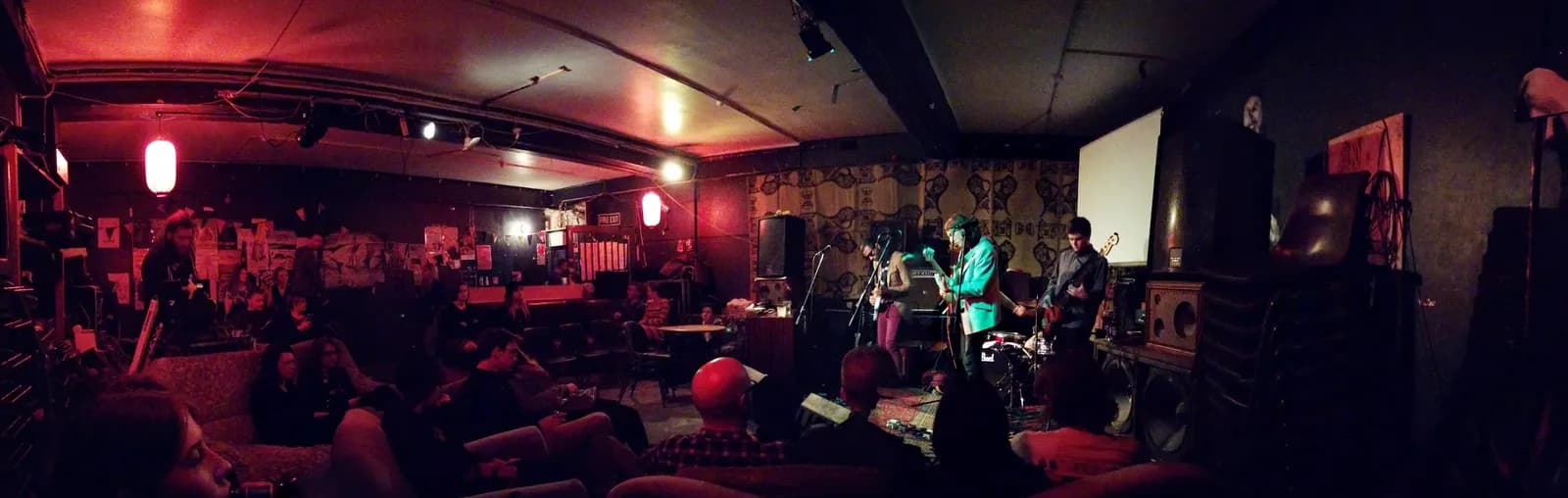
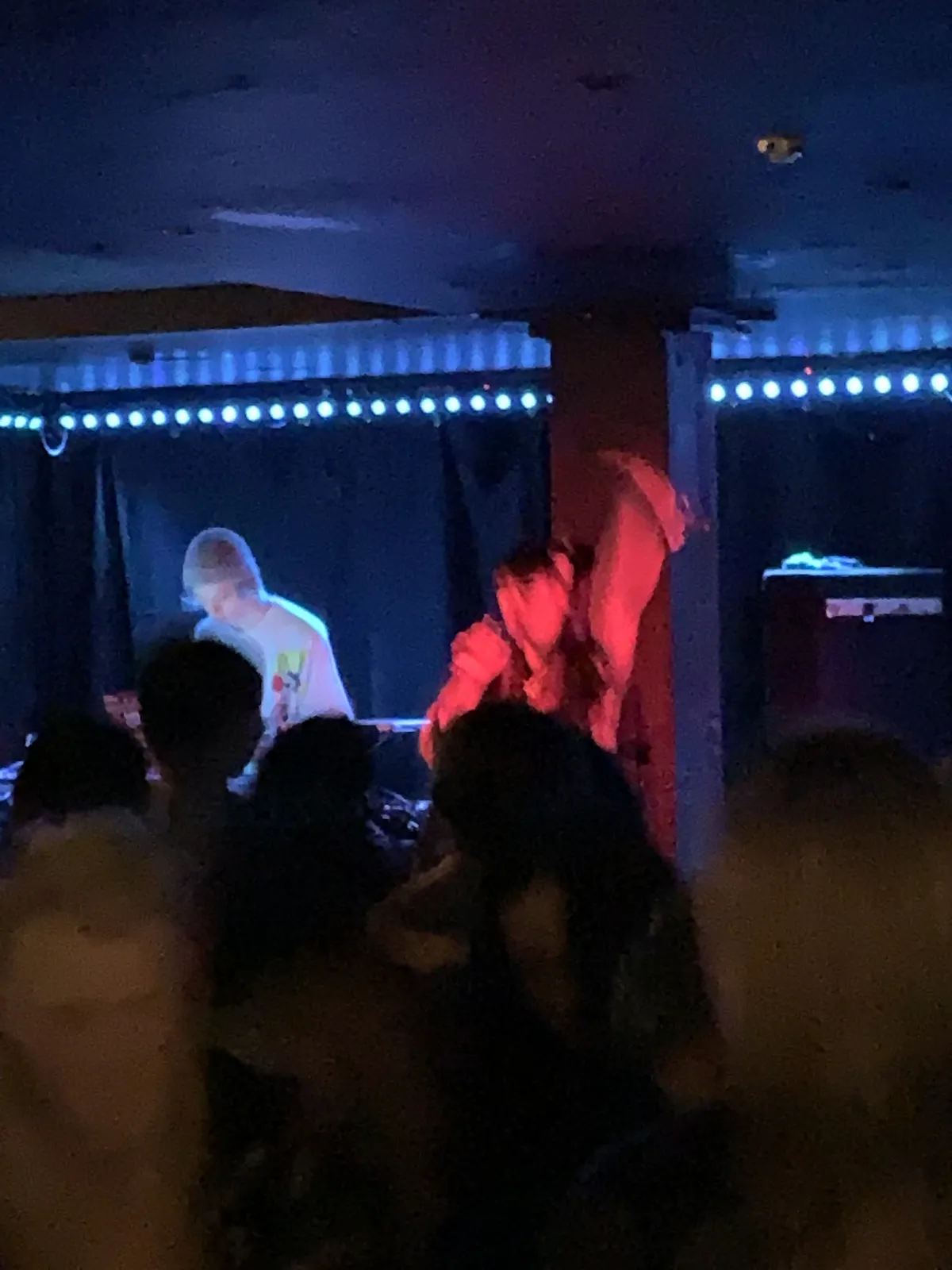
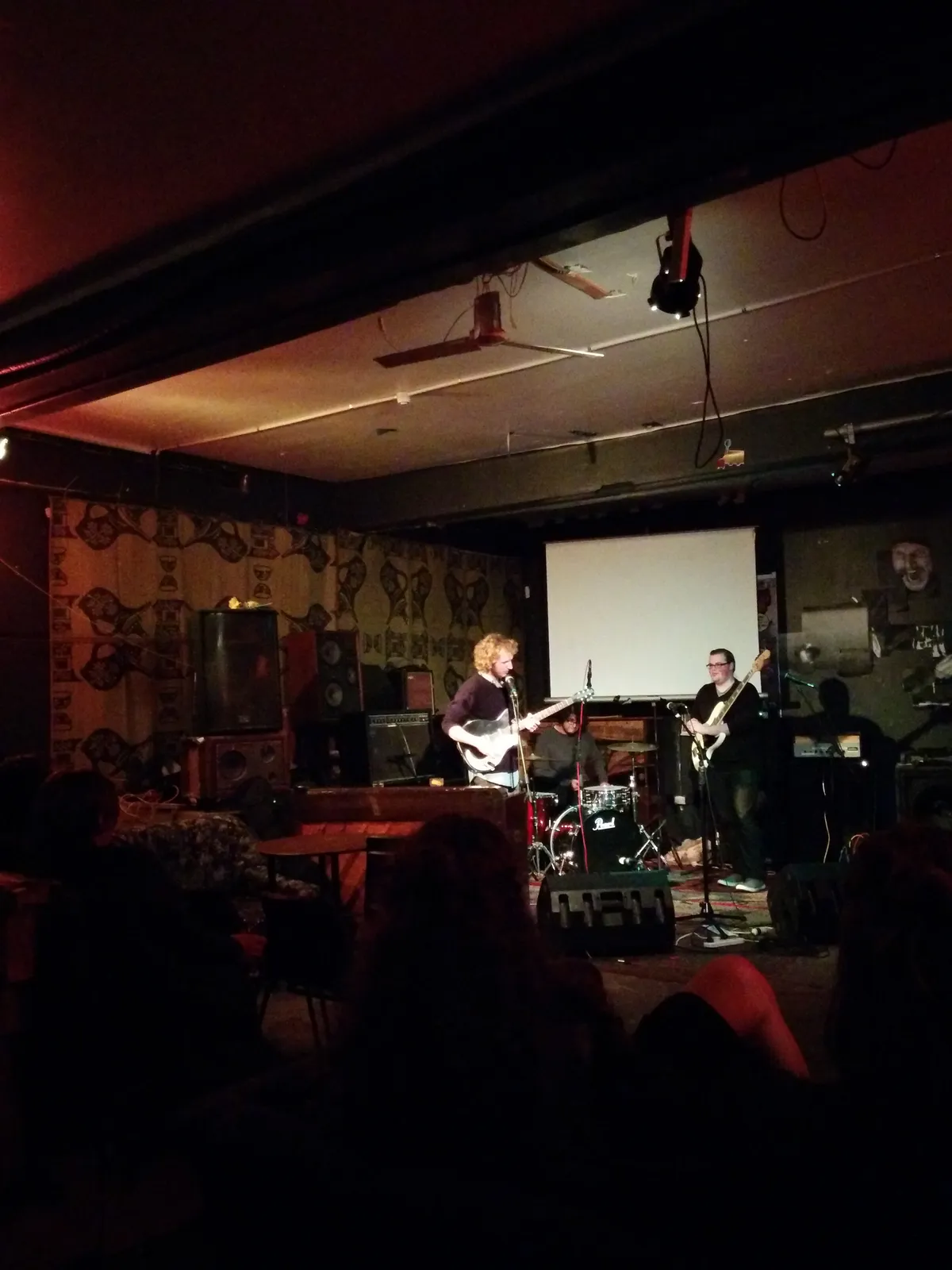
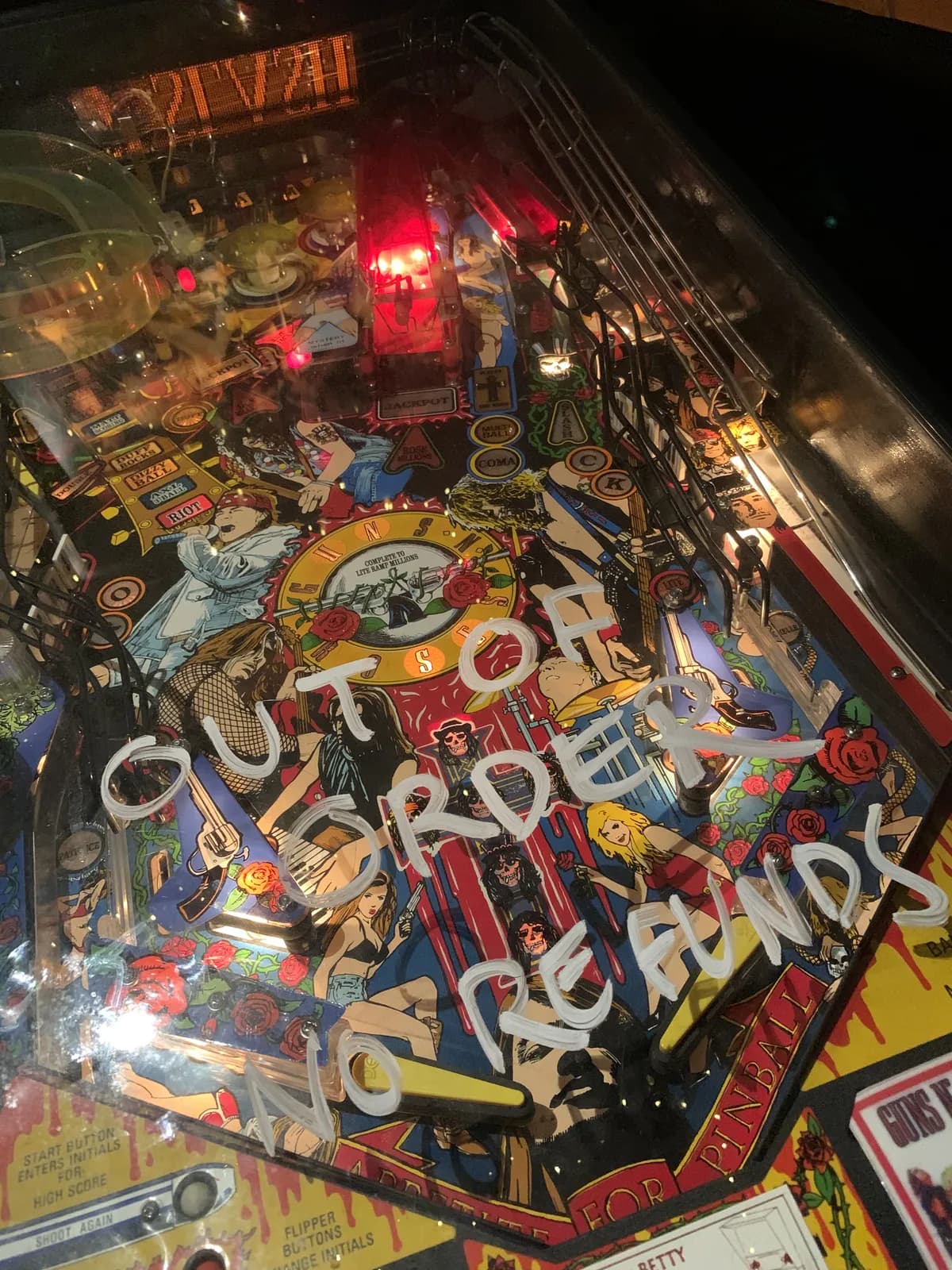
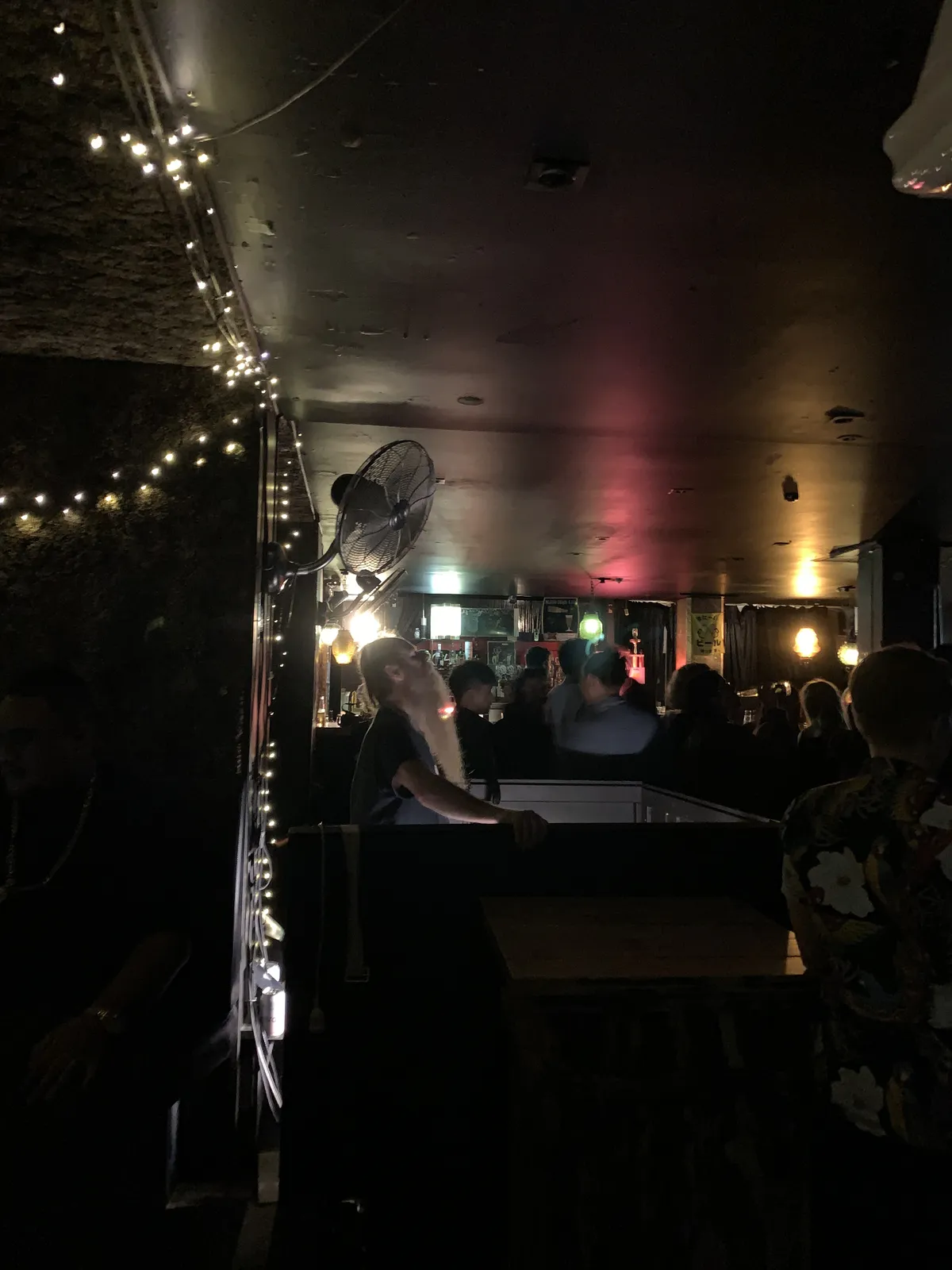
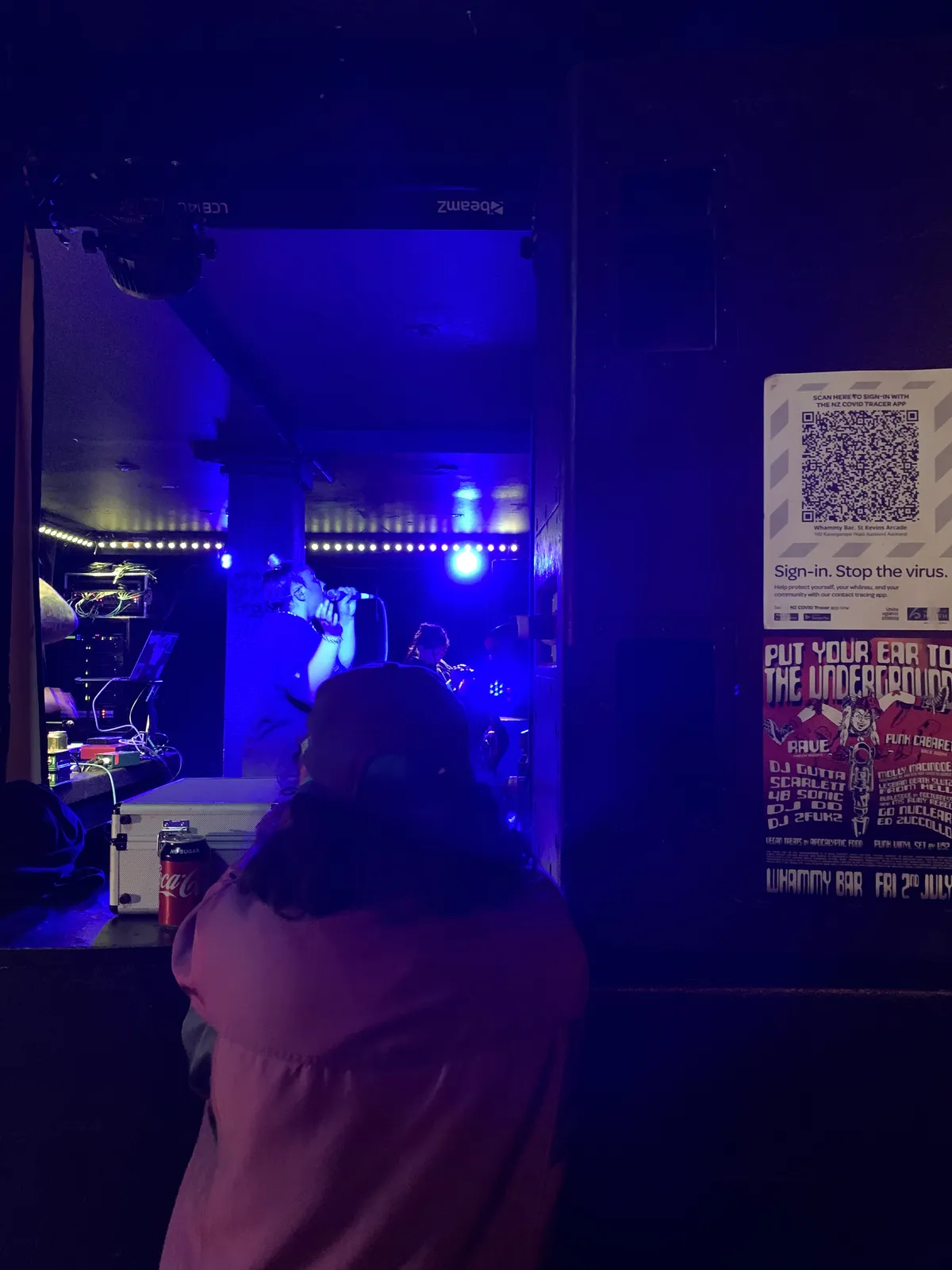
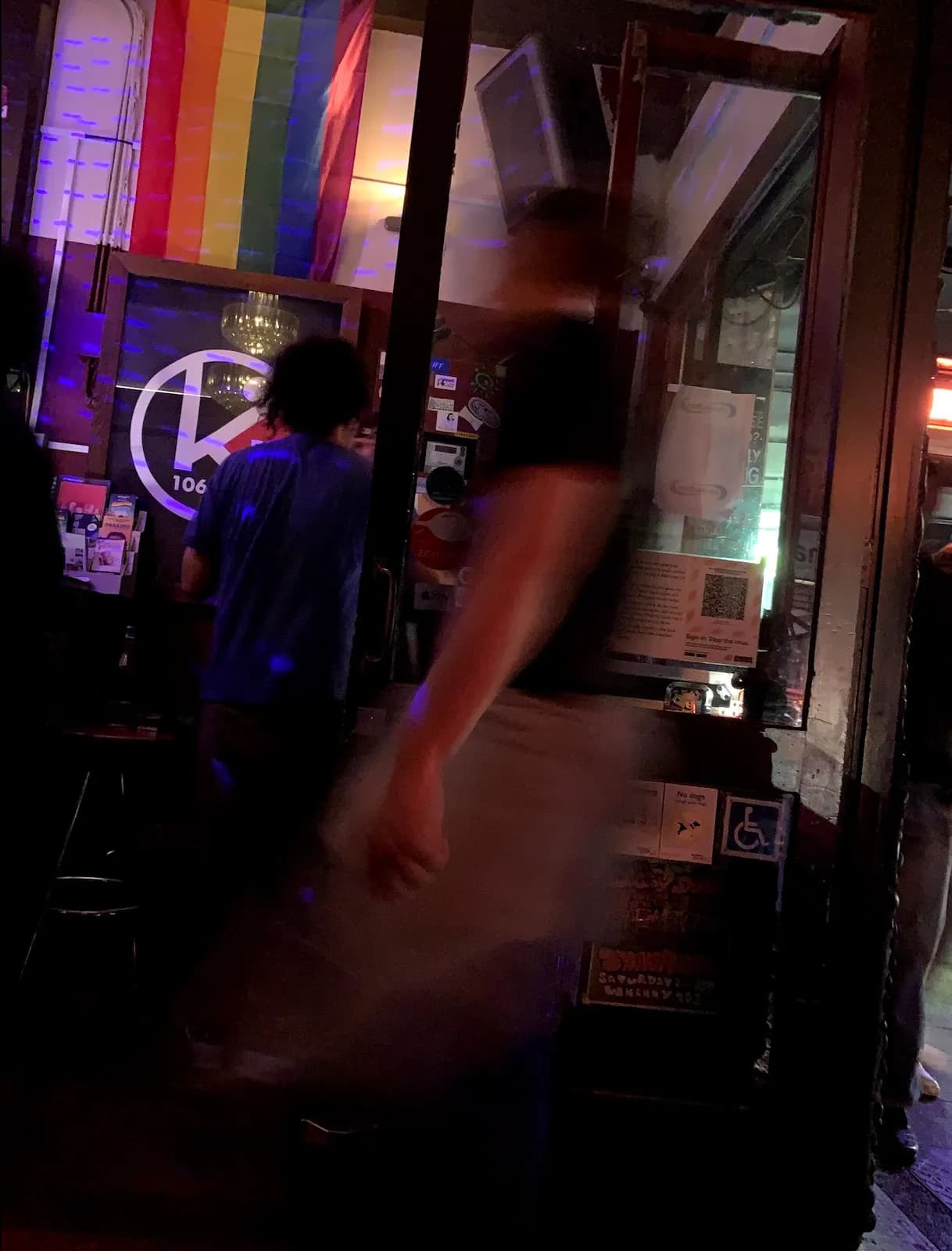
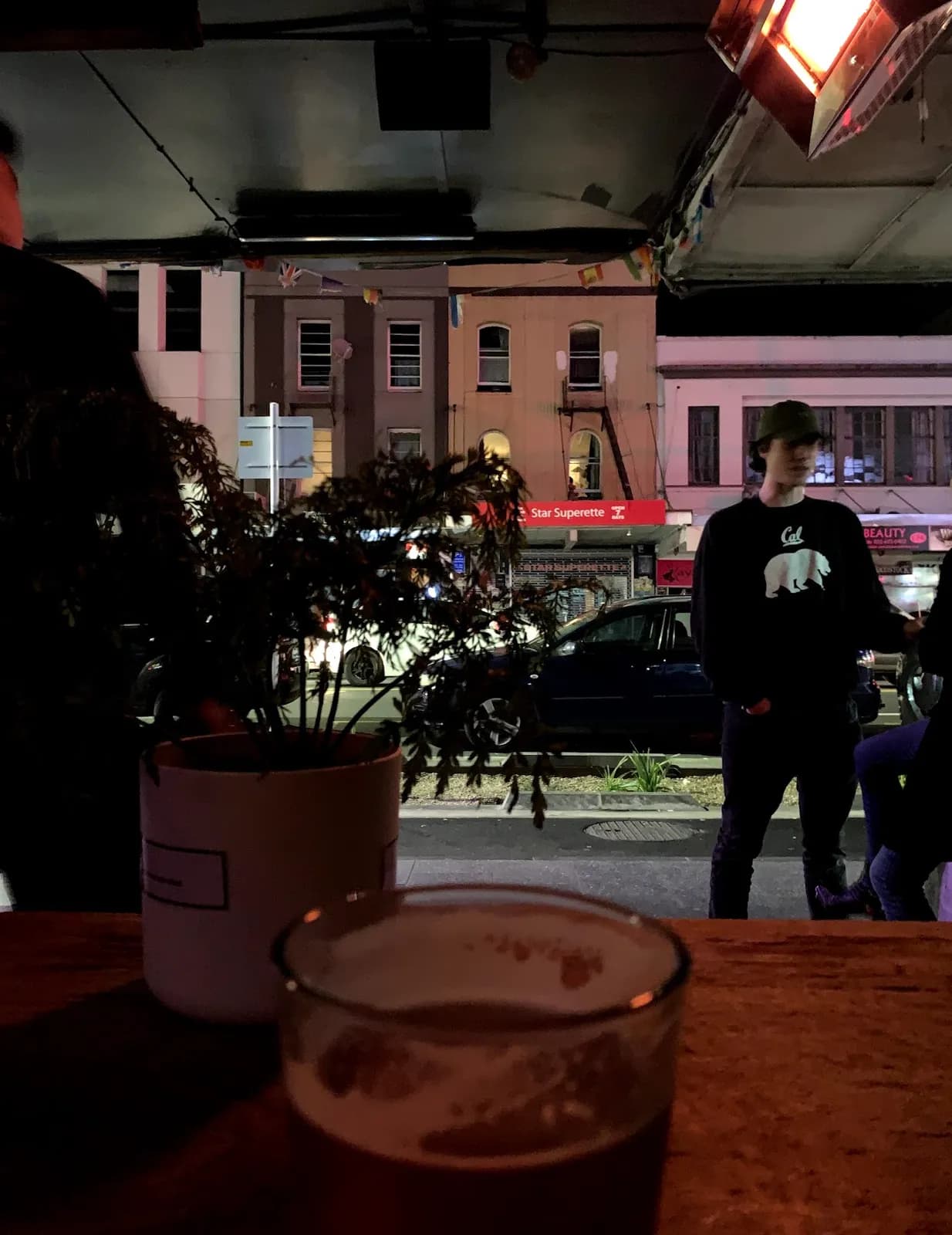
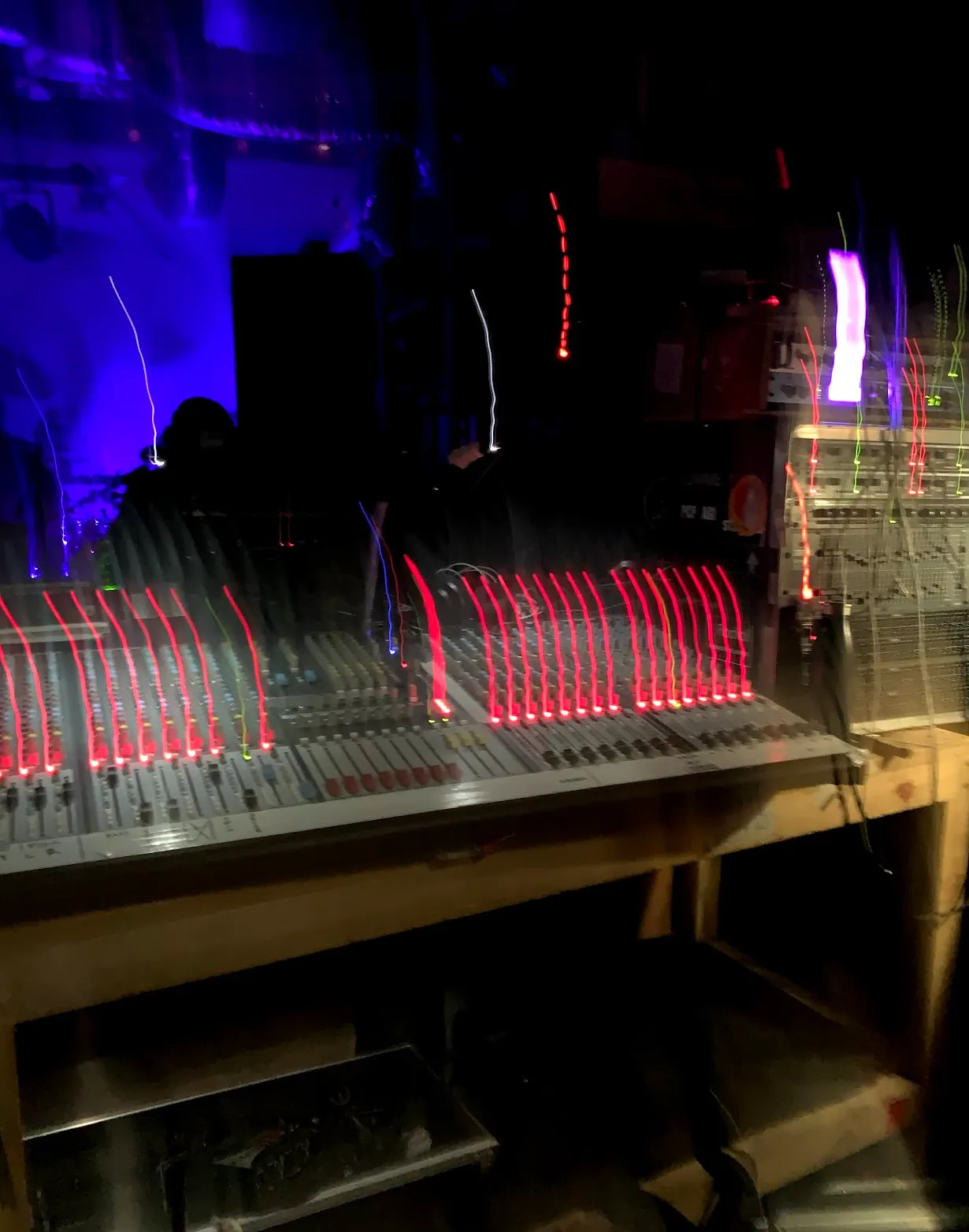
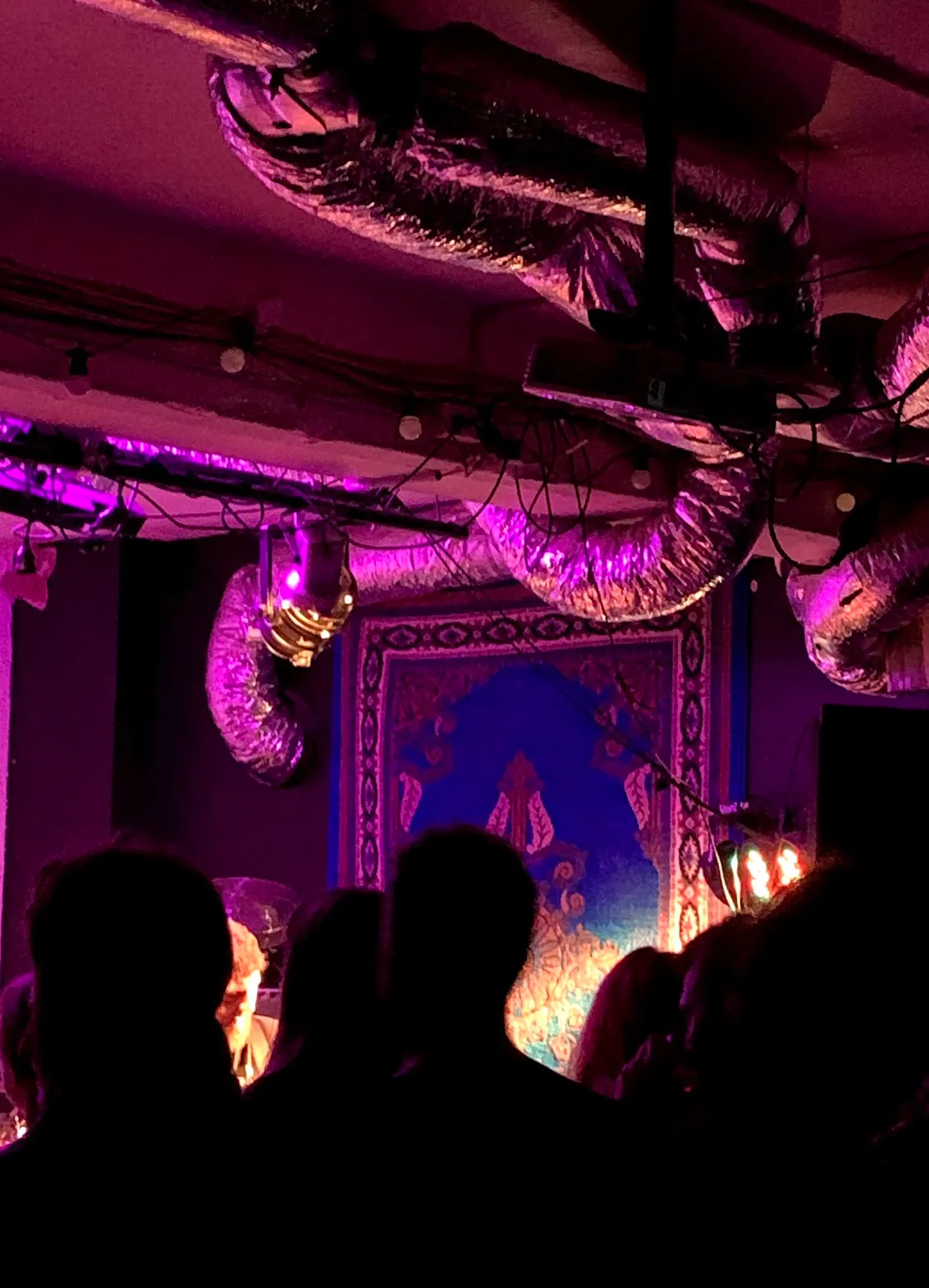
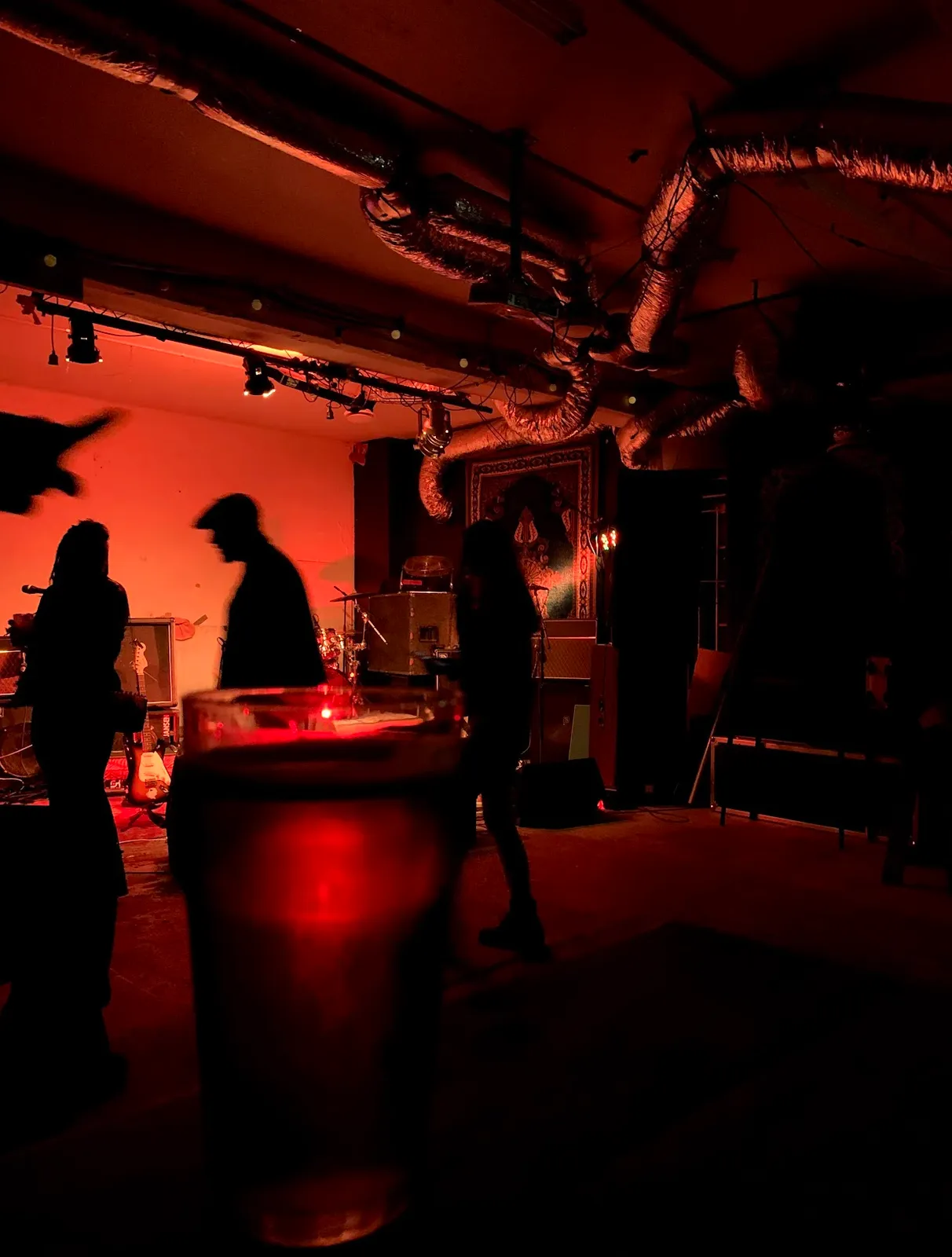
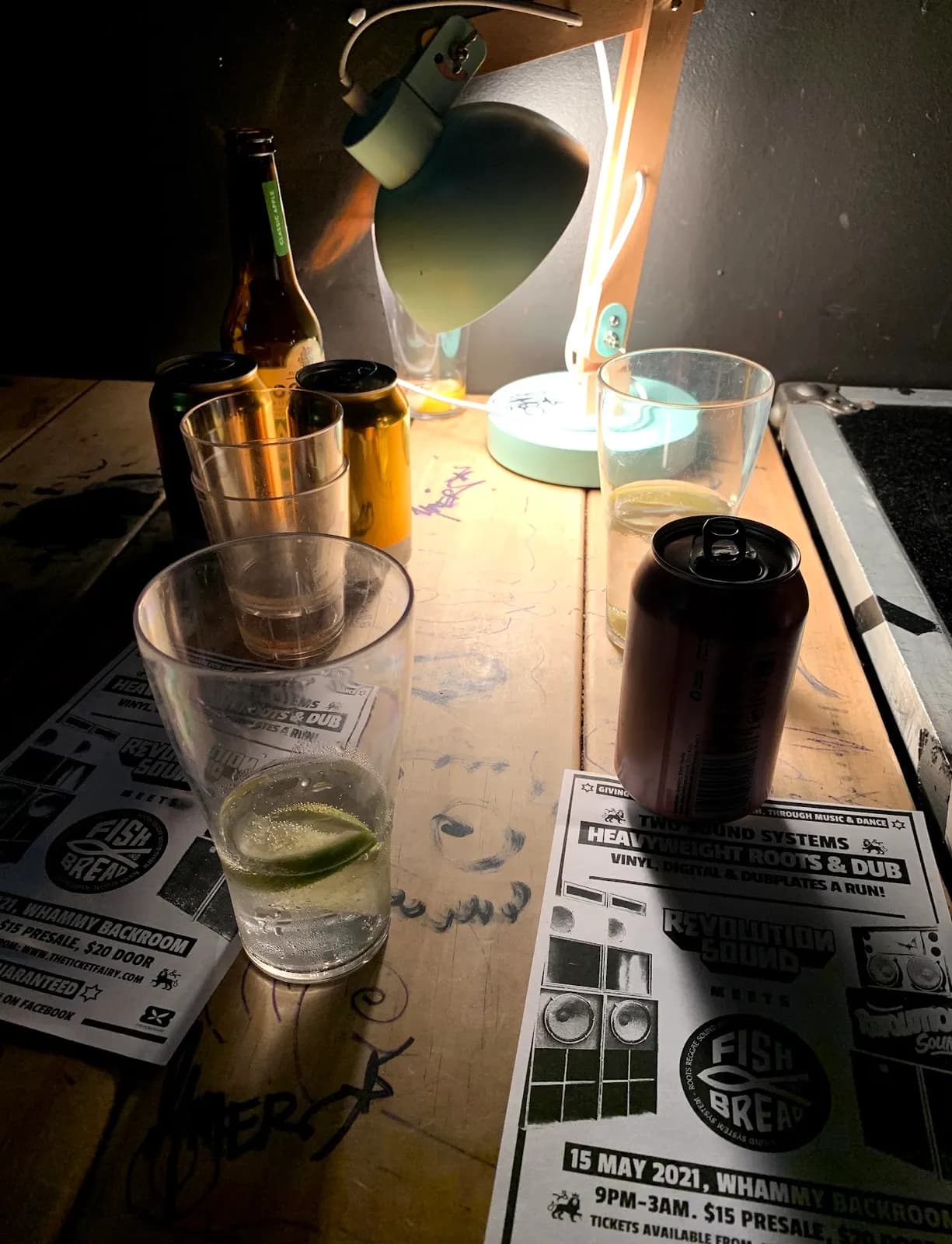
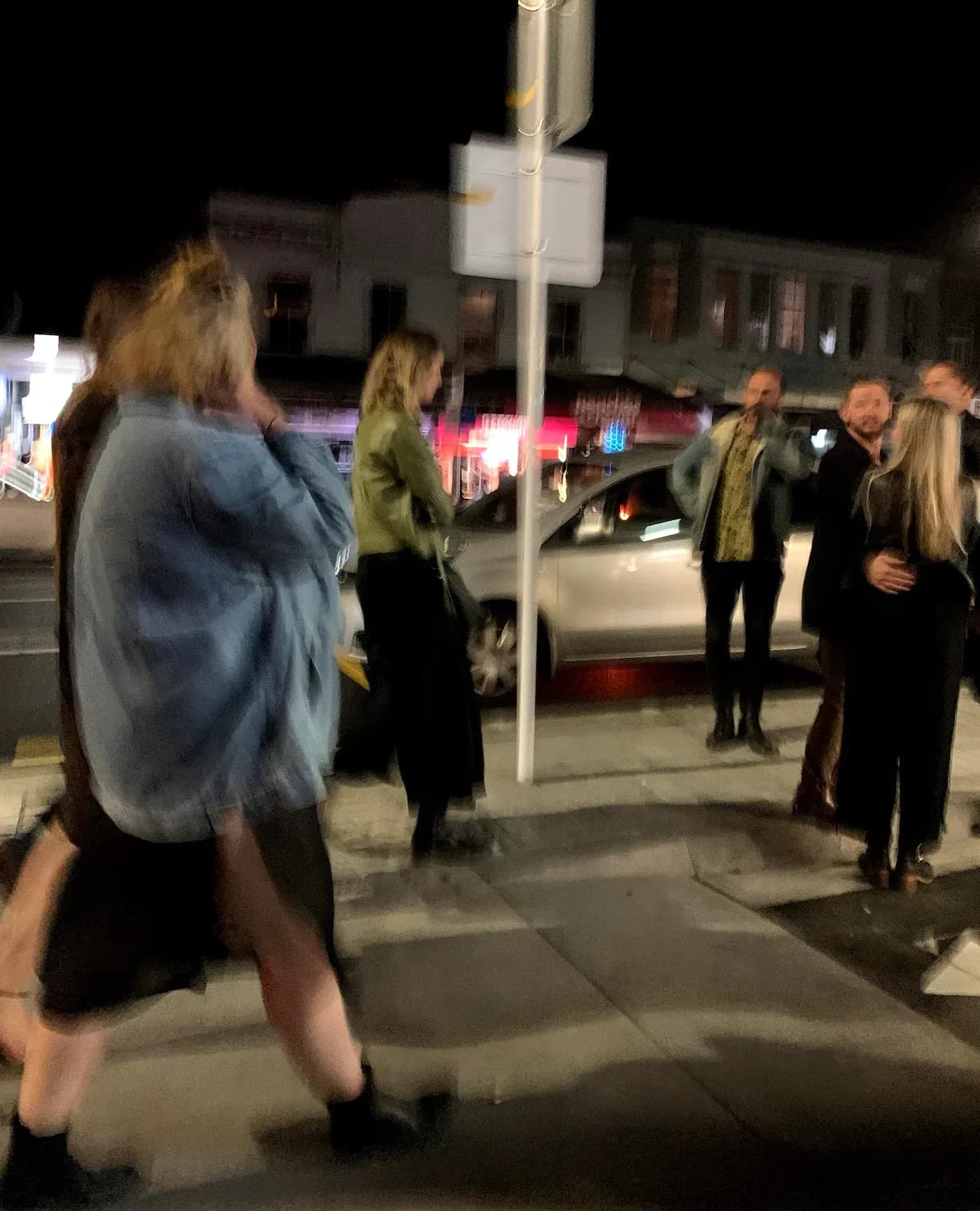
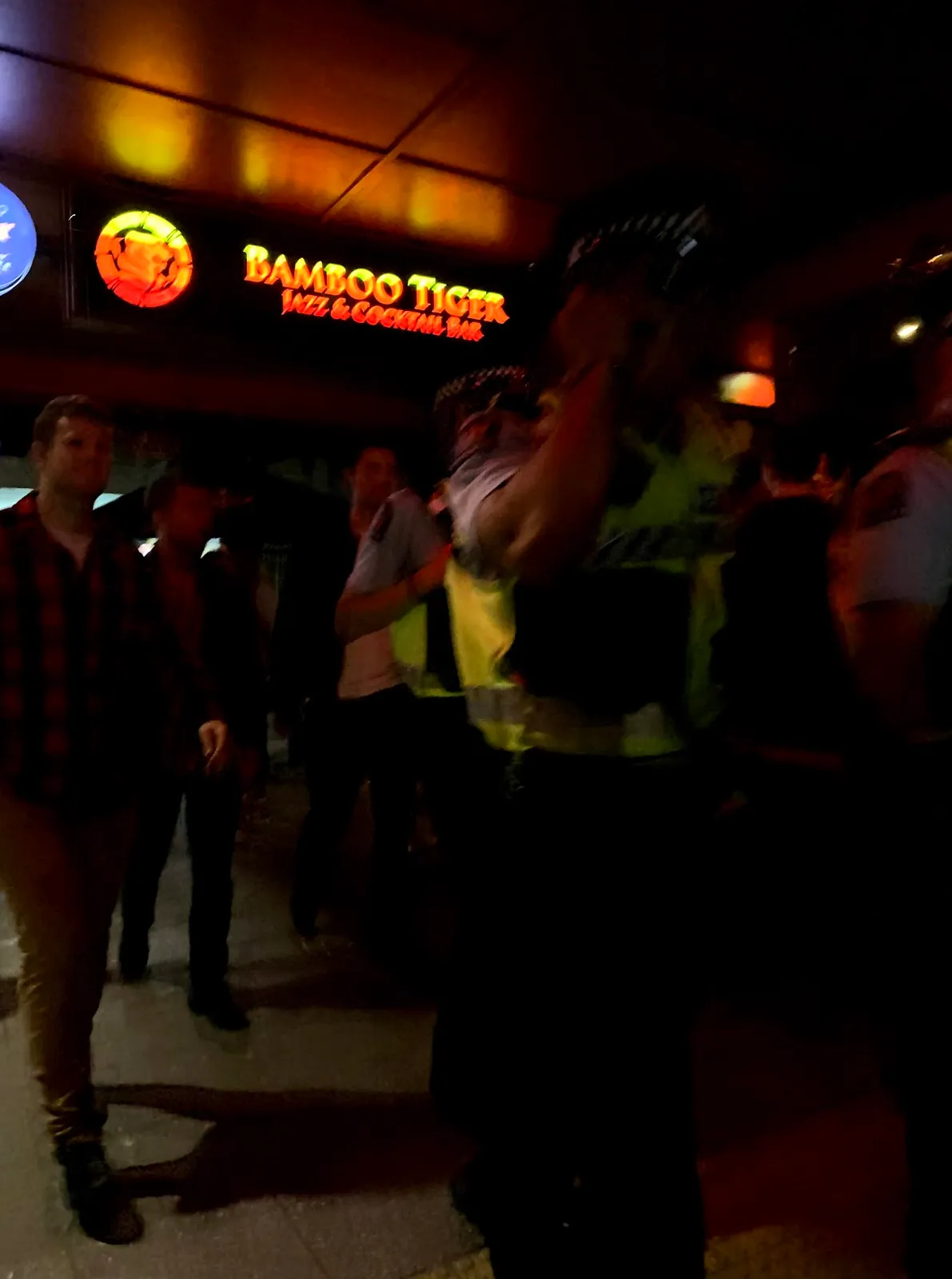
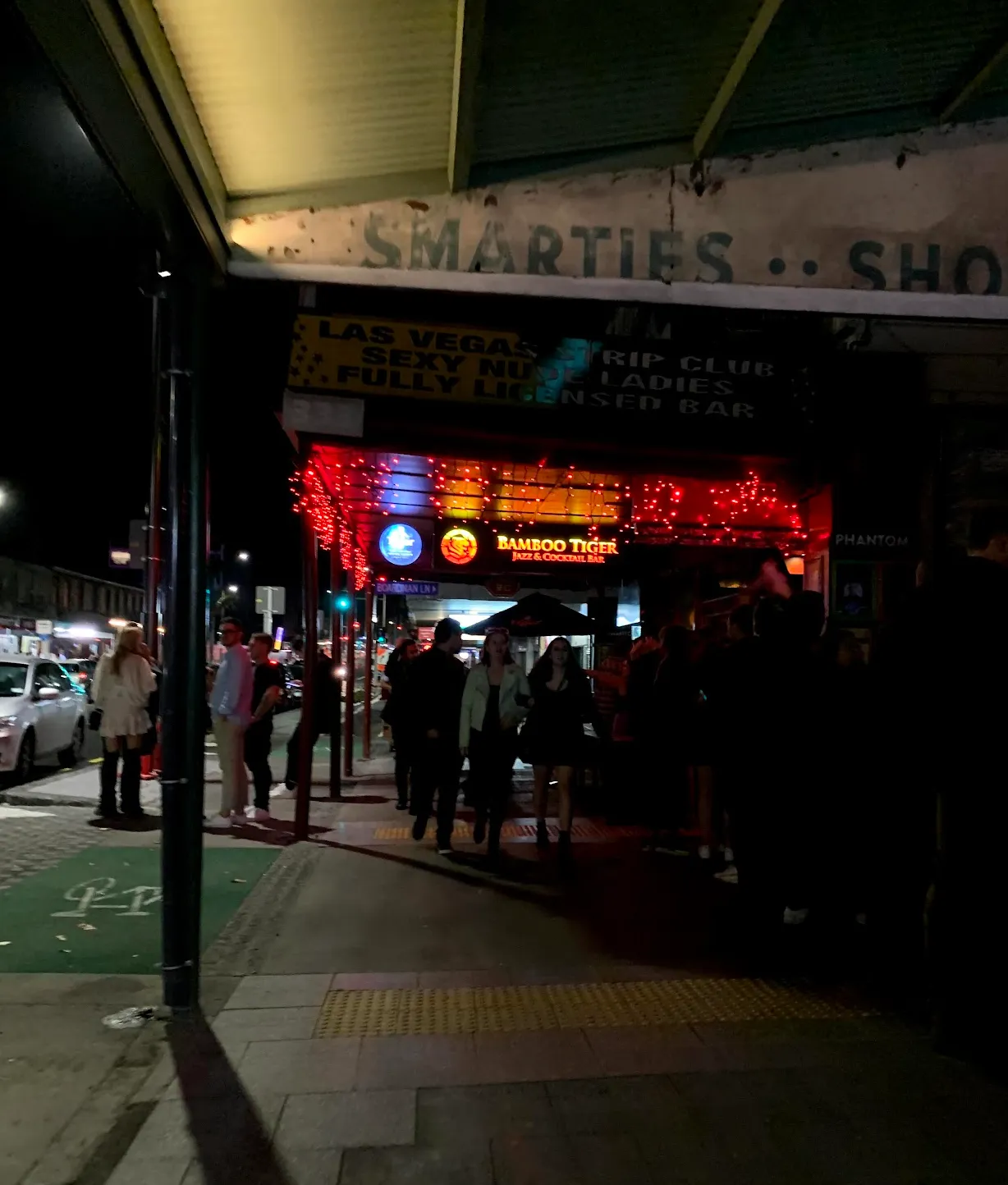
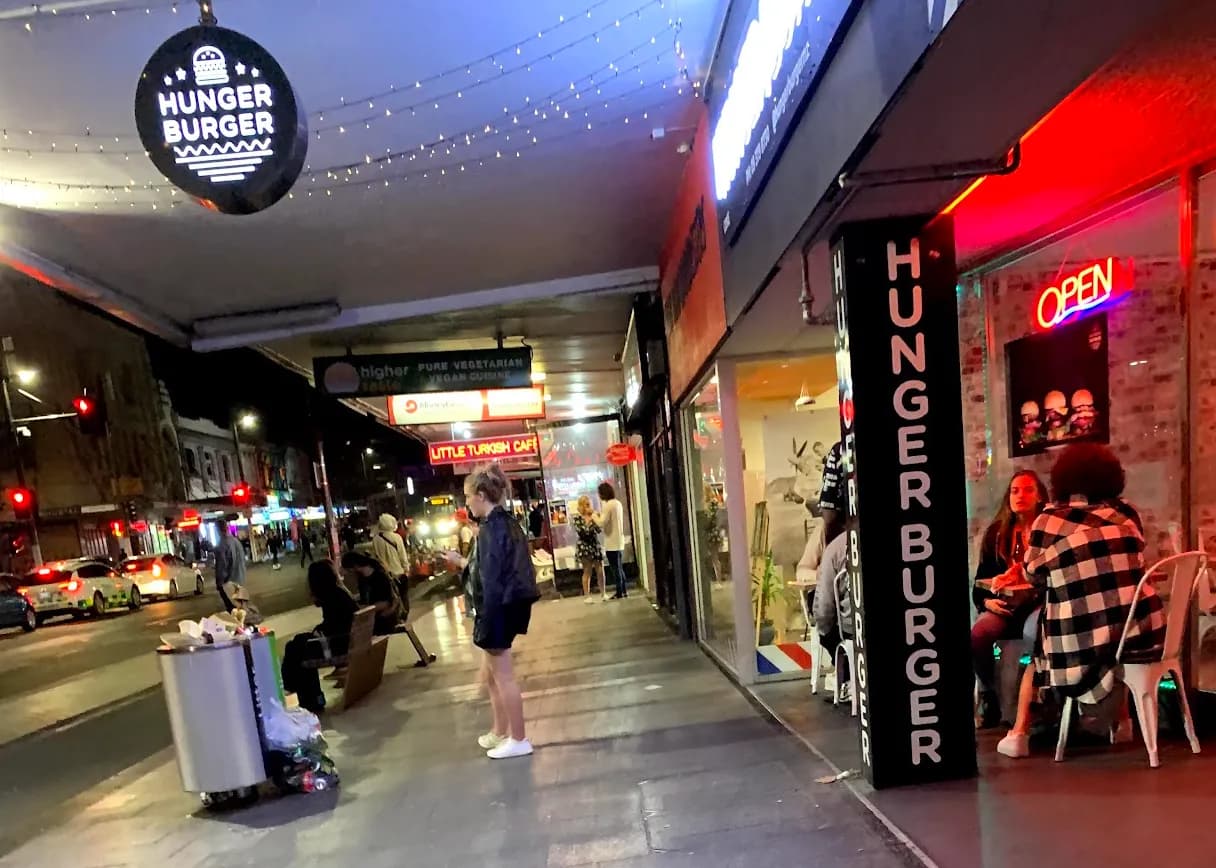
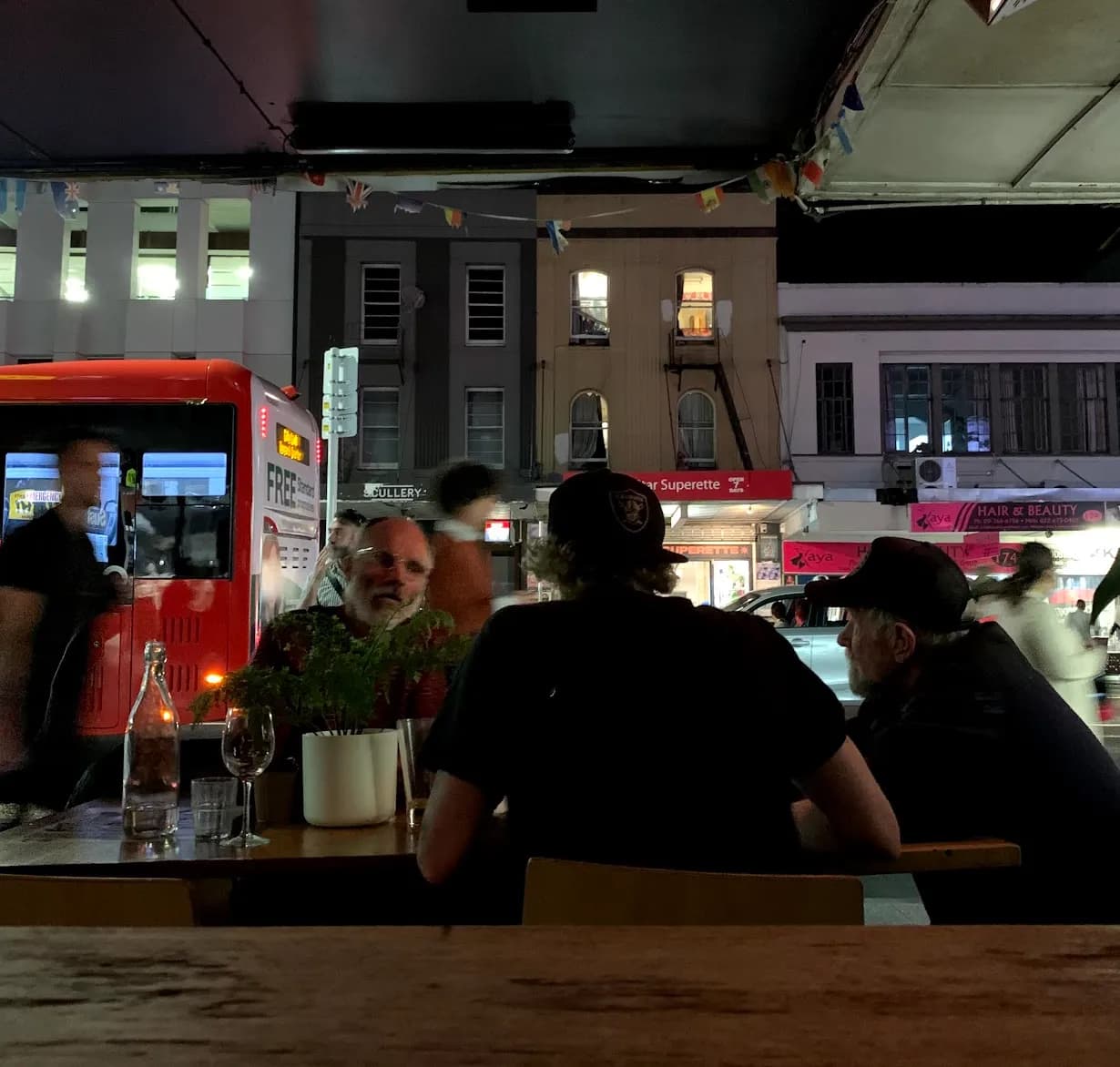
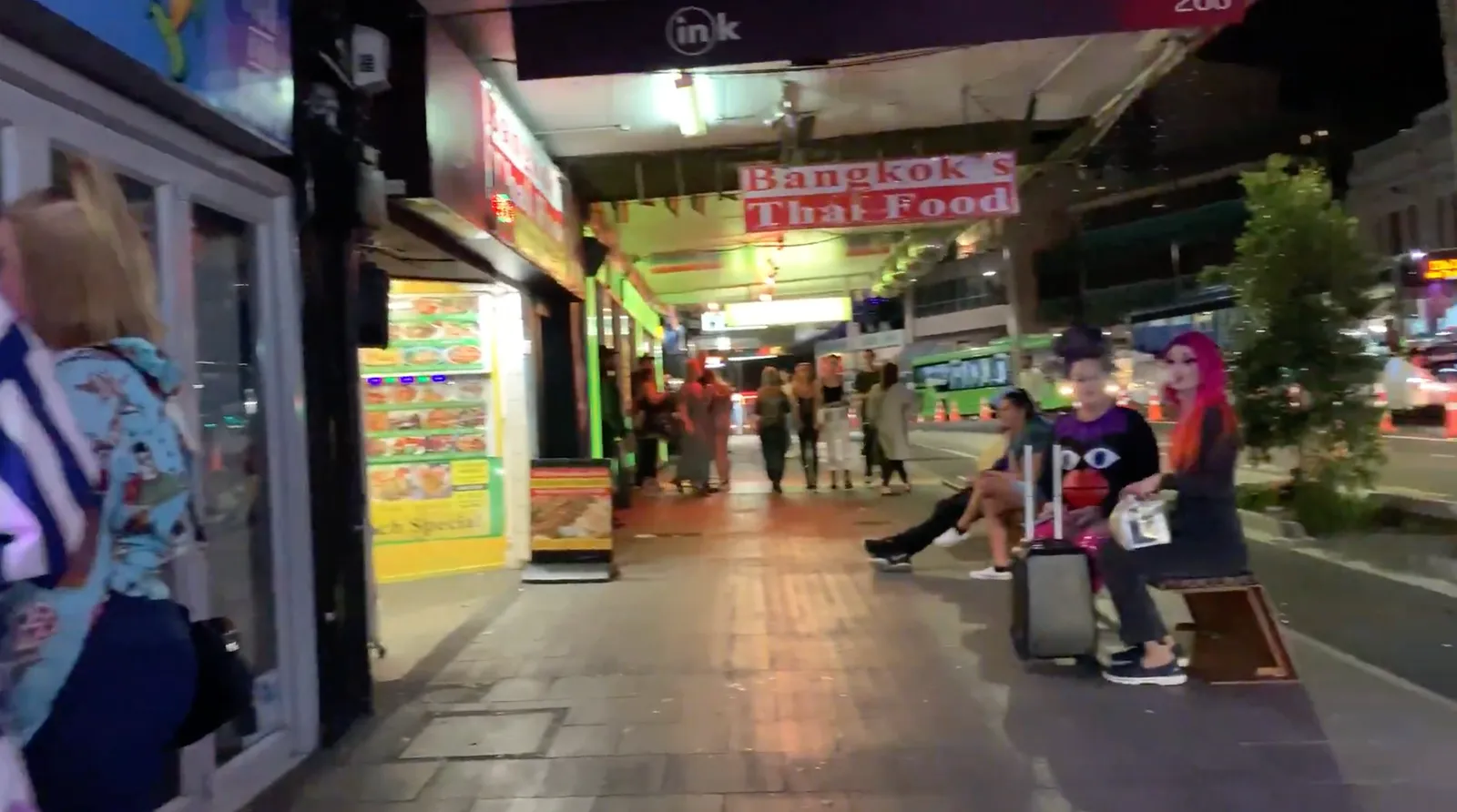
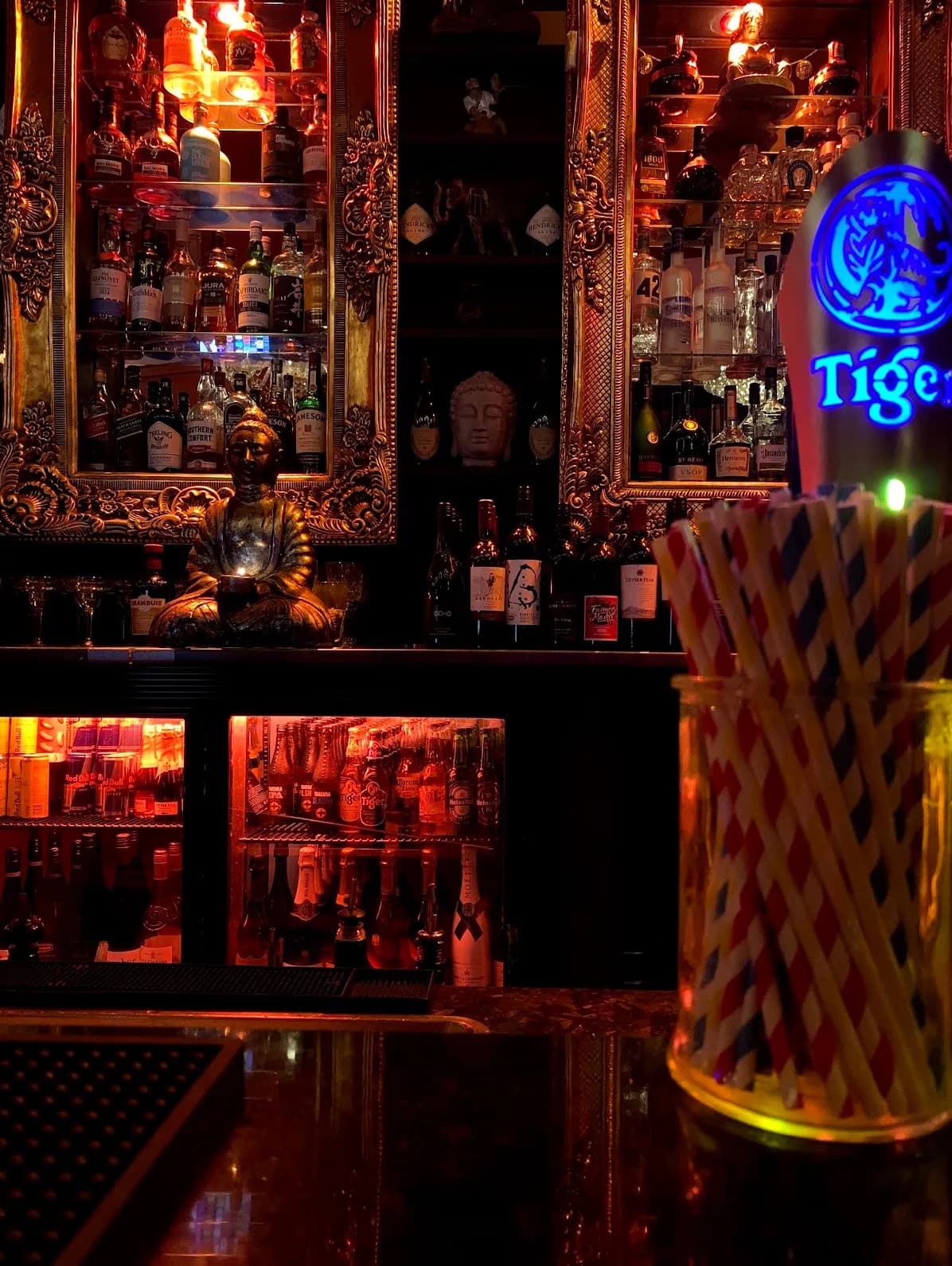
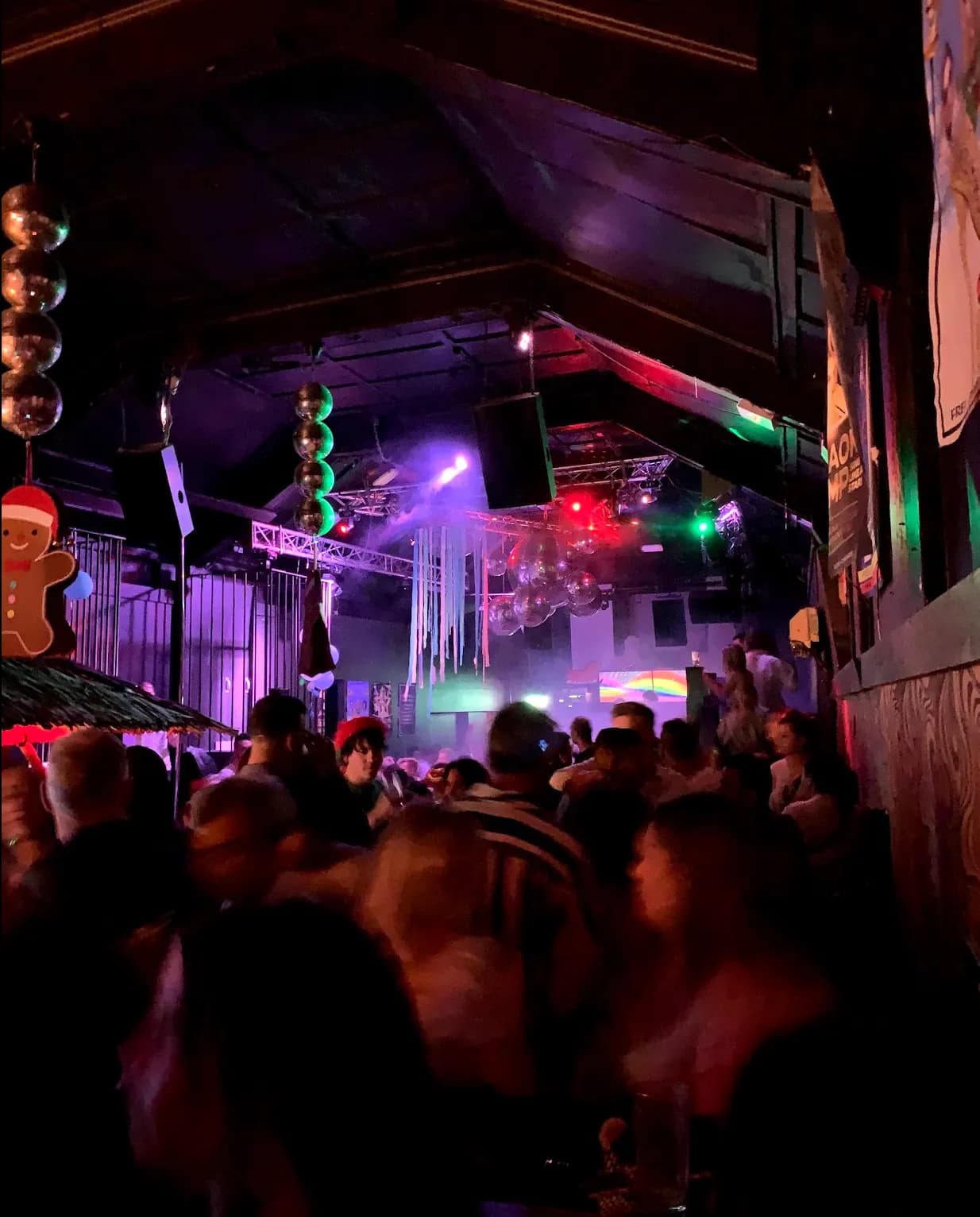
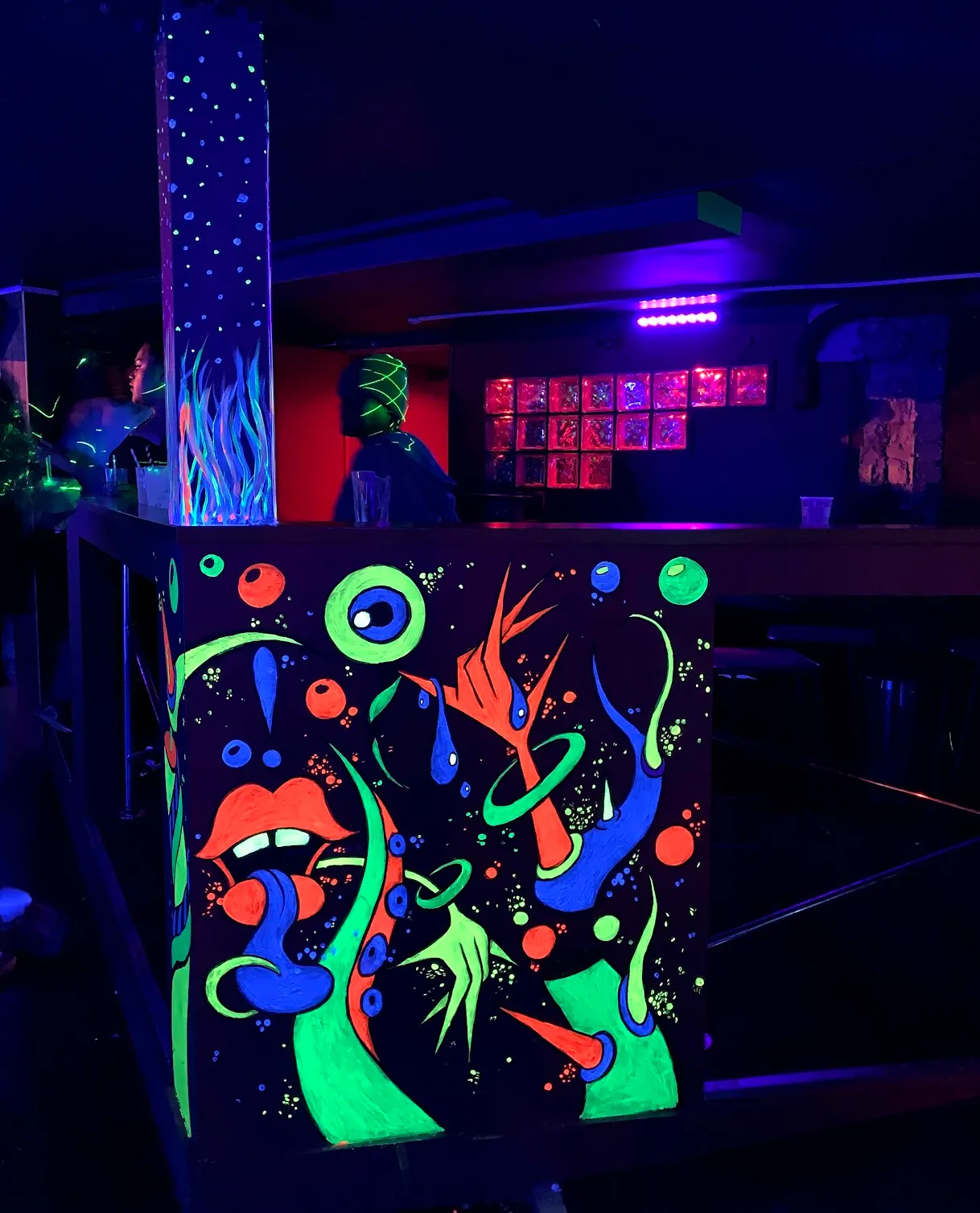
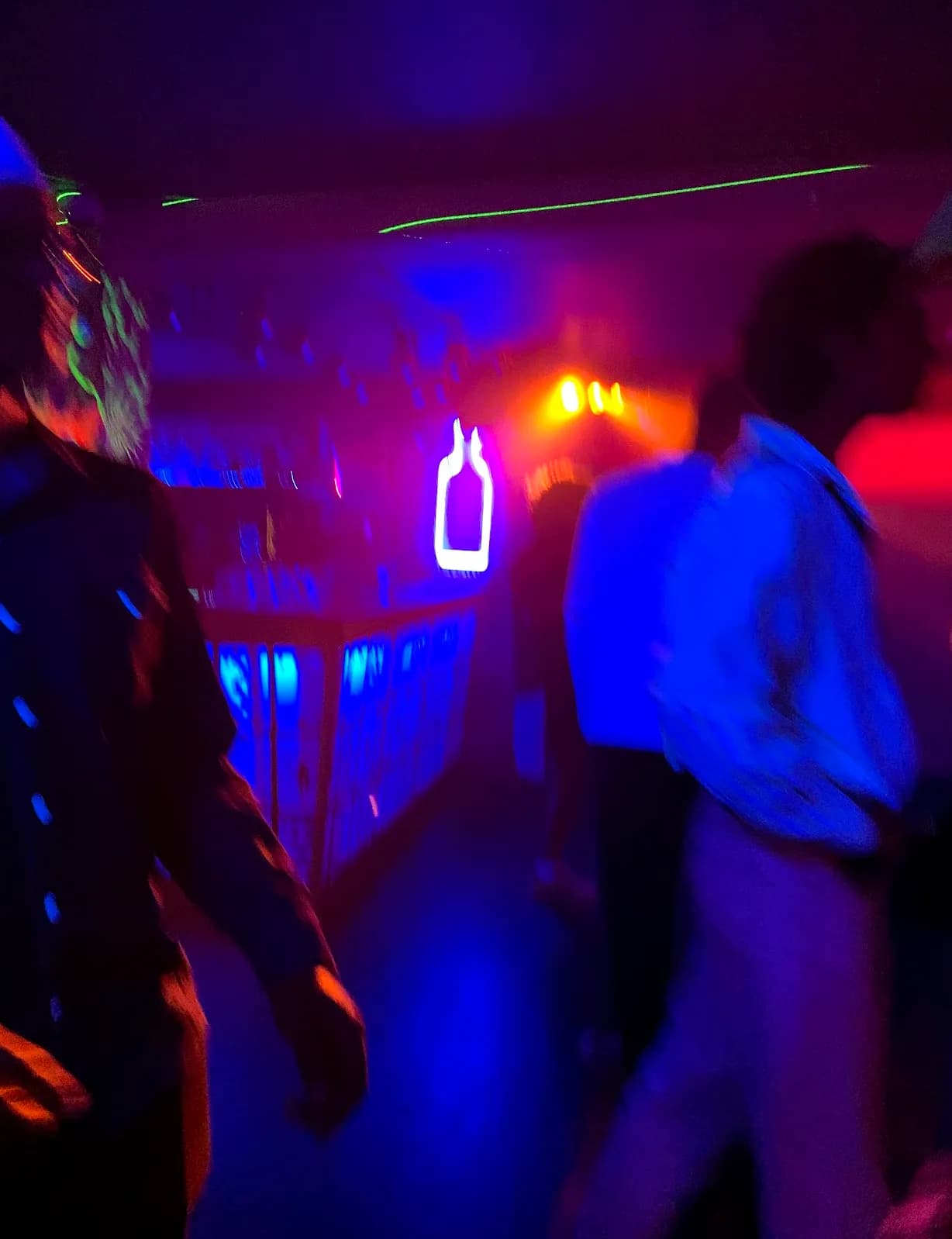
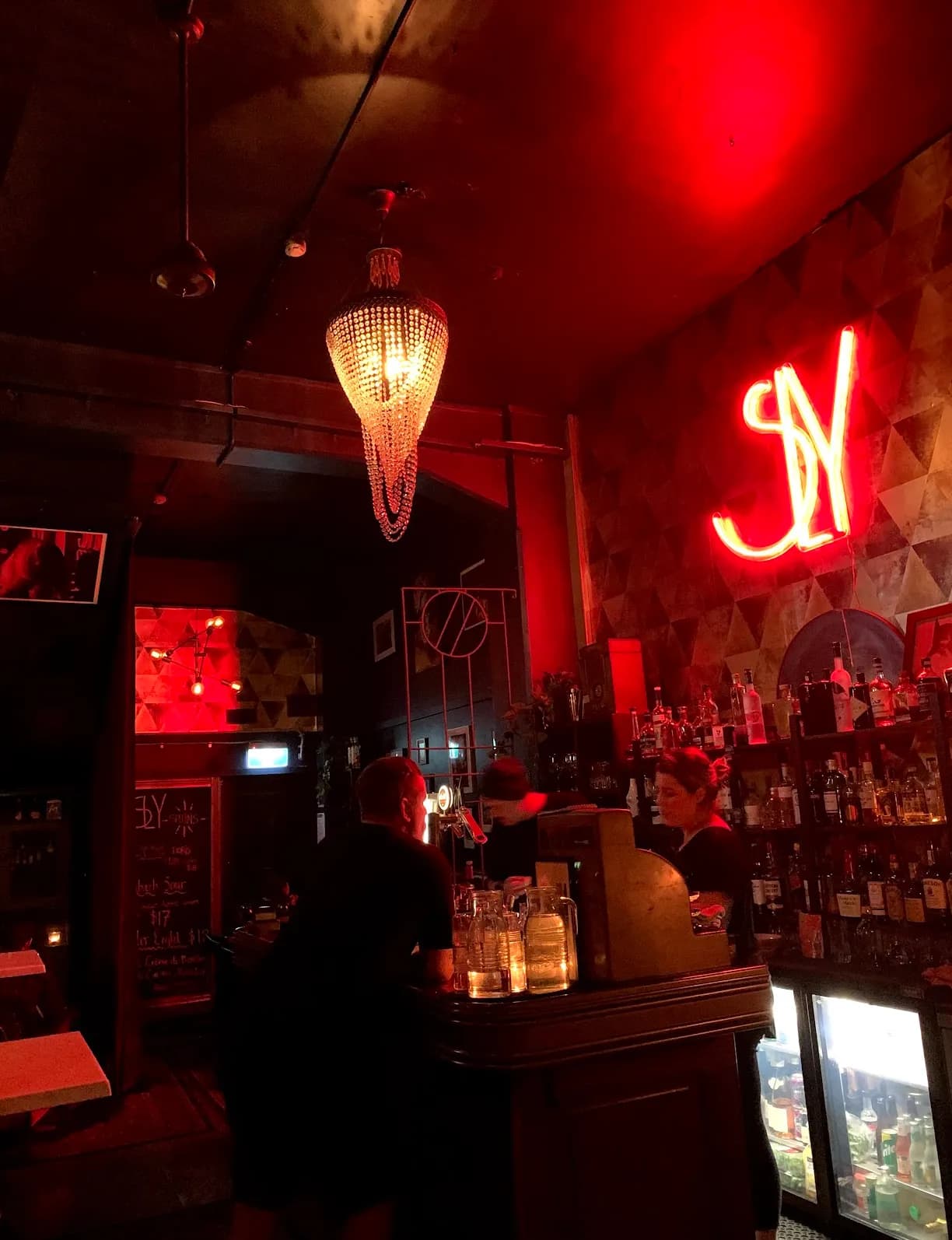
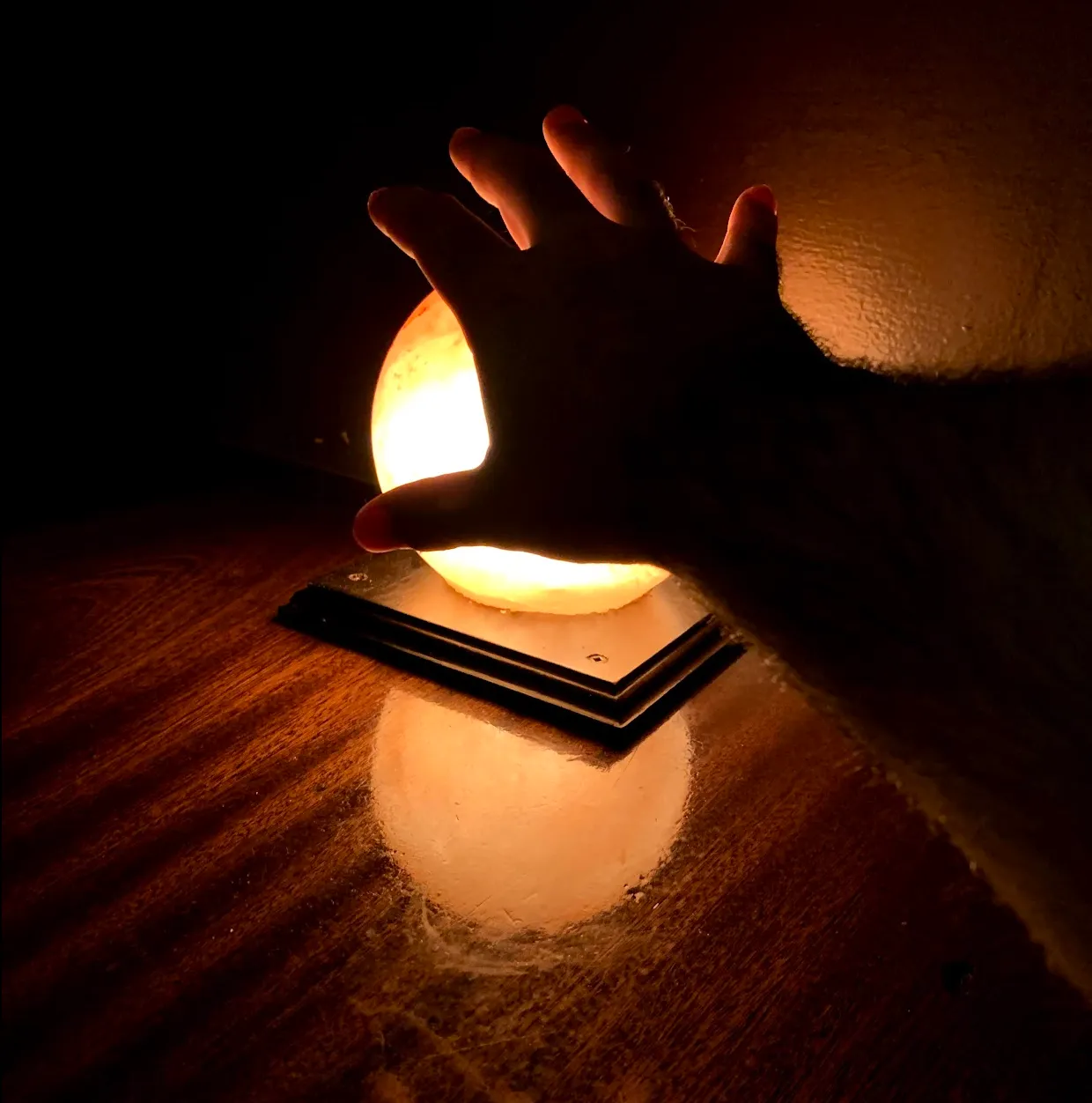
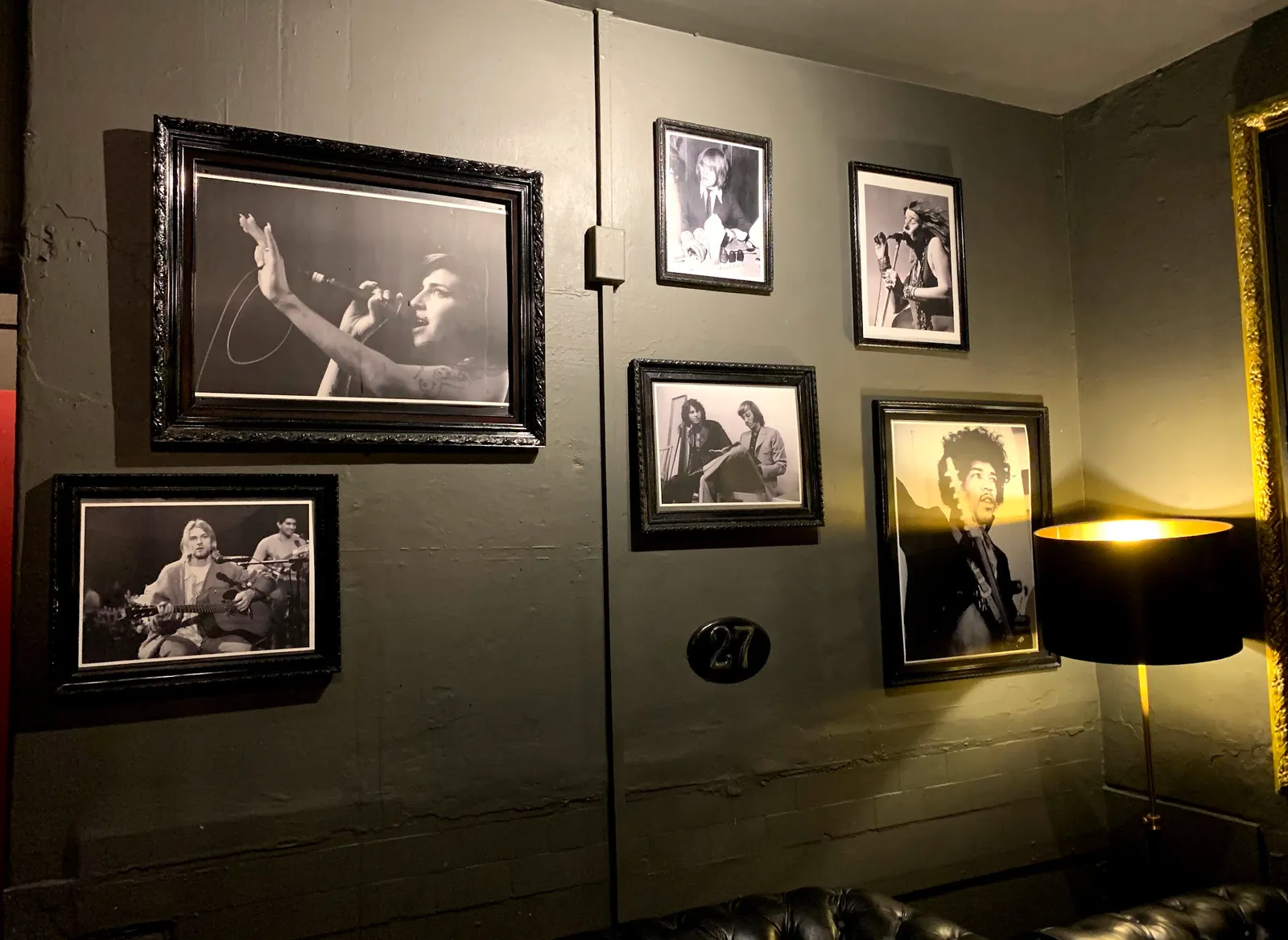
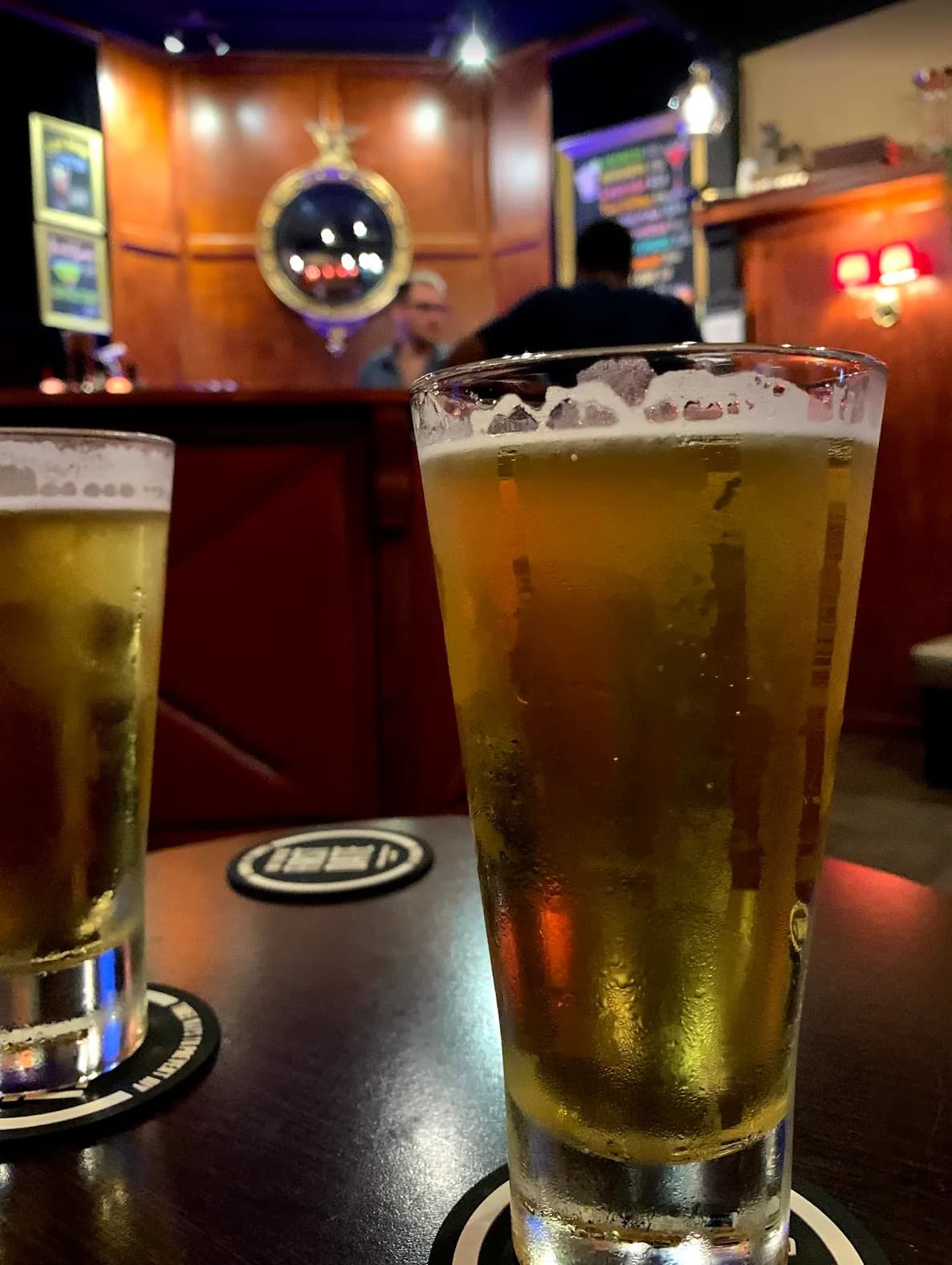
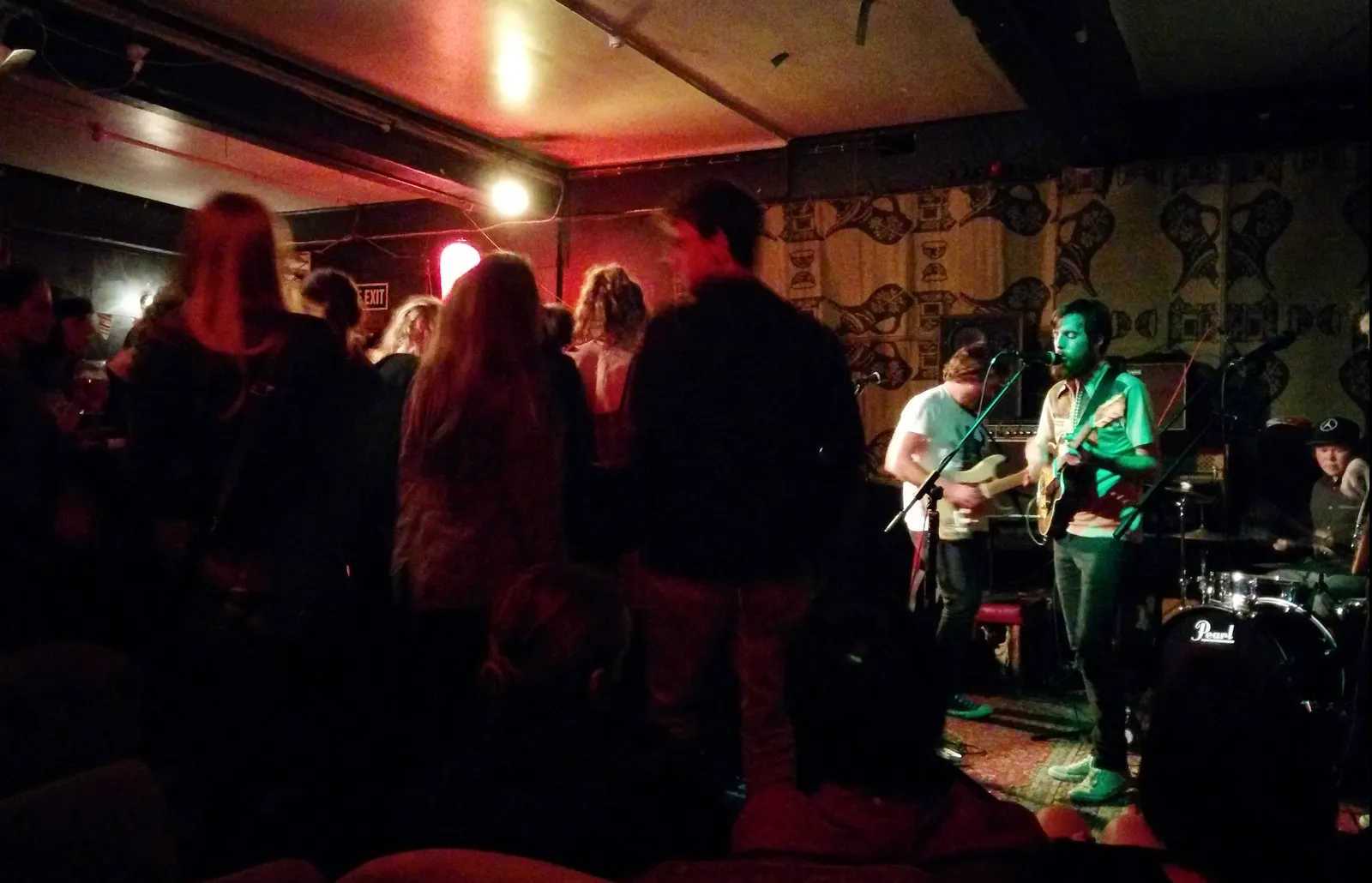
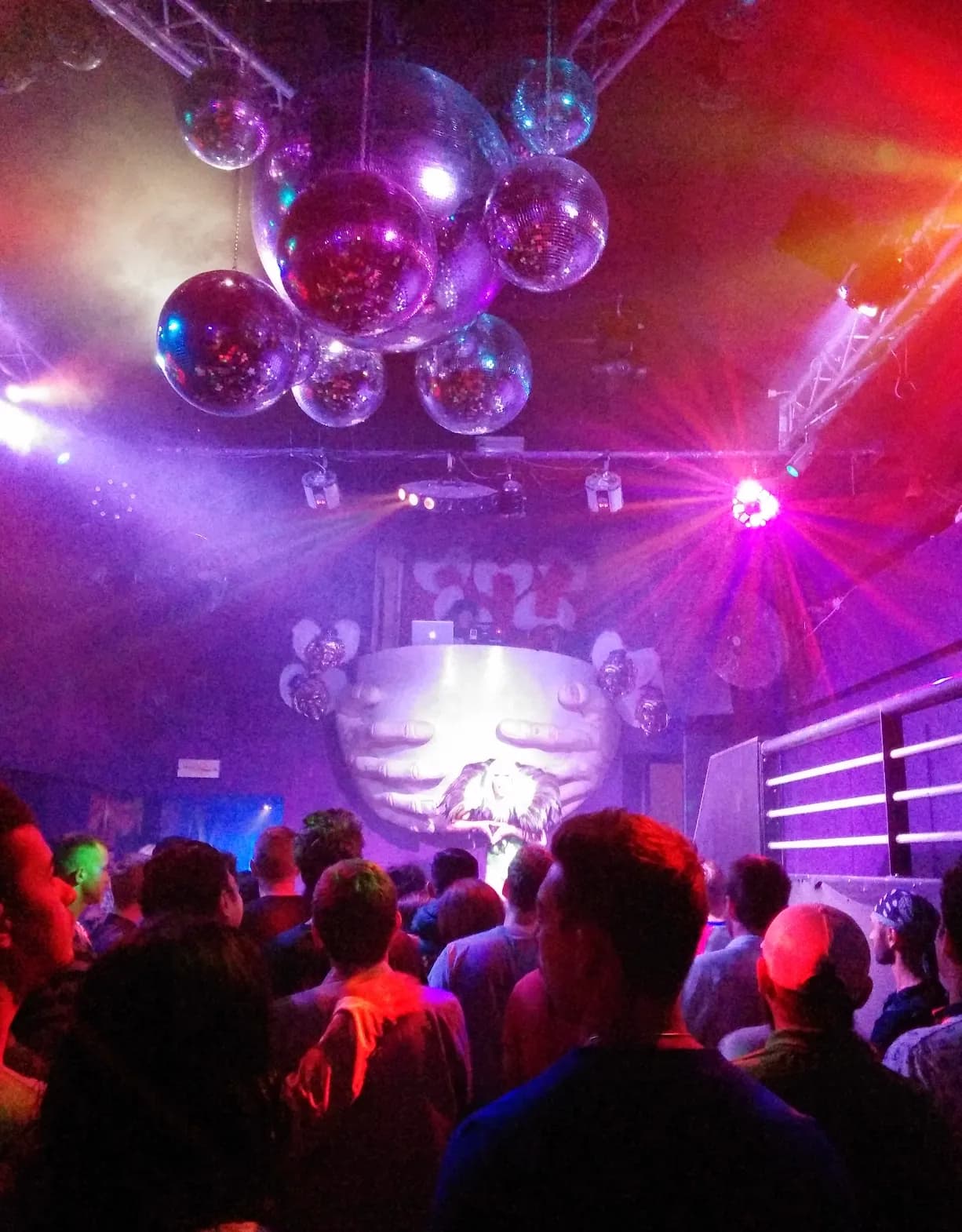
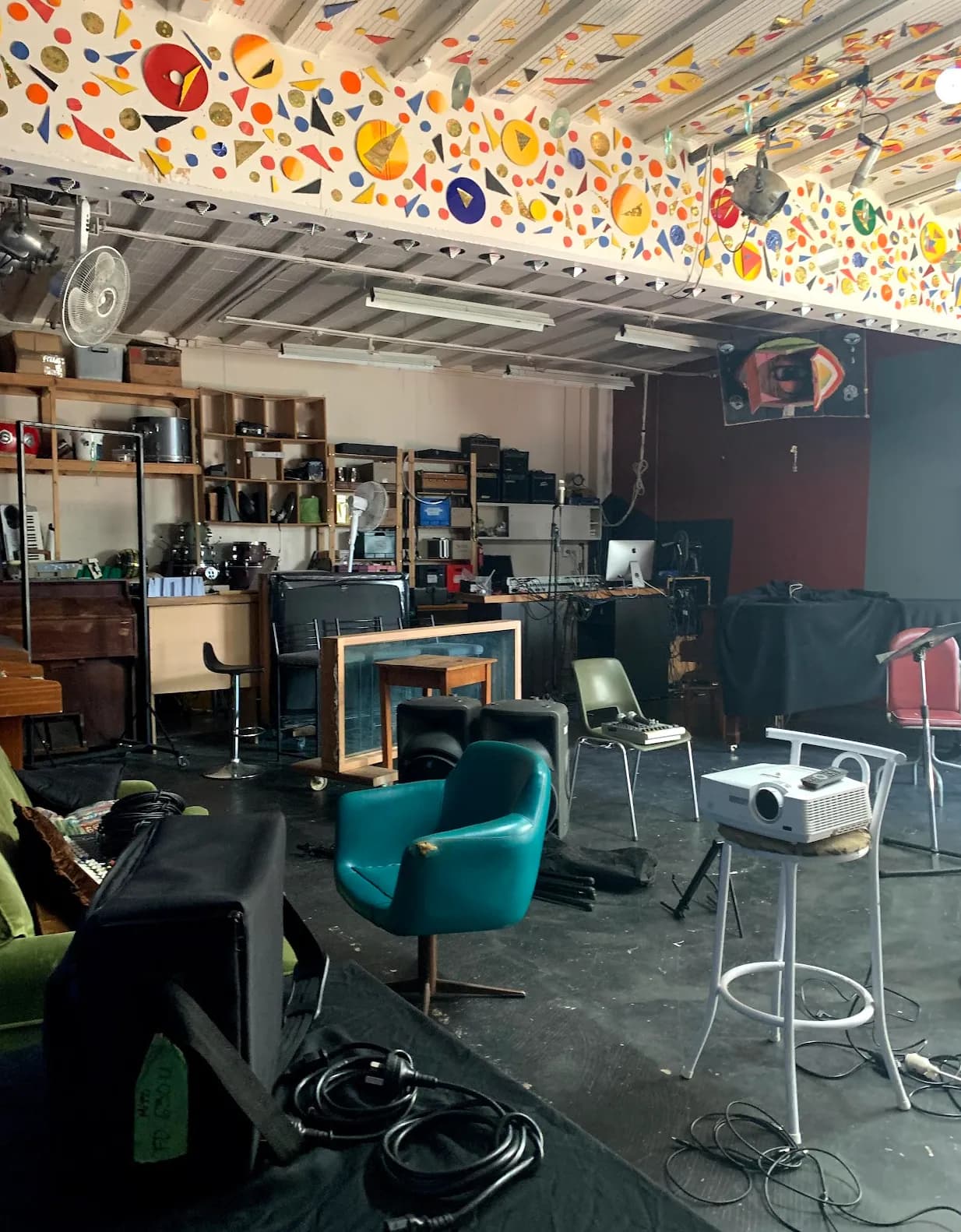
K Road has hosted Auckland's music underground for decades. The venues change names and the owners change but the energy persists: small rooms, loud speakers, and a crowd that came specifically to be there.
The photos from 2014 and the photos from last month look different. The light is the same.
THE UNDERGROUND
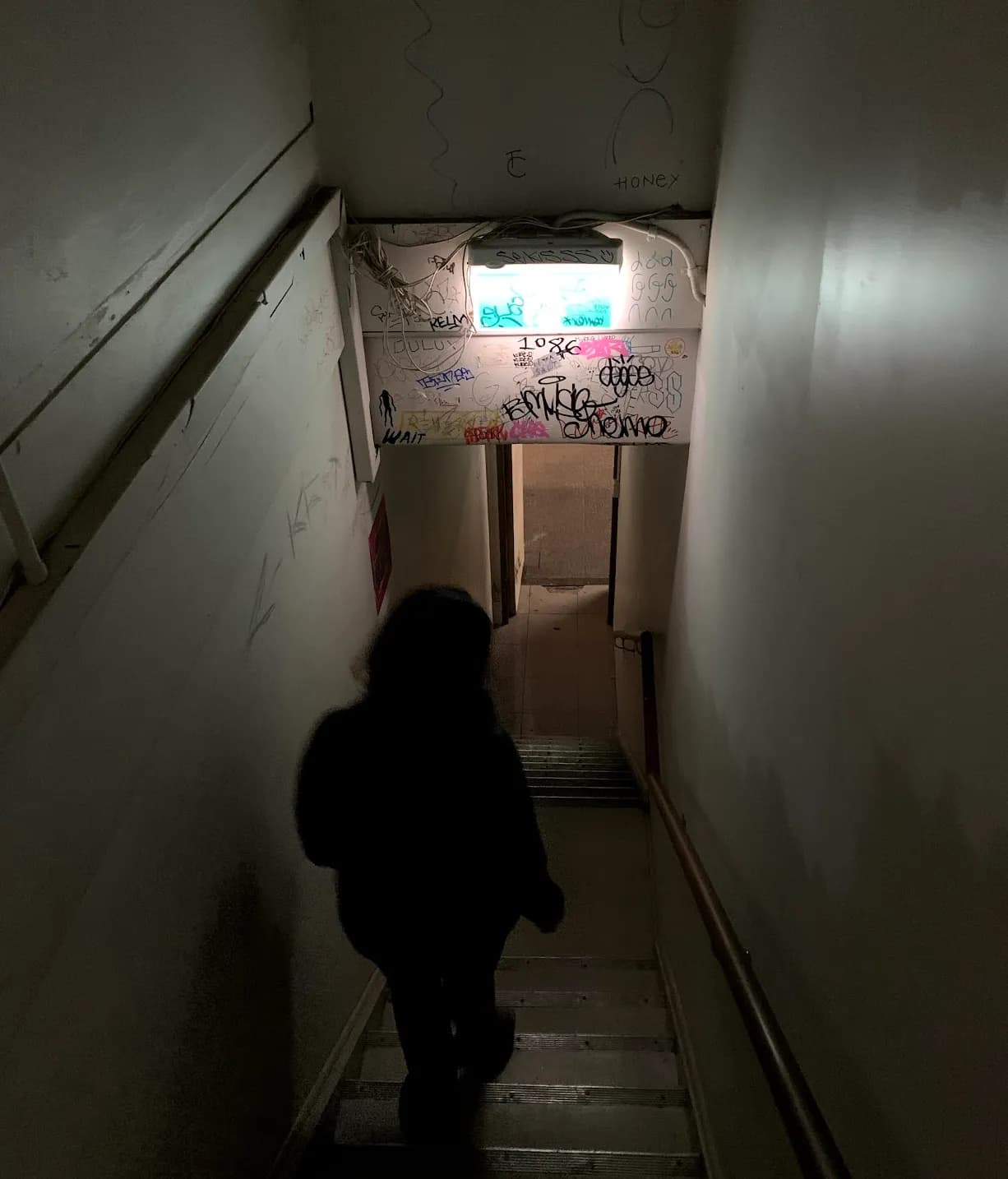
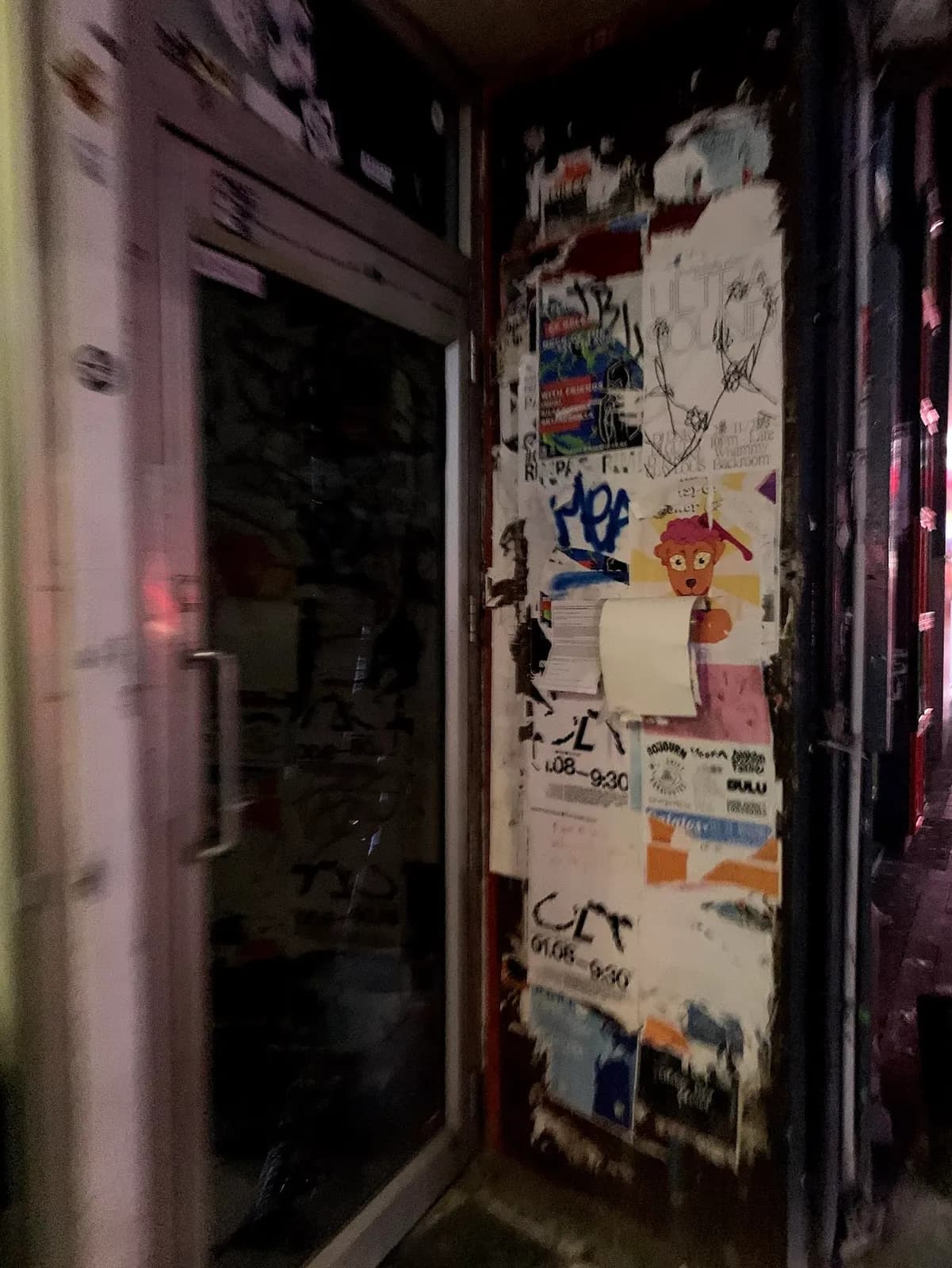
Some doors on K Road are not trying to attract you. That is the invitation.
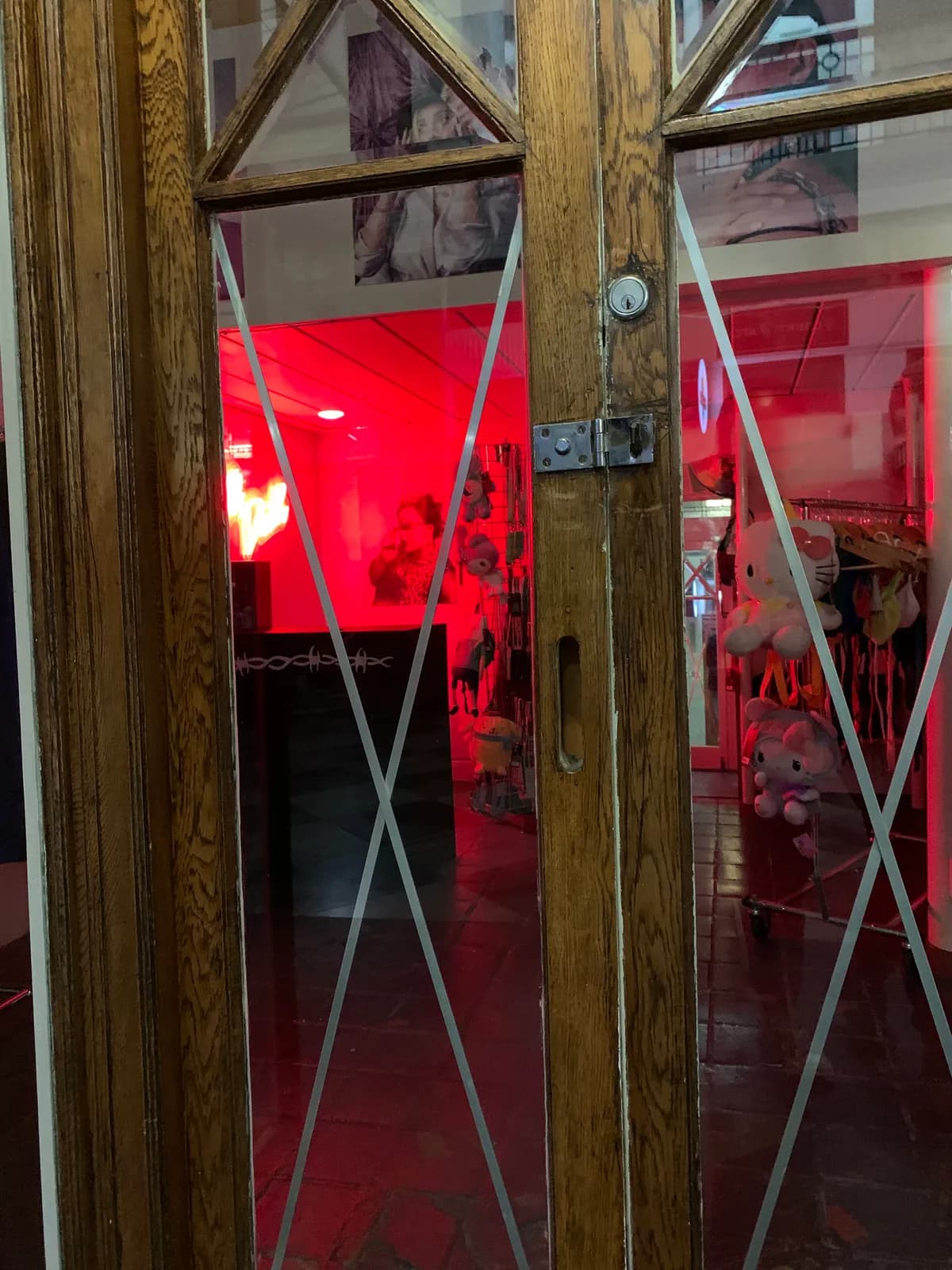
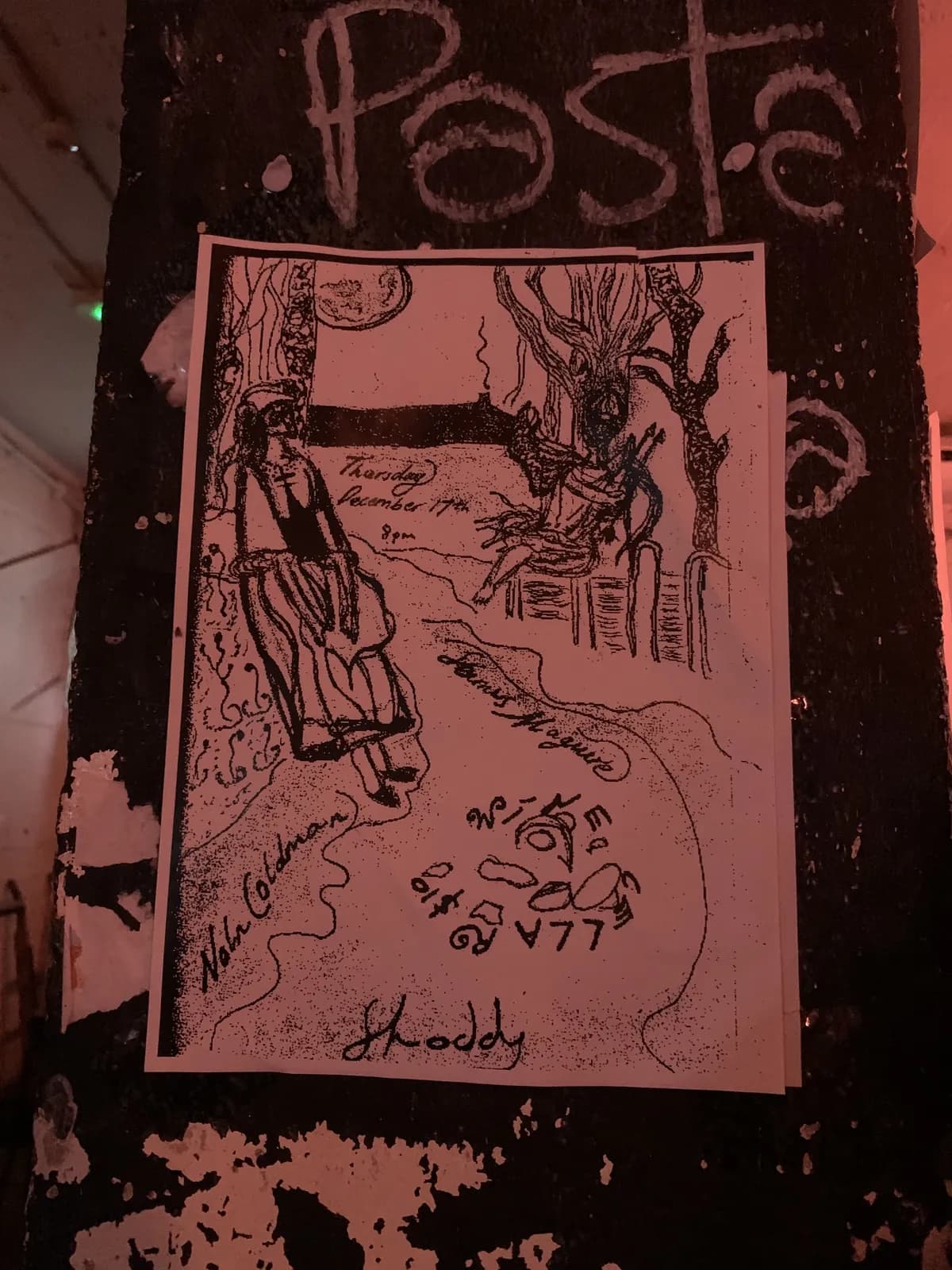
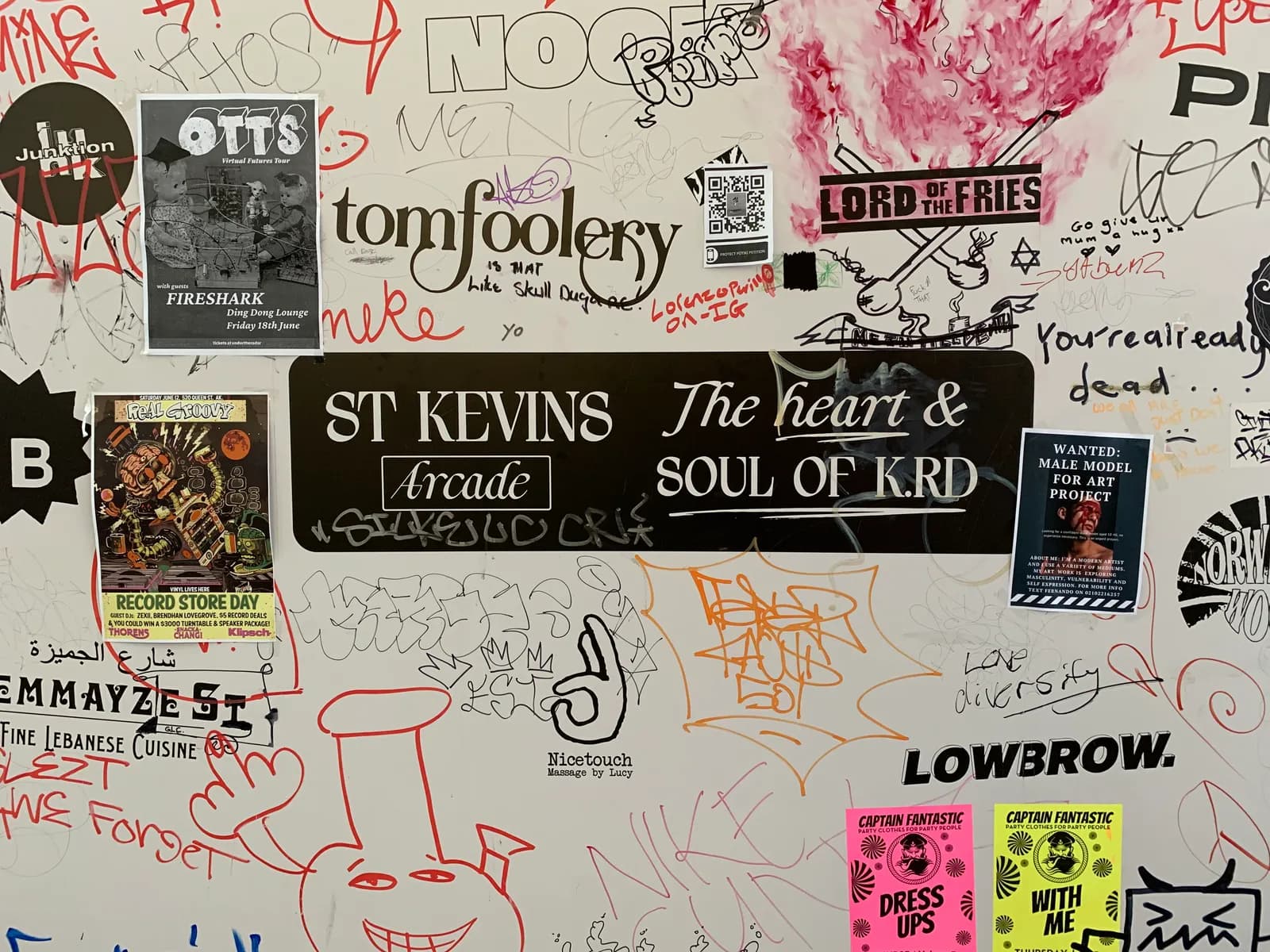
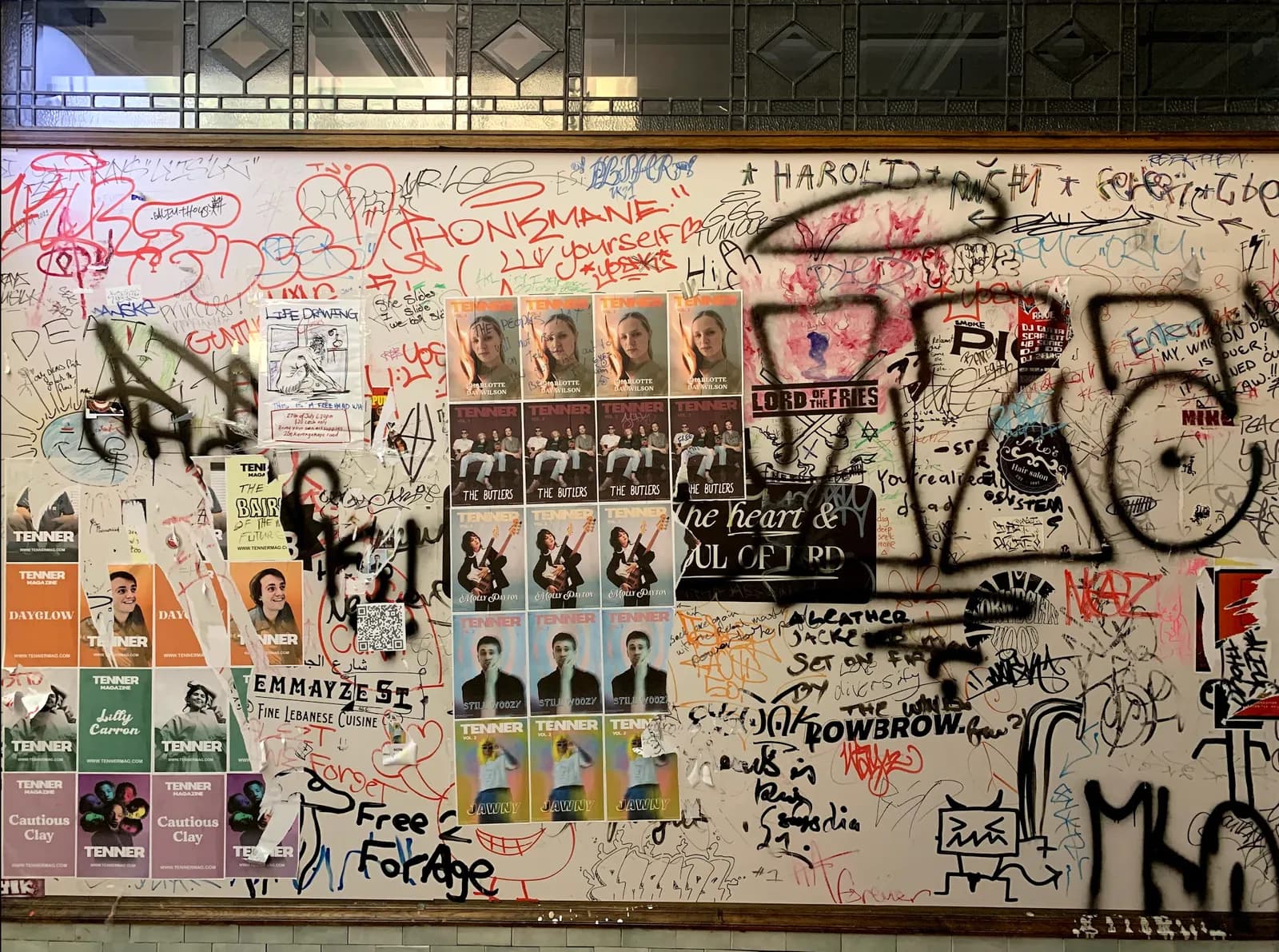
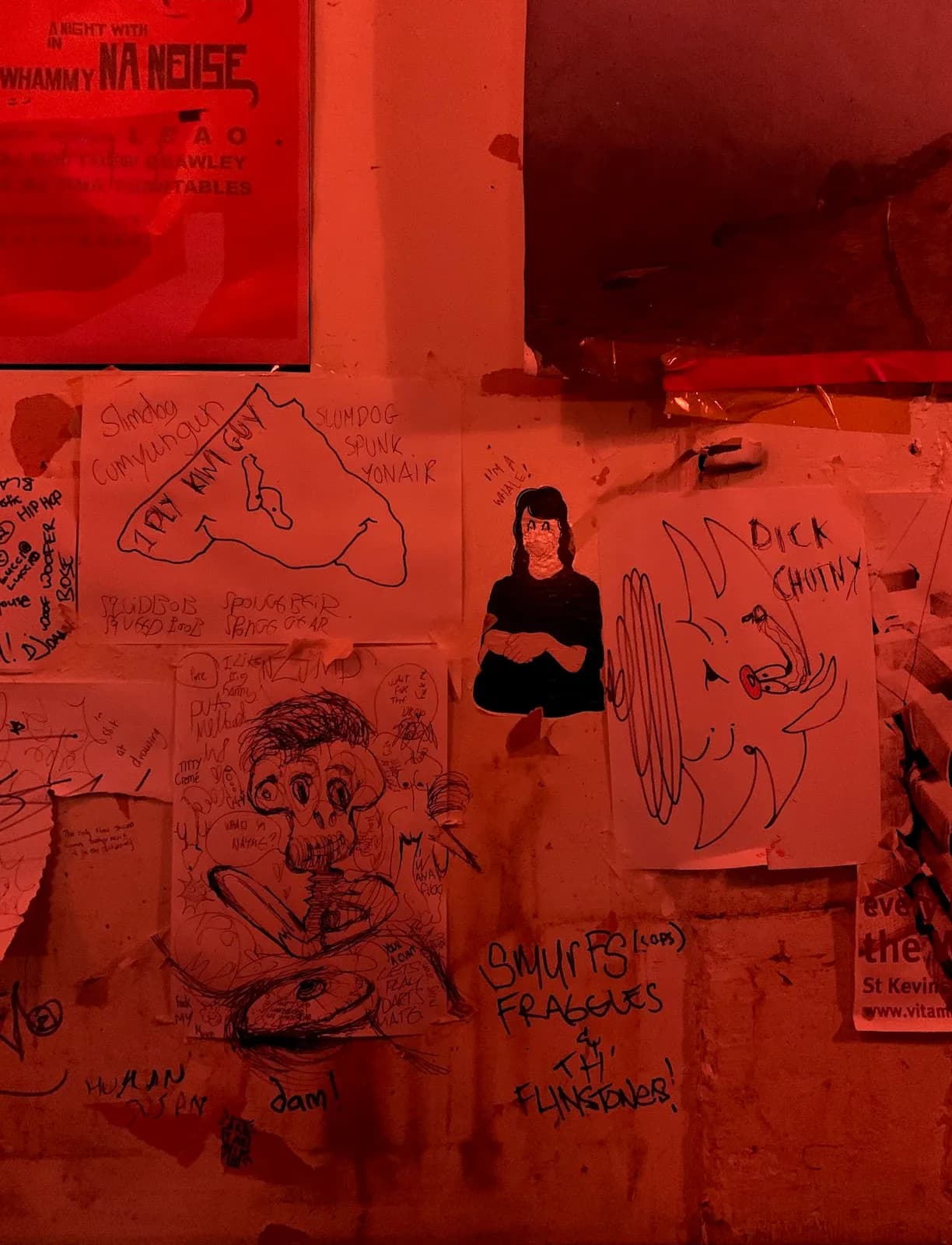
The flyers are the archive. Wheat-pasted over each other, layer by layer, each gig a sediment. Read them like geology.
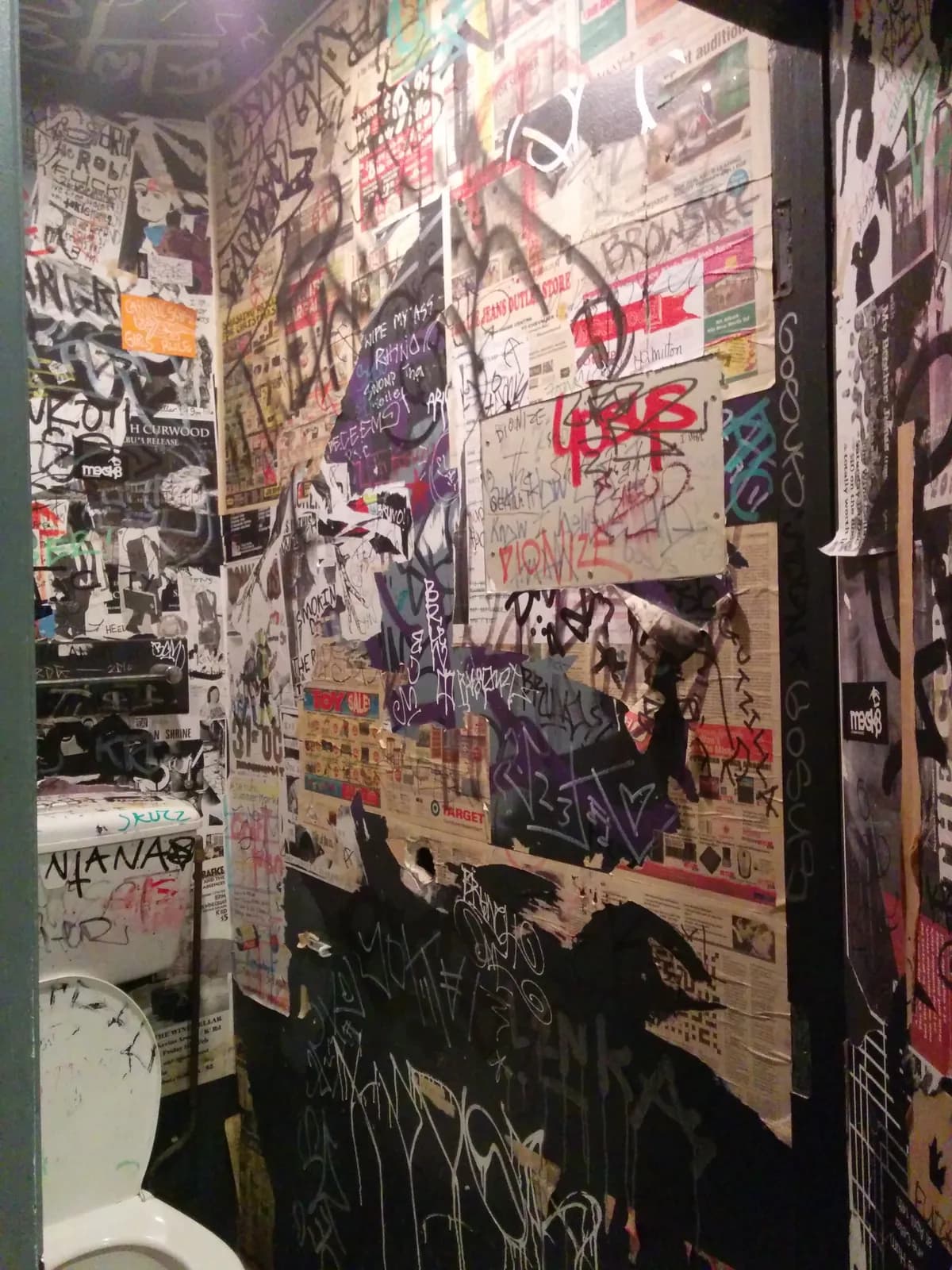
THE ART
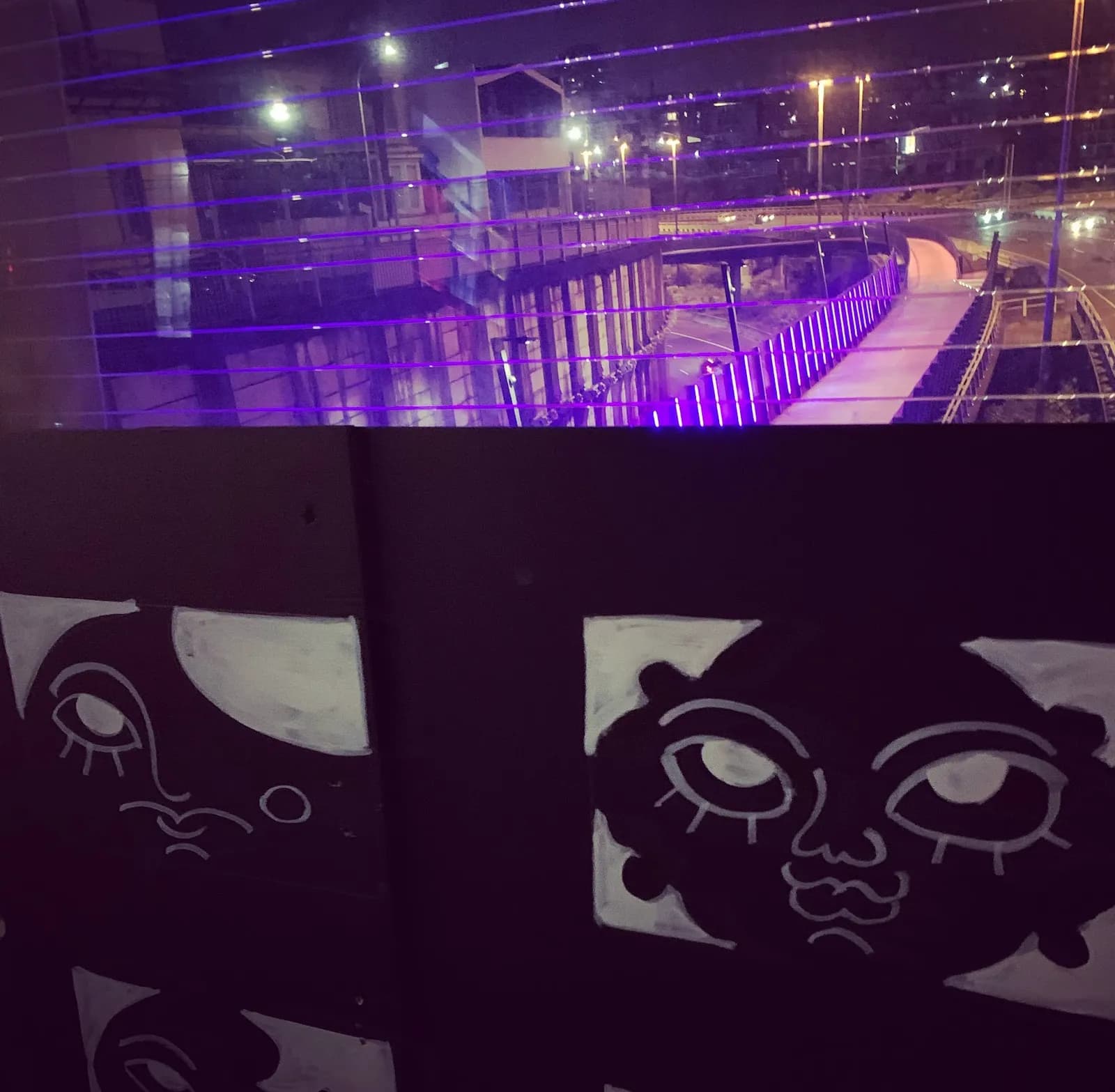
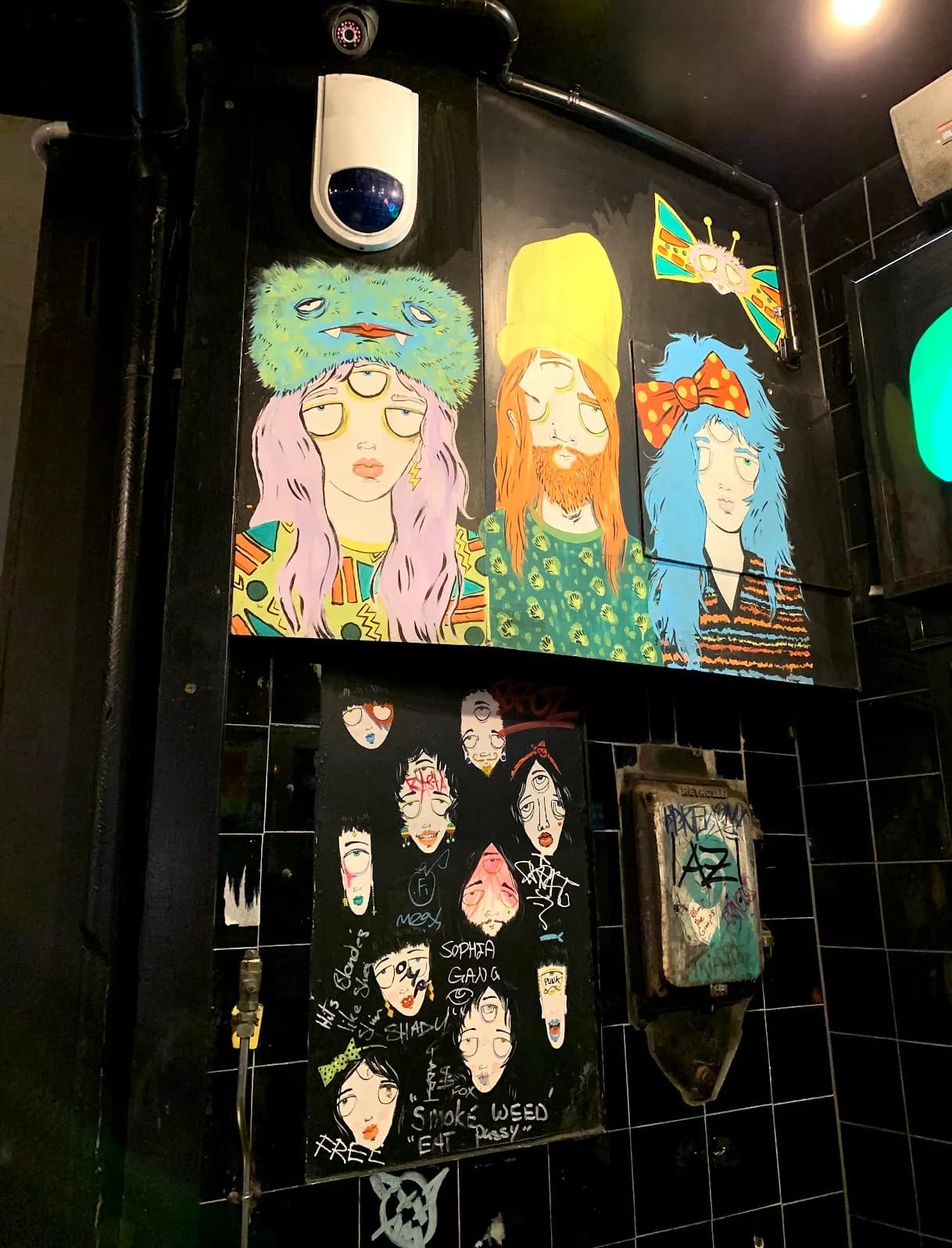
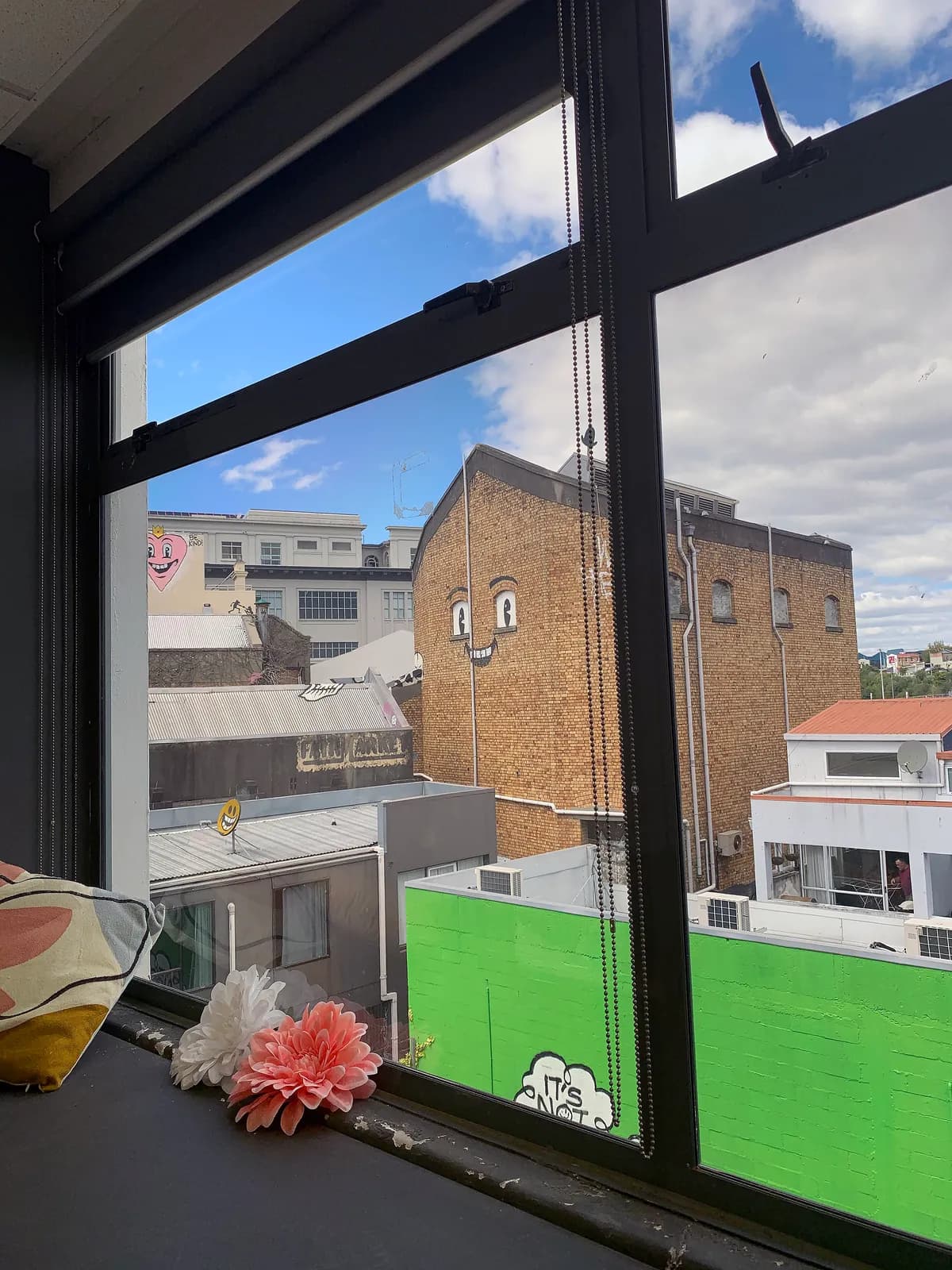
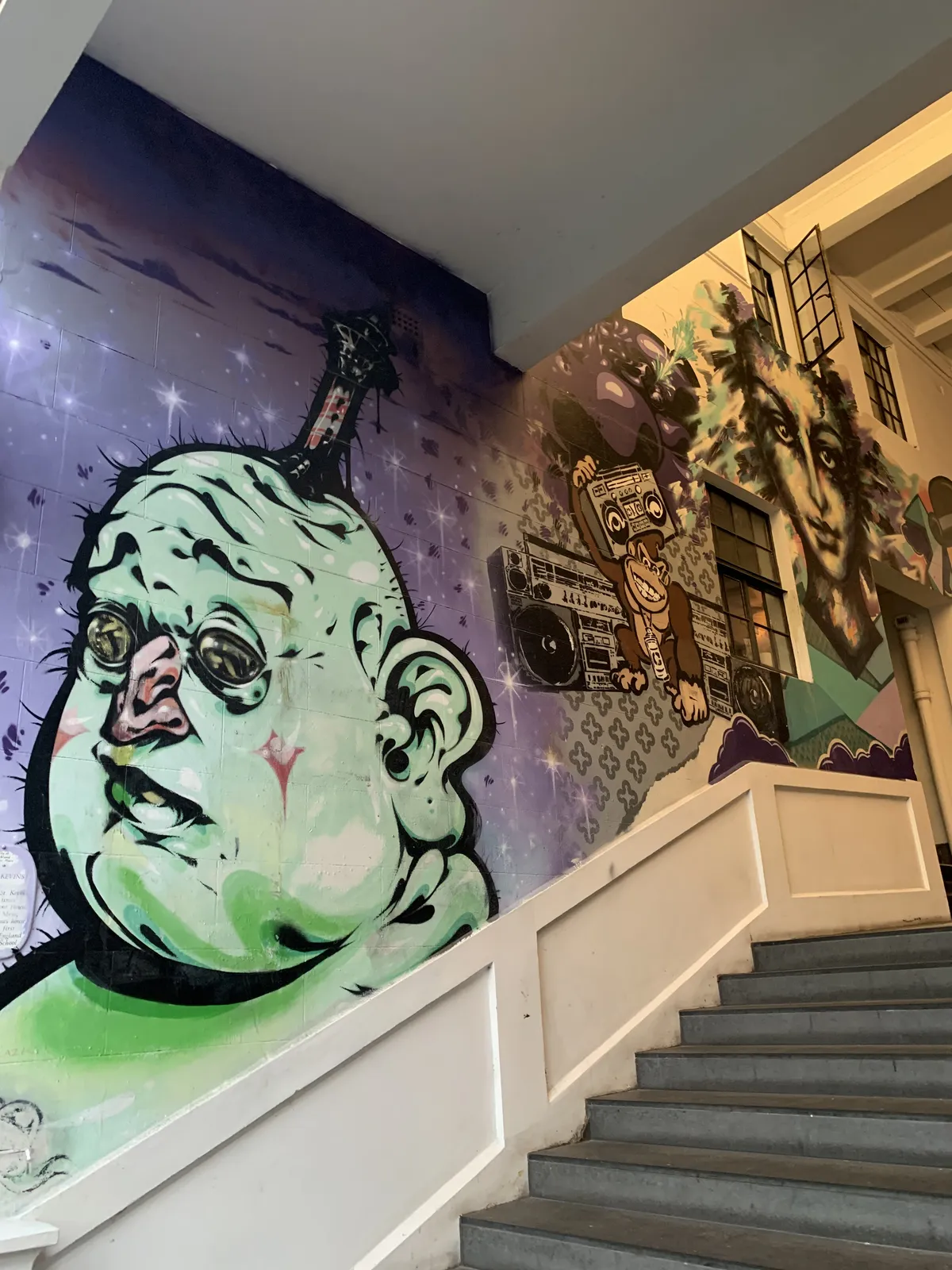
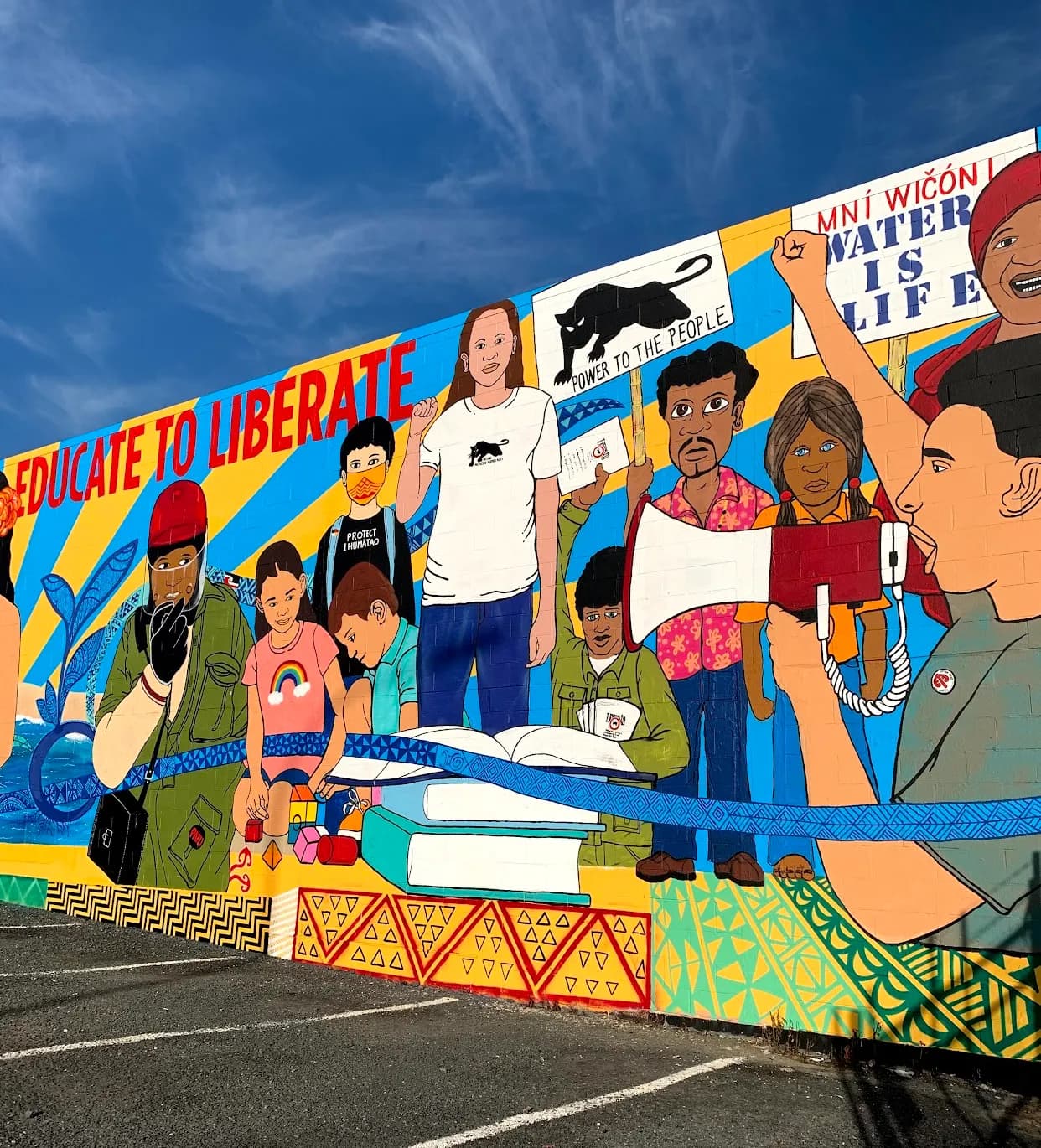
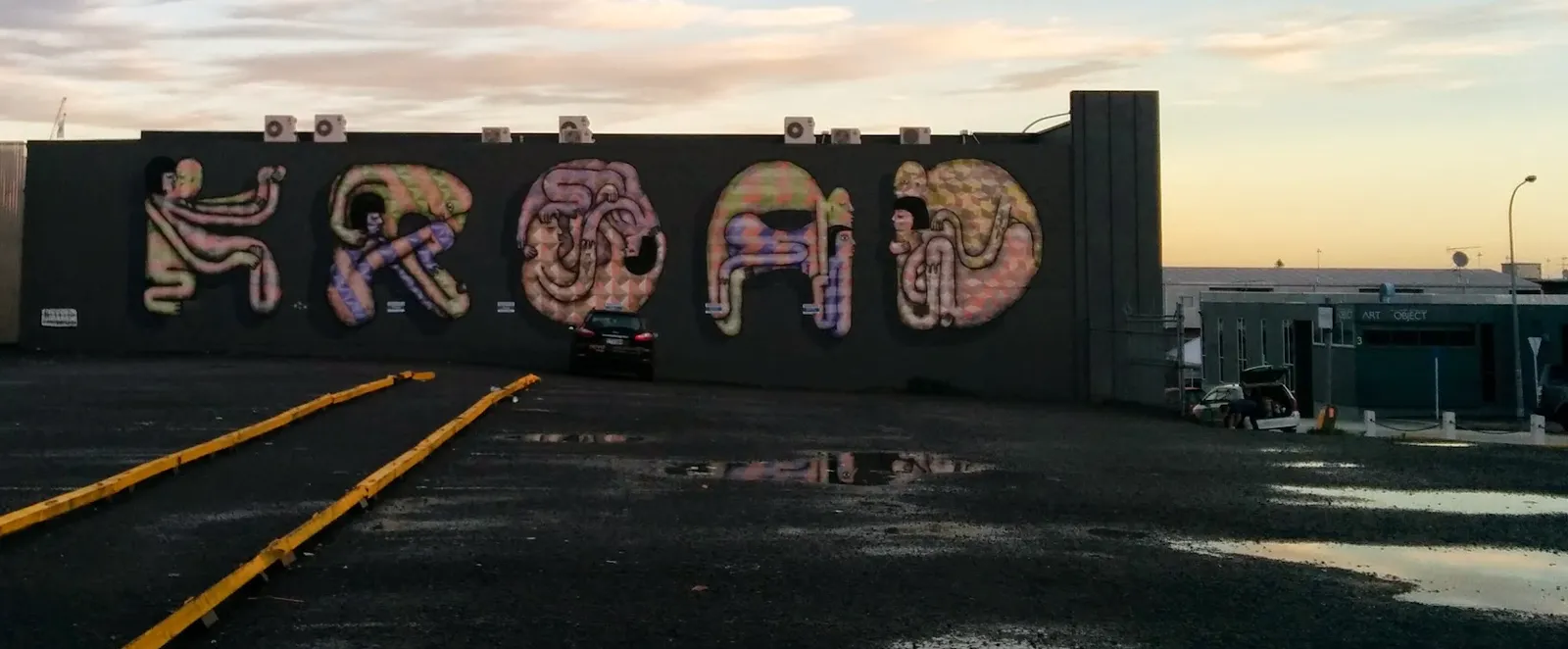
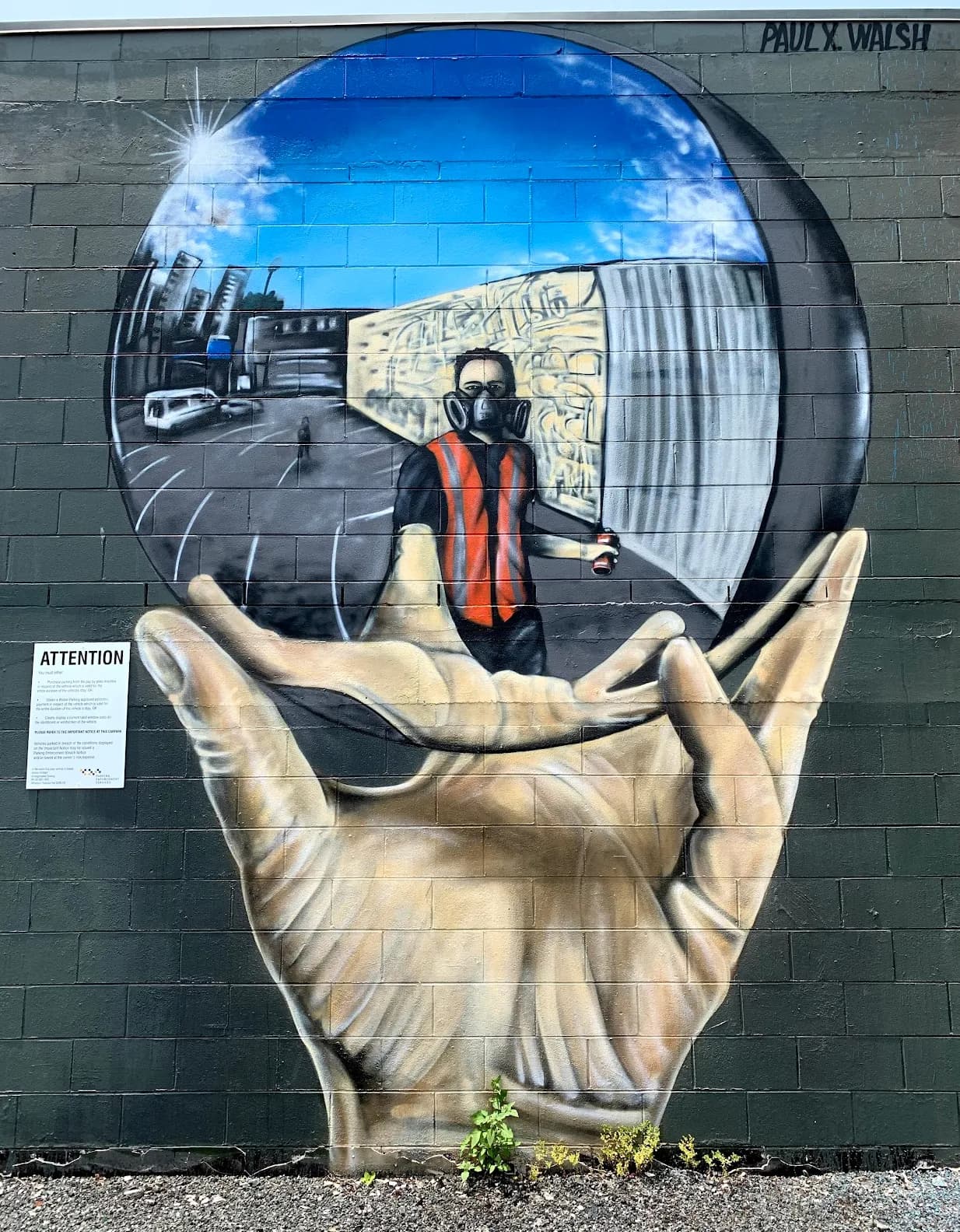
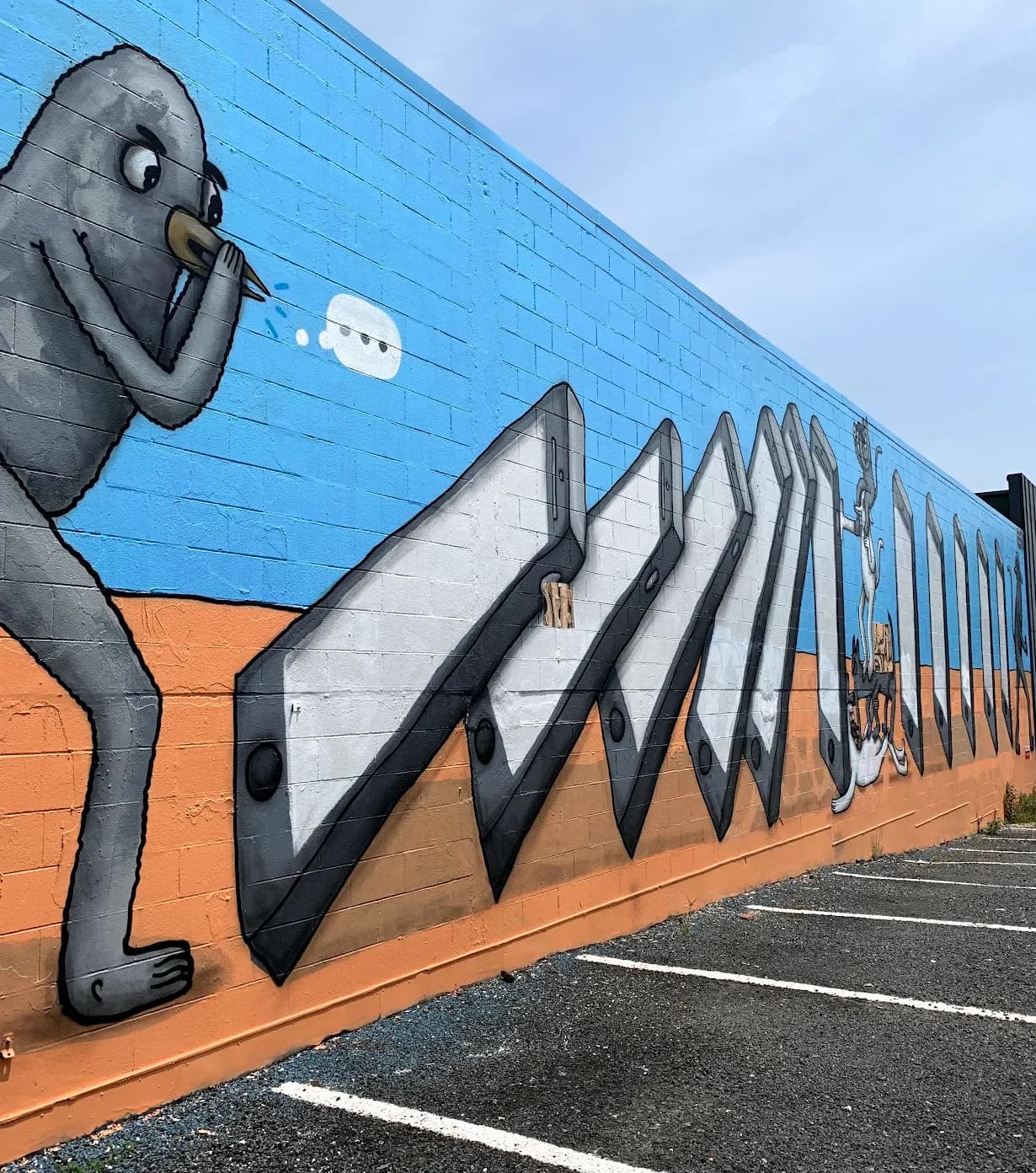
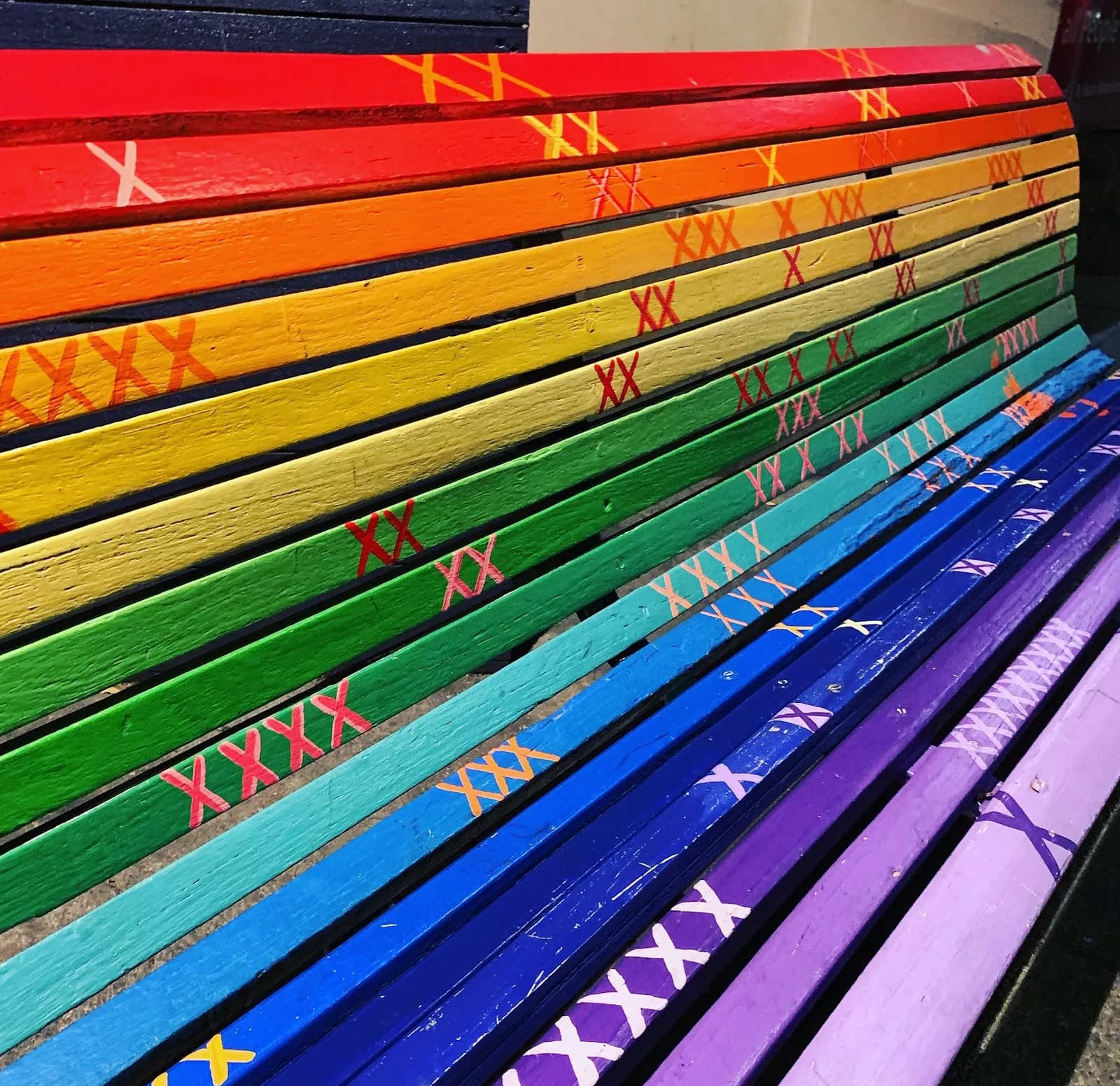
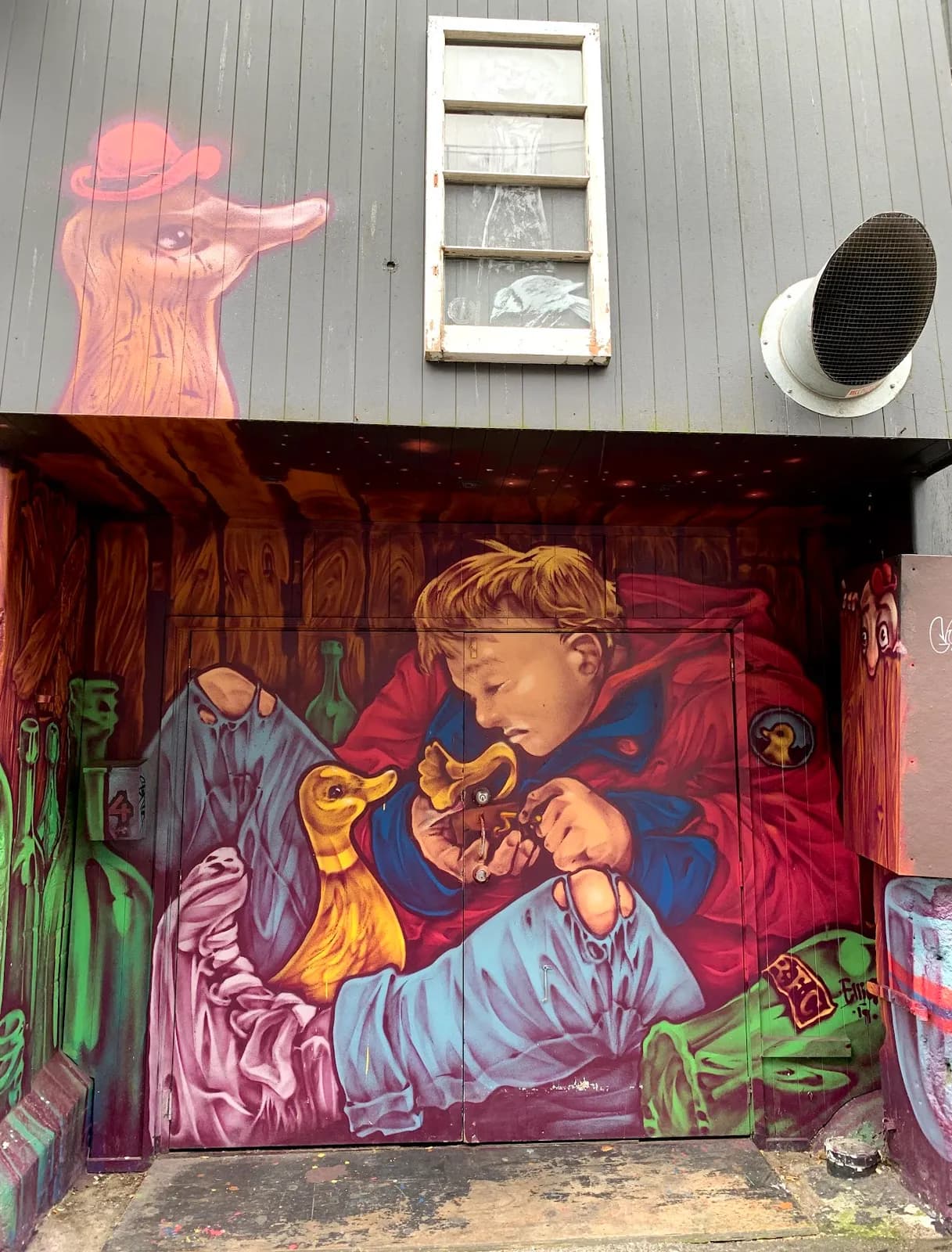
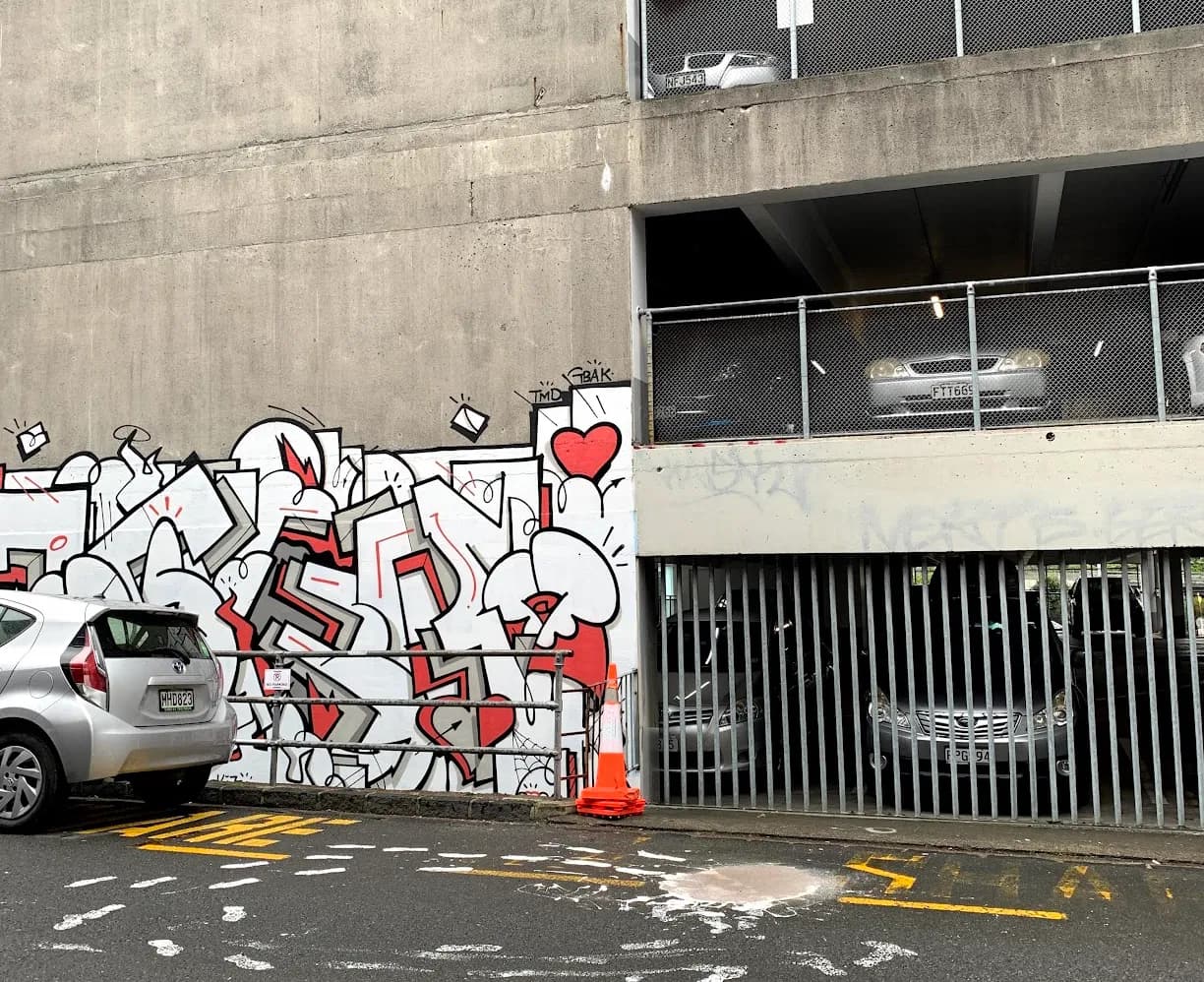
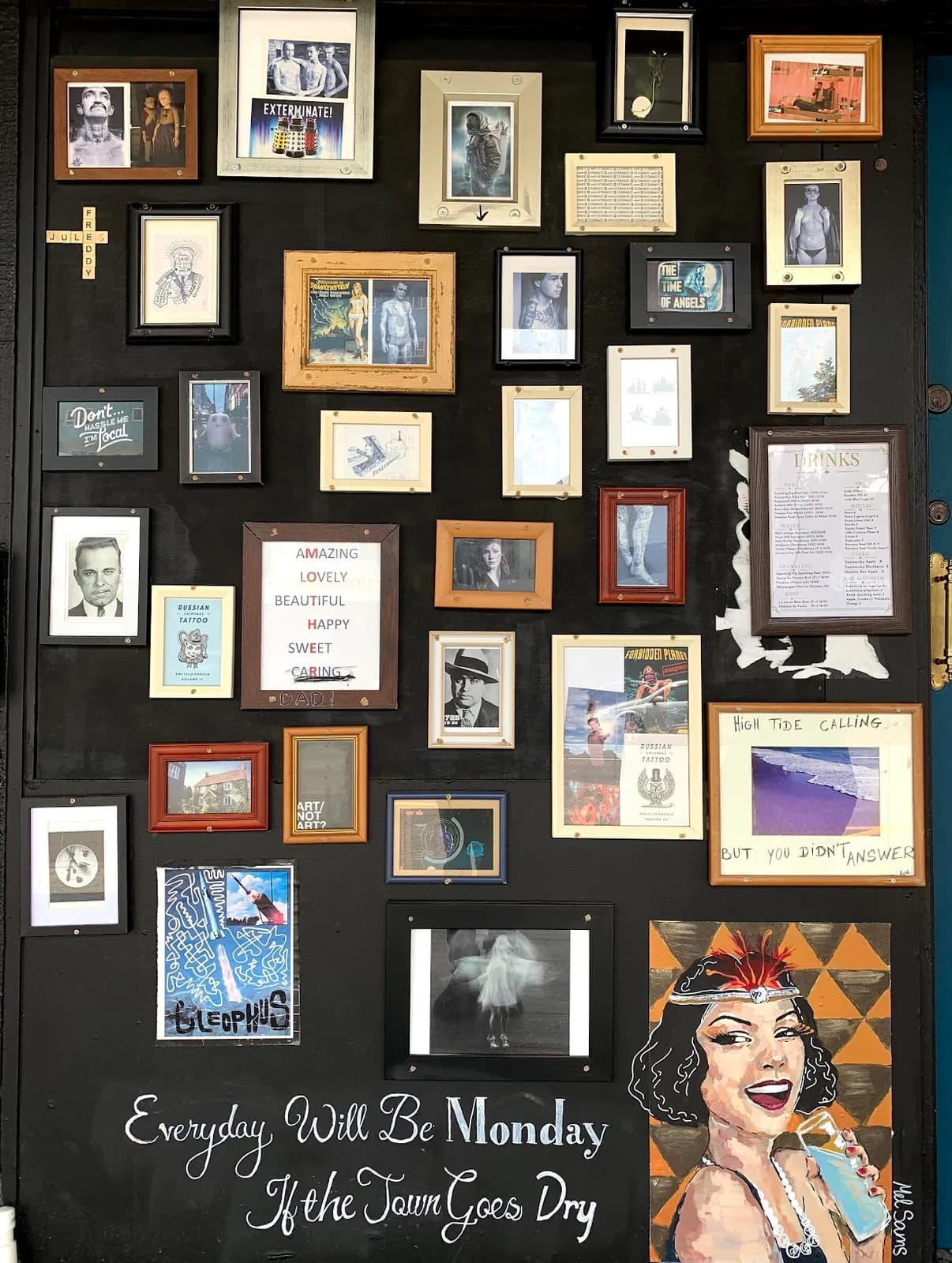
The galleries keep moving. The murals stay. K Road's walls are a running argument between whoever owns the surface and whoever needs to say something.
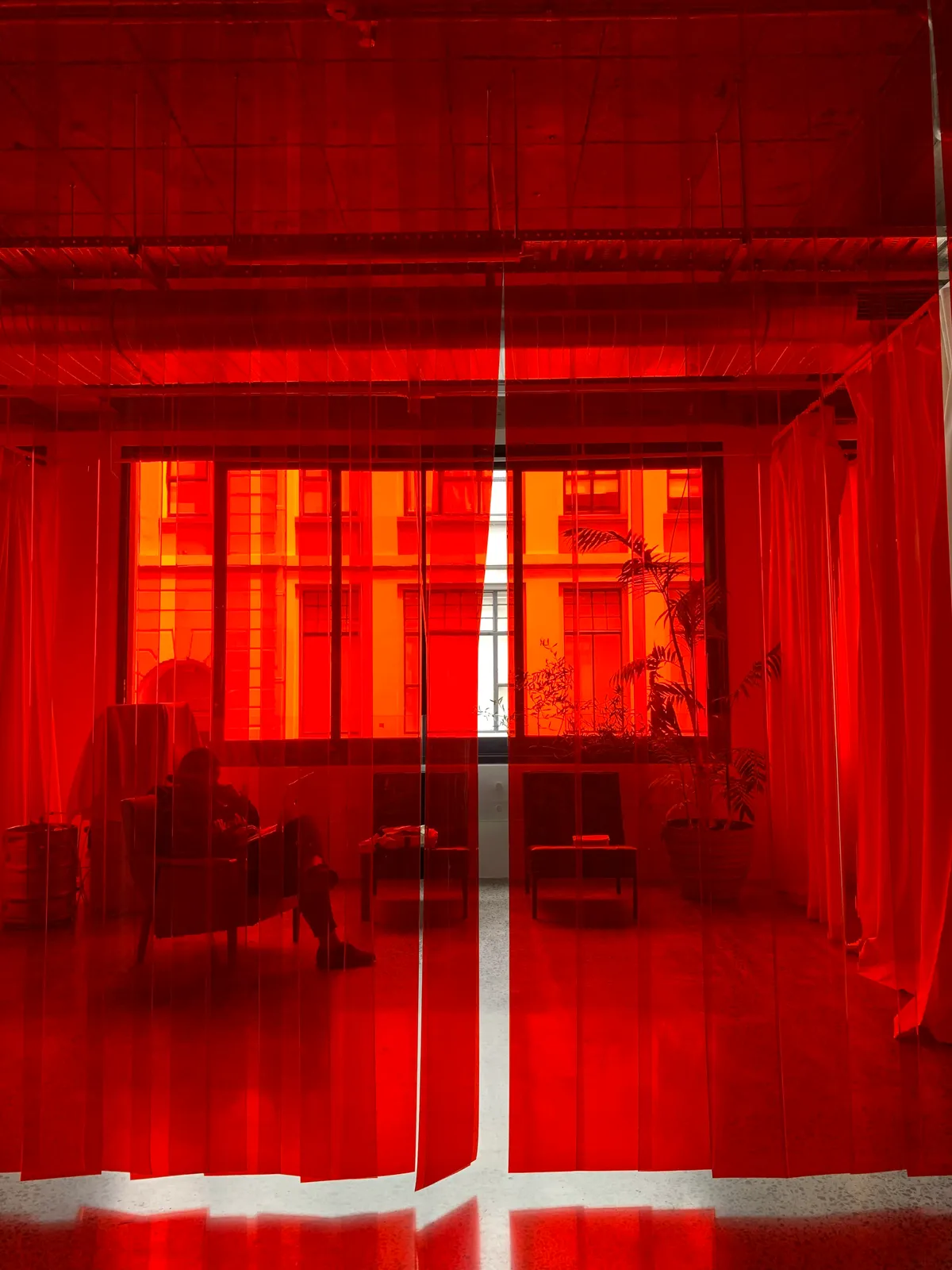
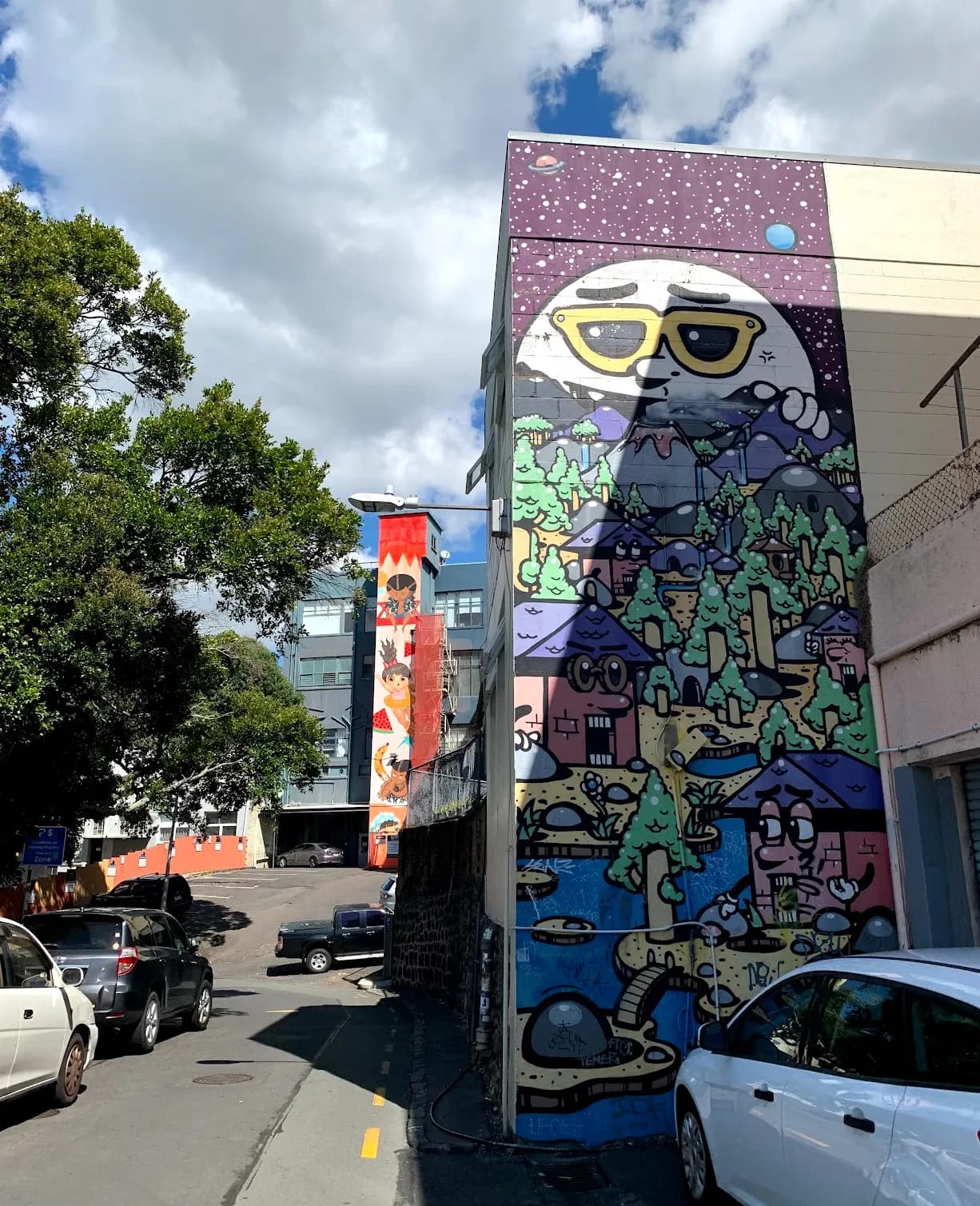
The walls on K Road have always been public. The murals arrive without permission and stay without apology. Some have been here longer than the shops beneath them.
WALK IT
YOURSELF.
Karangahape RoadTāmaki Makaurau, Auckland 1010
Aotearoa New ZealandAll experiments
Photos by Diego Sieg and Erika Dias